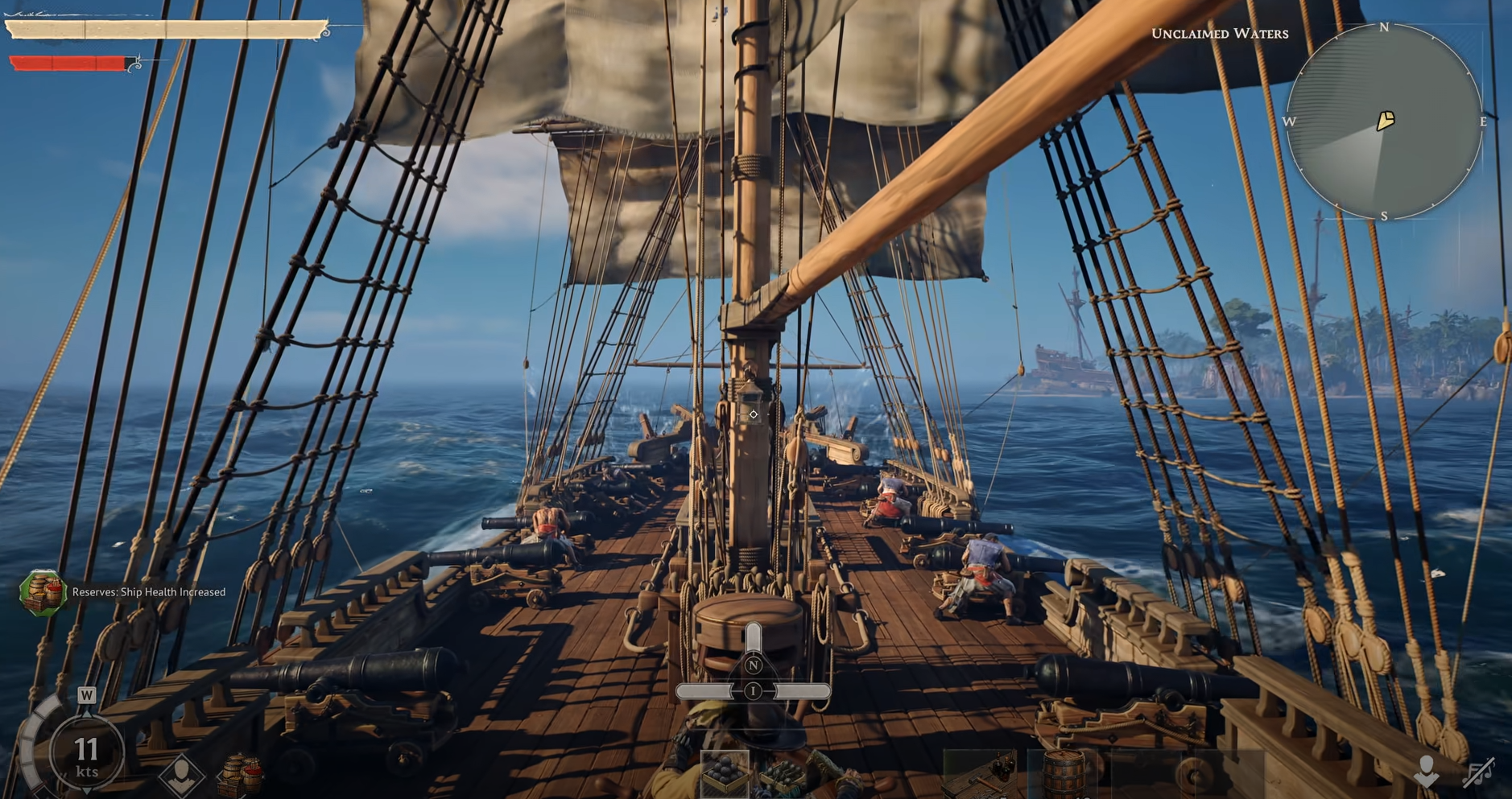
Windrose Tips and Tricks: Survive Early and Progress Faster
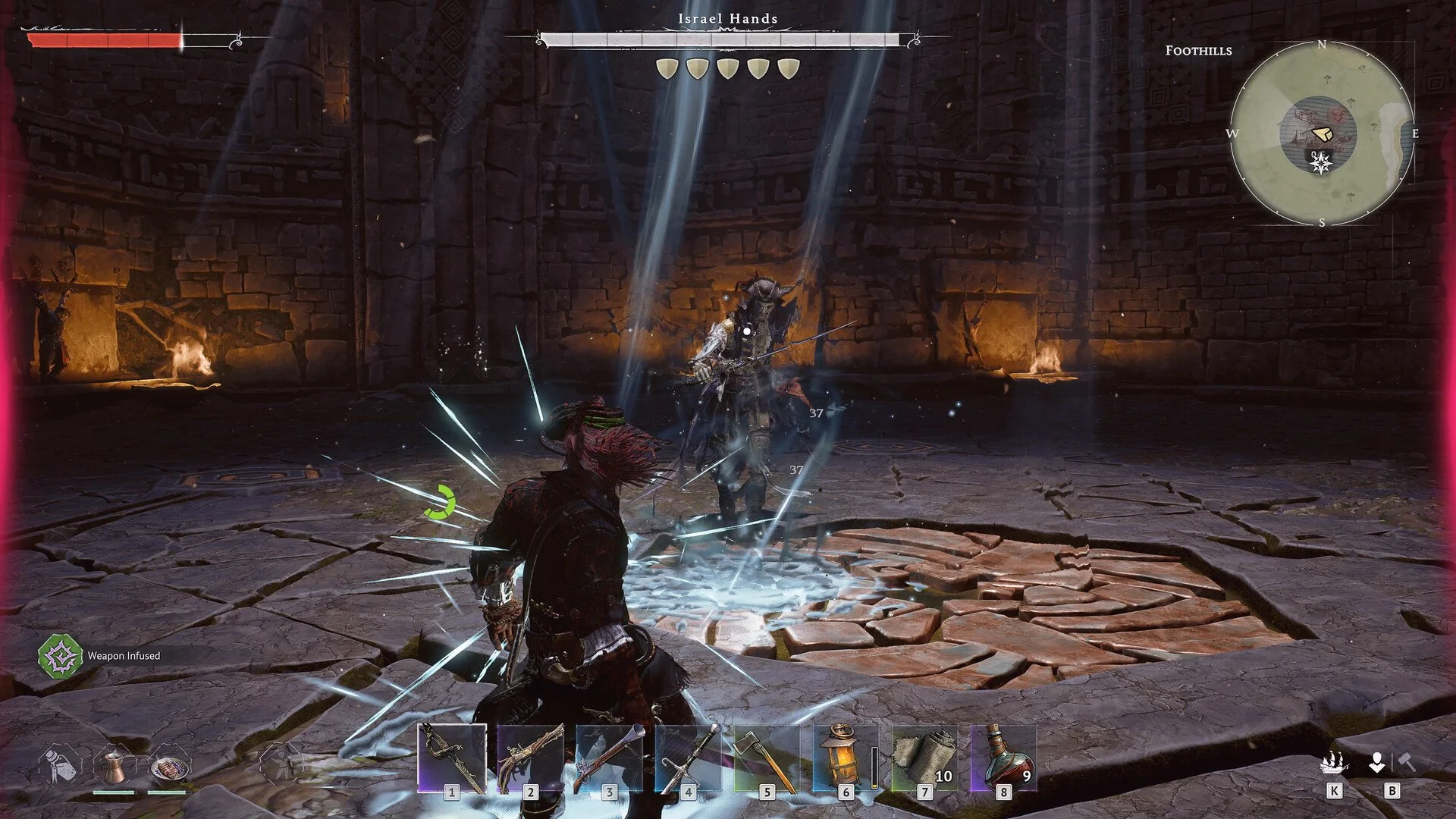
Windrose looks like a standard survival game at first, but it quietly pushes you into a very different rhythm. Progress is not tied to fighting everything you see. It comes from how efficiently you explore, build on the fly, and stay out in the world without resetting back to base.
Best Windrose Tips To Progress Faster
The fastest way to progress in Windrose is by fully clearing points of interest, carrying building materials at all times, and using camps and food buffs to stay out longer instead of returning to base.
Once this clicks, the entire game speeds up. If you just roam and fight enemies, progress feels slow and disconnected. The moment you start treating each island like a complete loop to clear and move on from, XP and resources come in consistently.
The biggest shift is realizing Windrose is built around momentum. Breaking that momentum by constantly returning to base is what slows most players down.
How The Game Actually Wants You To Play
The game never says this outright, but it becomes obvious after a few runs. You are meant to land somewhere, handle everything there, then leave fully cleared.
What you notice quickly is that clearing a point of interest only counts if you empty everything. Leaving even a single item behind stops it from completing, which means no XP credit for that location.
That one detail alone is why some players feel stuck while others level smoothly. It is not about difficulty, it is about finishing what you start before moving on.
Carry Materials Or Accept Constant Backtracking
This is one of those habits that feels small until you stop doing it.
When you have plant fiber, wood, and stone on you, every situation stays under control. You can place torches in caves, build stairs to reach resources, drop a campfire to heal, or throw down a tent before a risky fight.
When you do not have them, the same situations force you to leave. That is where time gets wasted. It is not the travel itself, it is breaking your flow over and over.
Camps Turn Hard Areas Into Manageable Runs
Most people treat tents like emergency respawns. That works, but it is not where they shine.
The real value shows up when you start placing camps near dangerous areas on purpose. You push into a fight, take damage, fall back, heal at a campfire, then go again. Over time, that turns difficult zones into something you chip away at instead of brute forcing.
Campfires also heal you over time, which means you are not burning through bandages constantly.
Once you lean into that, your runs last longer and feel a lot more controlled.
Food Buffs Change How Combat Feels
Food is easy to overlook early, but it is doing more than just keeping you alive.
You can stack two food buffs at once, and those buffs directly change how fights play out. One might boost survivability while the other helps with movement or damage.
If you go into fights without food, enemies feel aggressive and punishing. With buffs active, the same encounters feel manageable. It is one of those systems that quietly shifts the entire difficulty curve.
Stop Grinding Enemies, It Slows You Down
This is the biggest trap early on. Windrose does not reward killing enemies with meaningful XP. Progress comes from exploration and completing points of interest.
If you spend time fighting everything you see, you burn resources without moving forward. Once you switch to clearing locations instead of grinding mobs, leveling starts to feel natural instead of forced.
Combat Feels Better When You Stop Forcing Fights
The combat system pushes you to play slower than you might expect.
If you run out of stamina or take heavy damage, backing off is not failure. It is part of the loop. Enemies keep their health as long as you do not disengage too far, which means you can reset your position and come back in.
That changes how fights feel. Instead of all or nothing, it becomes a series of controlled pushes.
Your Ship Is Safer Storage Than Your Inventory
This is one of those things you do not think about until you lose items.
If your inventory is full and you are carrying everything on your character, dying becomes a problem. Moving valuable items into your ship changes that risk completely.
If something goes wrong at sea, repairing your ship brings those stored items back with it.
Once you start using your ship this way, exploration feels a lot less punishing.
Be Careful With Early Upgrades
It is tempting to upgrade everything early, but that comes back to bite you.
The disassembly system only gives back base materials, not what you spent upgrading gear.
What you notice later is that resources feel tight if you invested too heavily too soon. Saving upgrades for gear you plan to keep makes progression smoother in the long run.
Final Blurb
Windrose flows best when you stay in motion. The moment you stop treating it like a return to base survival game and start treating it like a continuous exploration loop, everything lines up.
You land, clear, build what you need, and move on. The longer you stay out there doing that, the more the game rewards you without ever needing to grind.