The Blood of Dawnwalker Best Start Guide

The best start in The Blood of Dawnwalker is not about rushing the main story. I would use the Prologue to squeeze as much value as possible out of its limited time, then spend the first part of the open world improving movement, revealing the map, raising Corruption, and getting stronger before committing heavily to major questlines.
The key thing to understand is that simply exploring does not automatically burn through the 30-day limit. Time is spent on specific actions, so I would scout first, find out what is available, and then decide where those time segments are actually worth using.
Jump To Section:
Best Start Route
Best Prologue Choices
What to Do After the Prologue
Best Early Skills
Get Durandal Early
What Not to Do Early
The Best Start in The Blood of Dawnwalker
If you just want the route I would follow, start by taking advantage of the free objectives available during the Prologue before spending its limited time segments.
Then make Esme's medicine correctly, train with Pieter for the Charge Manual, and use the remaining Prologue time on quests that actually give worthwhile XP or progression.
Once the full map opens, my priorities change completely.
Unlock Mercurial Fervour and Shapeshift, start feeding to raise Corruption, activate Shrines as you encounter them, climb scouting towers at night, pick up easy XP from enemies and points of interest, and work toward a strong early weapon such as Durandal before committing heavily to major questlines.
That gives you something I think is more valuable than simply completing whatever quest marker happens to be closest: information.
You'll know where activities are, what enemies you're dealing with, which regions are currently above your level, and where you actually want to spend your early progression.
Best Prologue Choices and Route
The Prologue gives you eight time segments before the Blood Mass, and you cannot fit every available activity into that window.
I would therefore prioritize anything that either costs nothing or gives you a reward that continues to matter after the Prologue ends.
Enter Not, If a Tree Falls in a Forest, and Dead Drop can all be completed without consuming a time segment, which effectively makes them free early XP and loot.
I would handle those before willingly spending time elsewhere.
When you visit Anca, you can stay for the additional Latin lesson, but it costs one time segment for 100 XP and isn't required to keep progressing her relationship later.
If I'm optimizing the beginning rather than roleplaying it, I skip the lesson.
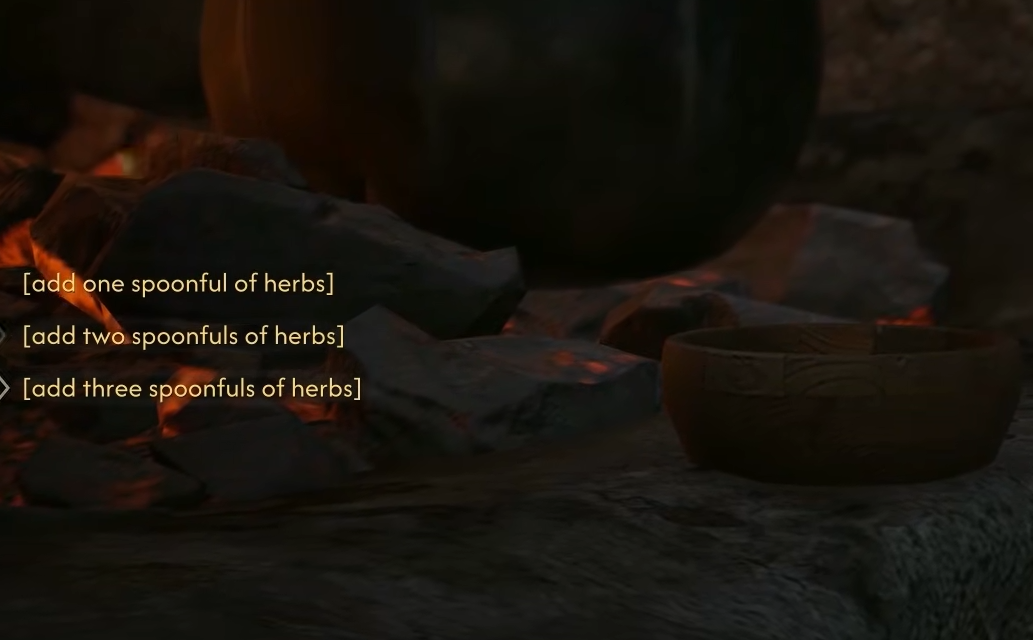
When you return home, make Esme's medicine correctly using hot water and three spoonfuls of herbs. If you've forgotten the recipe, my Blood of Dawnwalker spoonfuls of herbs guide has the exact answer.
After that, accept Pieter's offer to train.
Training costs time, but you also receive a Charge Manual that unlocks another ability. That's a much better early trade than spending the same amount purely for a small XP gain.
Which Prologue Quests Should You Do?
After the free objectives, medicine, and Pieter training, Blasphemy and Deep Down are strong uses of your remaining Prologue.
Deep Down also leads into the Ancient Ruins of Laslea, giving you access to additional loot while completing the quest.
If you still have room and are primarily chasing experience, Disturbed, Live Bait, and Someone Needs a Lesson can each award 250 XP, although some optional actions inside them can consume additional time.
I wouldn't automatically do every optional interaction just because it appears. If you're trying to create the strongest mechanical start possible, prioritize the parts that actually improve Coen or give you worthwhile rewards.
What to Do First After the Prologue
Once the open world becomes available, I would spend some time simply discovering what Vale Sangora has to offer before committing to a long quest chain.
Run through new regions, activate Shrines, locate activities, look for enemies you can realistically beat, and identify what you might want to do next.
This is one area where Dawnwalker rewards a slightly different open-world mindset.
Instead of immediately clearing the first quest marker you see, uncover several possibilities and then choose the one that gives you the best reward, progression, or story payoff.
Unlock Mercurial Fervour and Shapeshift Early
My first actual ability priority would be movement.
Mercurial Fervour gives Coen access to Haste while human, while Shapeshift provides the corresponding Vampiric movement option and lets him travel as a wolf.
Both only require one Skill Point to initially unlock and do not consume time.
That combination makes them ridiculously easy to recommend.
A damage upgrade helps whenever you enter combat. Faster movement helps practically every time you cross the map.
And because Coen has separate human and vampire gameplay, getting both means you aren't suddenly back to trudging around normally whenever the day/night cycle changes.
I would unlock these before spending heavily on specialized combat abilities.
Start Raising Corruption Immediately
Vampirism progression works differently from Swordmastery and Witchcraft.
Swordmastery and Witchcraft frequently require Manuals before new skills become available, while Vampirism abilities can be locked behind Corruption levels.
Corruption increases when Coen drinks blood, so I would start using Voracious Bite early rather than treating feeding as something you only do when desperate for health.
Animals and hostile enemies provide convenient sources without requiring you to start draining random innocent NPCs.
You'll need blood for nighttime healing anyway, so building the habit early lets your Vampirism tree develop naturally rather than leaving several abilities locked later.
Increase Vampire Health Early
One early Vampirism upgrade I would seriously consider is Endless Hunger, which increases Coen's vampire health segments.
More vampire health is obviously useful in combat, but there's another reason I like it.
If Coen enters a conversation at night with extremely low blood health, Feral Hunger can cause him to lose control and feed on the person he's talking to.
Important NPCs are not automatically protected from that.
So increasing your vampire health and keeping yourself fed isn't just defensive preparation. It also reduces the chance that you accidentally turn a normal conversation into a much worse outcome.
Activate Shrines Whenever You Find Them
Shrines are worth grabbing whenever you're already nearby.
They act as fast-travel points and also let you spend Skill Points, store equipment, and pass time.
I would mainly treat them as infrastructure early on. Unlocking more Shrines makes the rest of Vale Sangora much easier to move through and gives you convenient places to handle skills and inventory later.
Climb Towers at Night Before Clearing Regions
Scouting towers are one of my favorite early priorities because reaching the top reveals surrounding points of interest on your map.
They need to be approached at night because Coen uses Vampiric traversal abilities such as Shadowstep and Planeshift to climb them.
Once you've unlocked your nighttime movement tools, I would start working towers into your exploration route rather than blindly searching each region from ground level.
That turns the tower into more than a collectible.
You're effectively revealing camps, landmarks, quests, and other activities before deciding what you actually want to tackle.
Use Shadowstep as More Than a Climbing Skill
Shadowstep is primarily presented as a Vampiric traversal ability, but it has another useful application: avoiding fall damage.
If you're dropping from somewhere high, using Shadowstep toward a suitable flat surface shortly before landing can prevent the damage.
I would absolutely get used to doing this early.
Dawnwalker's nighttime exploration encourages a lot of vertical movement, and being able to simply drop from some locations instead of carefully climbing all the way back down makes Shadowstep a surprisingly useful quality-of-life tool.
Get Durandal for a Strong Early Weapon
If you want an immediate equipment goal after the Prologue, Durandal is a strong one.
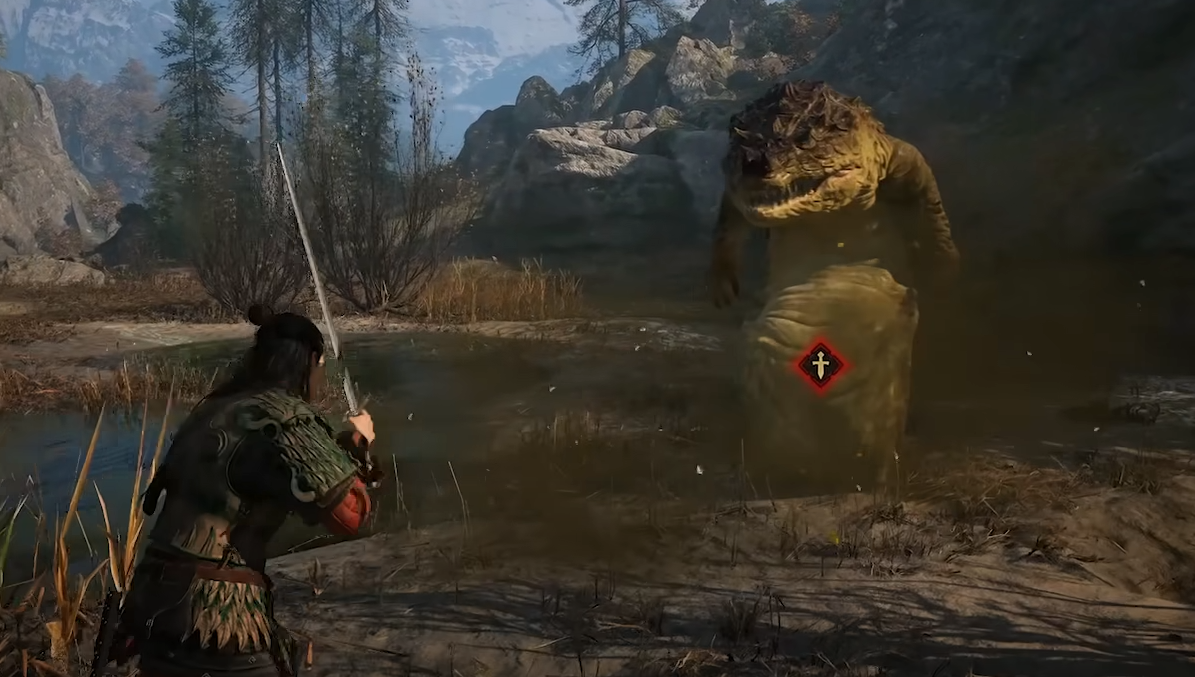
You can start The Cursed Chasm near the broken bridge in northwest Briar Sloughs. Drop into the ravine from the eastern side, deal with the ghosts inside, and you can obtain the legendary Durandal.
I like doing this relatively early because getting a legendary weapon gives Coen a meaningful power spike without needing a huge investment first.
It's also worth paying attention to weapon arts in general.
Blue, purple, and legendary orange weapons can have weapon arts that function essentially like additional combat abilities with their own cooldowns.
So when comparing weapons, I wouldn't look only at the basic damage number. A good weapon art can effectively expand your combat kit without consuming one of your normal ability slots.
Fight Enemies for Efficient Early XP
Enemies you find around the open world are one of the better ways to strengthen Coen between quests.
Wolves, boars, bears, soldiers, and other manageable enemies can provide XP without forcing you through another major storyline.
They can also give you loot and sources of blood, which means one encounter can improve several parts of your character at once.
I would take advantage of that before repeatedly throwing yourself into content marked well above your level.
Learn Directional Blocking Instead of Tanking Hits
Dawnwalker's combat rewards reading incoming attacks rather than trying to brute-force everything.
Directional blocks cost no stamina when successful, while attacks consume stamina. The game also gives you directional indicators to help identify where an attack is coming from.
On difficulties where the assistance is available, watch for the shield indicator changing color to help time Perfect Blocks.
I would spend the early game learning this properly rather than immediately relying on extra health to cover mistakes.
Once Perfect Blocks become consistent, perks and abilities that interact with them become significantly stronger, including Perfect Riposte and later Scarlet Shield.
Use Day and Night Gear Presets
Coen's abilities aren't the only thing that changes between day and night.
You can create different equipment setups through Equipment Preview, which means there isn't much reason to force one universal loadout to handle both forms.
I would set this up fairly early once you've accumulated enough gear for the distinction to matter.
Use daytime equipment and passive effects that complement Swordmastery or Witchcraft, then switch your nighttime setup toward whatever improves your Vampirism playstyle.
Dawnwalker already divides your character into two different combat identities, so your equipment might as well take advantage of that instead of fighting against it.
What I Would Not Do Early
I would not rush into every red-skull encounter simply because the game technically allows you to reach it.
Skull markers indicate enemies or regions that are above your current level, with darker red warnings representing an even larger gap.
You can absolutely wander into those areas, but there's not much advantage to repeatedly getting demolished when you have plenty of safer ways to gain XP first.
I also wouldn't spread Skill Points across every tree equally.
Grab universally useful tools first, then start specializing once you know how you actually like fighting. Swordmastery is particularly safe when you're unsure because it remains relevant during both human and vampire combat.
And I wouldn't upgrade things simply because they're available. Early Skill Points are more valuable when they're fixing an actual weakness in your build rather than filling branches for the sake of it.
My Recommended Blood of Dawnwalker Early Game Order
If you want the entire approach condensed into one route, I would do the free Prologue quests first, skip Anca's Latin lesson if you're optimizing, correctly prepare Esme's medicine, train with Pieter, and use the rest of the Prologue on high-value XP and quest rewards.
After the Prologue, unlock Mercurial Fervour and Shapeshift, begin raising Corruption, activate Shrines, climb towers at night, fight manageable enemies for XP, and look for Durandal or another strong weapon before spending heavily on major story objectives.
From there, start weakening Brencis' Court once Coen actually feels prepared rather than because the objective happens to be sitting in your journal.
That's what I think makes the strongest start in The Blood of Dawnwalker: not rushing, but making the early upgrades and discoveries that give you more control over everything that follows.