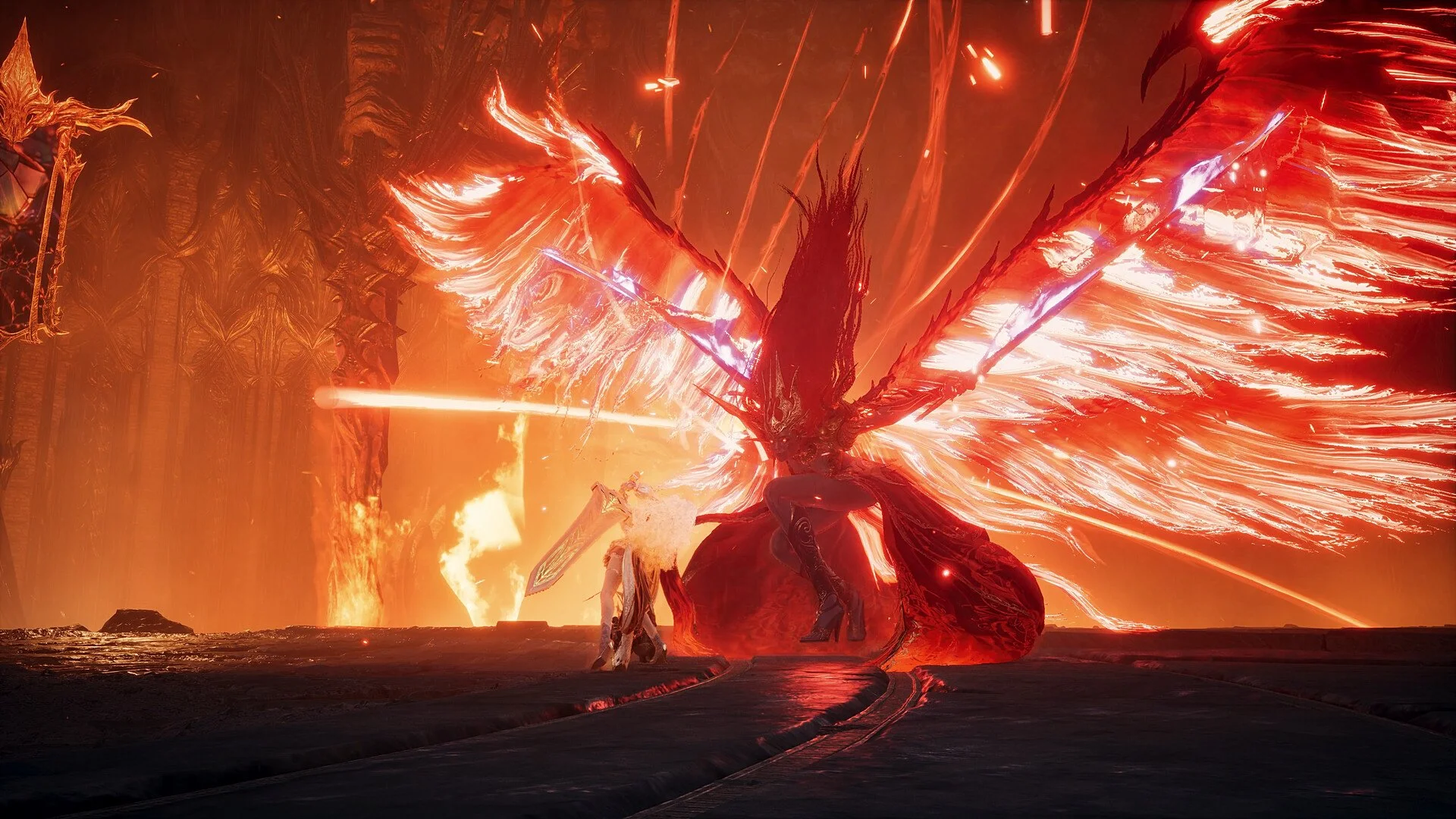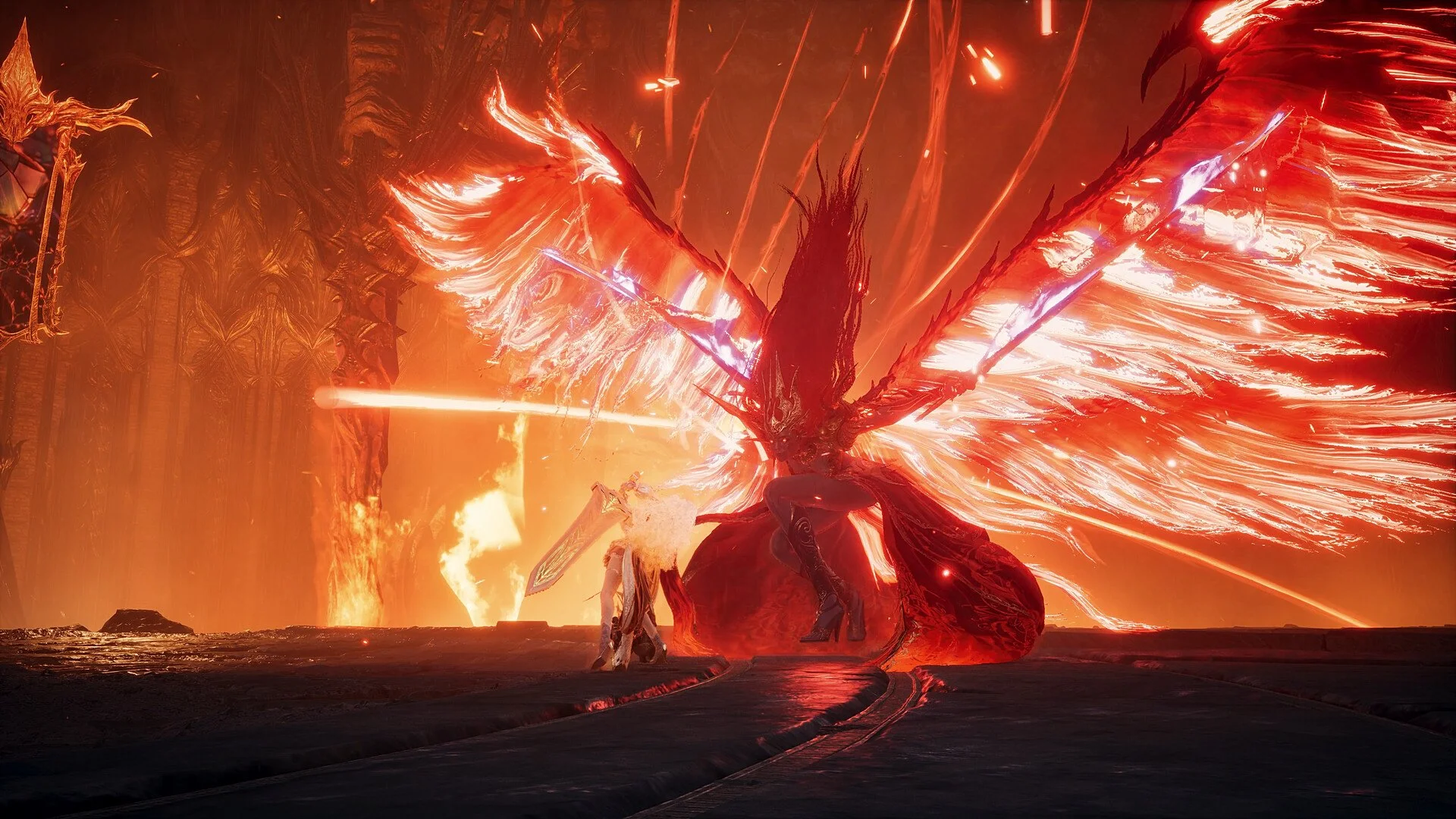
The best PvE class in Aion 2 isn't necessarily whichever class can produce the biggest damage number. Once you're running harder content, a more useful question is how consistently your class can contribute while mechanics are actually happening around you.
That's what this Aion 2 PvE class tier list is built around. I'm ranking all eight classes by damage uptime, survivability, party value, encounter flexibility, and how dependent they are on favorable positioning or specific situations. With those factors combined, Ranger is my best overall PvE class, while Cleric and Gladiator round out a three-class S Tier for very different reasons.
Jump To Section:
Aion 2 PvE Class Tier List
Ranger – S Tier
Cleric – S Tier
Gladiator – S Tier
Chanter – A Tier
Templar – A Tier
Assassin – A Tier
Sorcerer and Spiritmaster – B Tier
Which PvE Class Should You Choose?
Aion 2 Best PvE Class Tier List
My current Aion 2 PvE class tier list is S Tier: Ranger, Cleric, and Gladiator; A Tier: Chanter, Templar, and Assassin; and B Tier: Sorcerer and Spiritmaster.
S Tier: Ranger, Cleric, Gladiator
A Tier: Chanter, Templar, Assassin
B Tier: Sorcerer, Spiritmaster
This is specifically an overall PvE ranking, so I'm not grading every class as though all eight were competing for the same DPS slot. Cleric can be one of the best PvE classes without outdamaging Assassin because the two classes are solving completely different problems for a party.
I'm also giving consistency more weight than theoretical output. If a class can produce incredible numbers only when it maintains ideal positioning, never loses uptime, or gets a favorable encounter, I value that less than a class that remains effective through movement, mechanics, mistakes, and changing fight conditions.
Ranger – S Tier
Ranger is my best overall PvE class because it combines strong damage with one of the simplest advantages to underestimate on a spreadsheet: it can keep dealing that damage from range.
Actual PvE encounters rarely let you stand in the perfect location and run an uninterrupted rotation forever. Bosses move, dangerous areas force repositioning, mechanics separate players, and melee characters periodically have to disengage. Every second spent getting back onto a target is effectively damage you've lost regardless of how impressive your theoretical DPS would have been.
Ranger is better insulated from that problem. Strong single-target and multi-target damage already give it an excellent offensive foundation, while ranged positioning and mobility make maintaining useful uptime considerably easier across different encounter designs.
That's the main reason I put Ranger first rather than trying to identify whichever class has the largest possible burst window. PvE rewards repeatability. I want the class that can continue doing its job when the boss refuses to behave like a training dummy.
Ranger isn't completely independent of gear or player execution, but its core strengths apply to such a broad range of PvE situations that there are relatively few encounters where I'd be disappointed to have one in the party.
Cleric – S Tier
Cleric is S Tier because difficult PvE eventually stops being exclusively about killing the boss faster and starts asking whether the group can remain alive long enough to kill it at all.
Healing is the obvious part of the class, but Cleric's PvE value extends into recovery and support, including the ability to resurrect. That's particularly important while groups are still learning content, when mistakes are happening regularly and surviving another mechanic can be more valuable than squeezing slightly more damage into the same window.
There's also a difference between damage value and clear value. Adding another DPS may make a successful run several seconds faster. Preventing a wipe can save the entire attempt.
That's the distinction that earns Cleric S Tier for me. It won't necessarily appear at the top of a damage ranking, but PvE groups aren't built exclusively from whatever class has the largest number. When incoming damage becomes serious, Cleric has a job the rest of the party can't simply pretend doesn't exist.
It's also an excellent option if you expect to spend substantial time outside groups. Our Aion 2 best solo class tier list ranks Cleric highly for a different reason: when you're alone, having your own recovery makes the class unusually self-sufficient.
Gladiator – S Tier
Gladiator gets my final S-tier spot because it has one of the least fragile PvE value propositions in Aion 2. It deals meaningful damage, can withstand pressure, and doesn't require the group to build the entire encounter around keeping it functional.
That matters over a large amount of content. A specialist can be incredible when an encounter perfectly rewards its strengths, but Gladiator's bruiser profile gives it a useful floor even when things aren't ideal. You can make a mistake without immediately folding, continue contributing from melee range, and still provide the offensive pressure expected from a damage-oriented character.
There's also real evidence behind Gladiator's broader PvE strength. In one recent sample tracking 800 top characters across four PvE categories in the Korean and Taiwan versions, Gladiator appeared 128 times, second only to Ranger's 152. Representation isn't the same thing as proving that a class is objectively second-best, but it does support the idea that Gladiator is functioning successfully across high-level PvE rather than simply looking good in theory.
I particularly like Gladiator for someone who wants one PvE main rather than a character selected for one narrow endgame purpose. Its balance of offense and durability keeps making sense as the type of content changes.
Chanter – A Tier
Chanter is where party math starts becoming more interesting, because support damage isn't limited to the number appearing over the Chanter's own target.
Its Mantras can improve the party, while healing, shields, melee damage, and additional utility allow it to cover several needs within one slot. If a buff makes several other characters stronger, some of the value created by the Chanter is effectively appearing on somebody else's damage meter.
That's why I wouldn't rank Chanter by personal DPS alone. Its real strength is role compression: one party slot can contribute damage while also making the rest of the composition safer or more effective.
I have it just below S because that value becomes more composition-dependent than Ranger's straightforward damage uptime or Cleric's healing. The exact importance of another support-oriented slot can change with the encounter and with what the rest of your group already provides.
In the right party, though, I could easily see Chanter playing above its A-tier placement. Support classes tend to become better as the players around them become better, because there is more party output for their buffs and utility to amplify.
Templar – A Tier
Templar has perhaps the biggest difference between “essential when needed” and “more defense than necessary” of any PvE class.
If the encounter genuinely requires a tank to hold enemy attention, manage incoming damage, and create stability for the rest of the group, Templar immediately becomes one of the most important characters there. Nobody cares that your theoretical DPS ranking is lower if the boss needs to be controlled before everybody else can safely do theirs.
The reason I stop at A Tier is that this isn't equally valuable in every piece of PvE. Some encounters can place more emphasis on positioning, dodging, or simply killing threats quickly enough that a dedicated tank is less mandatory.
That gives Templar unusually variable value. When dedicated tanking is important, treat it like an S-tier role. When the content doesn't require that specialization, some of its defensive investment isn't converting into faster clears.
I therefore see Templar as encounter-dependent rather than weak. Its ceiling for party importance is enormous; you just don't need the full extent of that toolkit every time you leave town.
Assassin – A Tier
Assassin has the offensive potential to compete much higher than A Tier, but PvE mechanics create a tax that doesn't show up when you're imagining the perfect rotation.
Positioning matters. Access to the enemy's back matters. Staying on the boss matters. And because Assassin is relatively fragile, mistakes during those windows can be more expensive than they are for Gladiator.
When an experienced Assassin gets the fight it wants, the class can be an exceptional damage dealer. The issue is that bosses aren't obligated to provide that fight. Mechanics can force movement or make consistent back attacks more difficult, reducing the amount of time Assassin spends operating under ideal conditions.
That distinction between damage ceiling and usable damage is what keeps it out of S Tier for me.
It's also a good example of why separate rankings matter. Assassin fares considerably better in our Aion 2 best PvP class tier list, where stealth, burst, crowd control, and choosing an engagement become much more valuable. PvE bosses don't care that you surprised them.
Sorcerer and Spiritmaster – B Tier
Sorcerer and Spiritmaster both have legitimate PvE strengths, but they're also the two classes where I think a simple damage-tier argument can hide the most important details.
Sorcerer offers strong ranged damage and considerable burst potential, but successful output can become more sensitive to execution. Its damage relies on correctly landing and maintaining its offensive tools, including DoTs, burn effects, and major attacks, while its lower survivability makes mistakes more expensive.
In other words, Sorcerer can absolutely produce the damage expected from a strong PvE caster. I just trust Ranger's damage profile to remain useful across more awkward encounters, which matters in an overall rather than encounter-specific ranking.
Spiritmaster has almost the inverse problem. Its summons, shields, crowd control, sustained damage, and broader utility create an impressive toolkit, and its damage can become particularly effective in longer fights. That's why I rate it much more favorably for difficult independent play than raw PvE representation might suggest.
But current assessments of Spiritmaster are all over the place. One creator calls it the strongest solo class, another puts it in S Tier, while a recent high-level PvE representation sample found only 34 Spiritmasters among 800 tracked characters, by far the lowest figure for the classes included in that comparison.
I don't think 34 appearances proves Spiritmaster is a bad PvE class. Representation can reflect balance, player population, encounter design, group preferences, and plenty of other factors. It does make me hesitant to put the class into S or A Tier solely because its toolkit looks complete on paper.
For now, B Tier is my compromise: both Sorcerer and Spiritmaster have clear ways to be strong, but neither has the same combination of current consistency and broad PvE applicability that I see in the classes above them.
Which Aion 2 PvE Class Should You Choose?
Ranger is my pick for the best overall PvE class in Aion 2. Strong damage is only part of the argument; being able to preserve that damage while mechanics force movement is what makes Ranger particularly attractive across different encounters.
I'd choose Gladiator instead if I wanted a melee character with a more forgiving balance between offense and durability, while Cleric is arguably the safest long-term PvE main for someone who enjoys healing because its core job remains valuable regardless of which DPS class happens to lead a particular balance patch.
Chanter is my flexible support choice, Templar becomes considerably better whenever content truly demands a tank, and Assassin is the higher-execution damage option for someone willing to deal with positional requirements in exchange for its offensive ceiling.
I wouldn't avoid Sorcerer or Spiritmaster purely because I've placed them in B Tier, either. Aion 2 class balance has moved enough that current rankings shouldn't be treated as permanent character-selection rules, and encounter design can change which toolkit is most valuable. A fight that's horrible for one class can be unusually favorable for another.
That's ultimately why my PvE ranking doesn't just mirror damage statistics or class population. The best PvE class isn't the one that wins one controlled comparison; it's the one whose strengths survive the largest number of real encounters.
Right now, Ranger fits that definition best for me. It combines damage, range, mobility, and strong uptime without needing a particularly unusual party composition or encounter to justify its place, which is exactly what I want from an overall PvE recommendation.