All Will Fall Review: Physics Makes It Addictive

All Will Fall is one of those games that feels simple at first, then slowly starts exposing how much is actually going on under the hood. The first hour gives you the idea, but it’s the next few hours where it really hooks you.
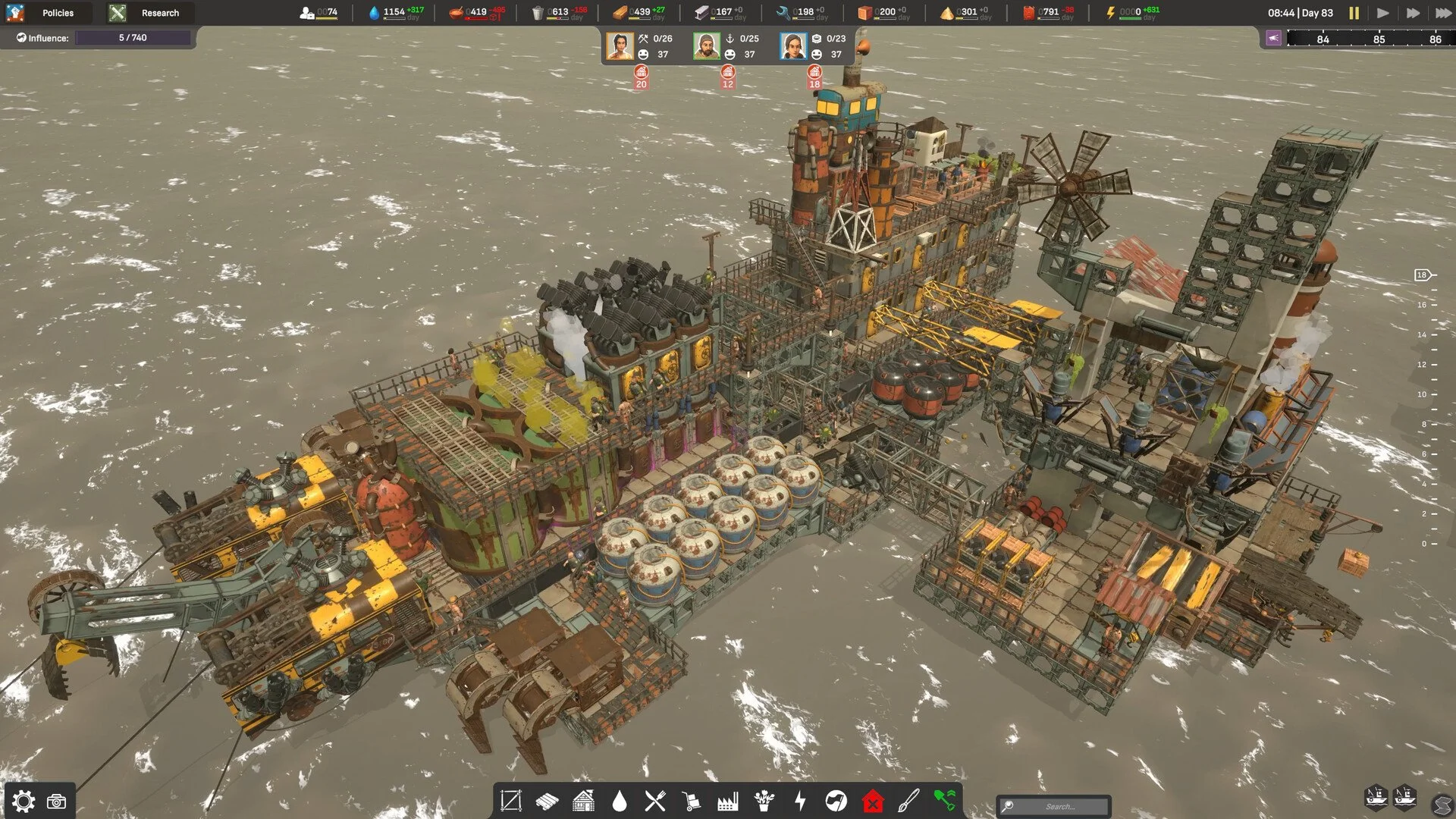
At the start, you’re basically just placing buildings and connecting platforms, nothing crazy. Then you realize the game isn’t about placing things… it’s about how you place them. Weight, support, distance, angles, all of that starts to matter more than anything else.
The physics system is what carries the whole experience. Every structure has a purpose, and every mistake has consequences. You can absolutely build something that looks fine, only for it to collapse because one support point wasn’t enough. And the best part is, when that happens, it usually feels fair. You start to learn the logic behind it instead of blaming the game.
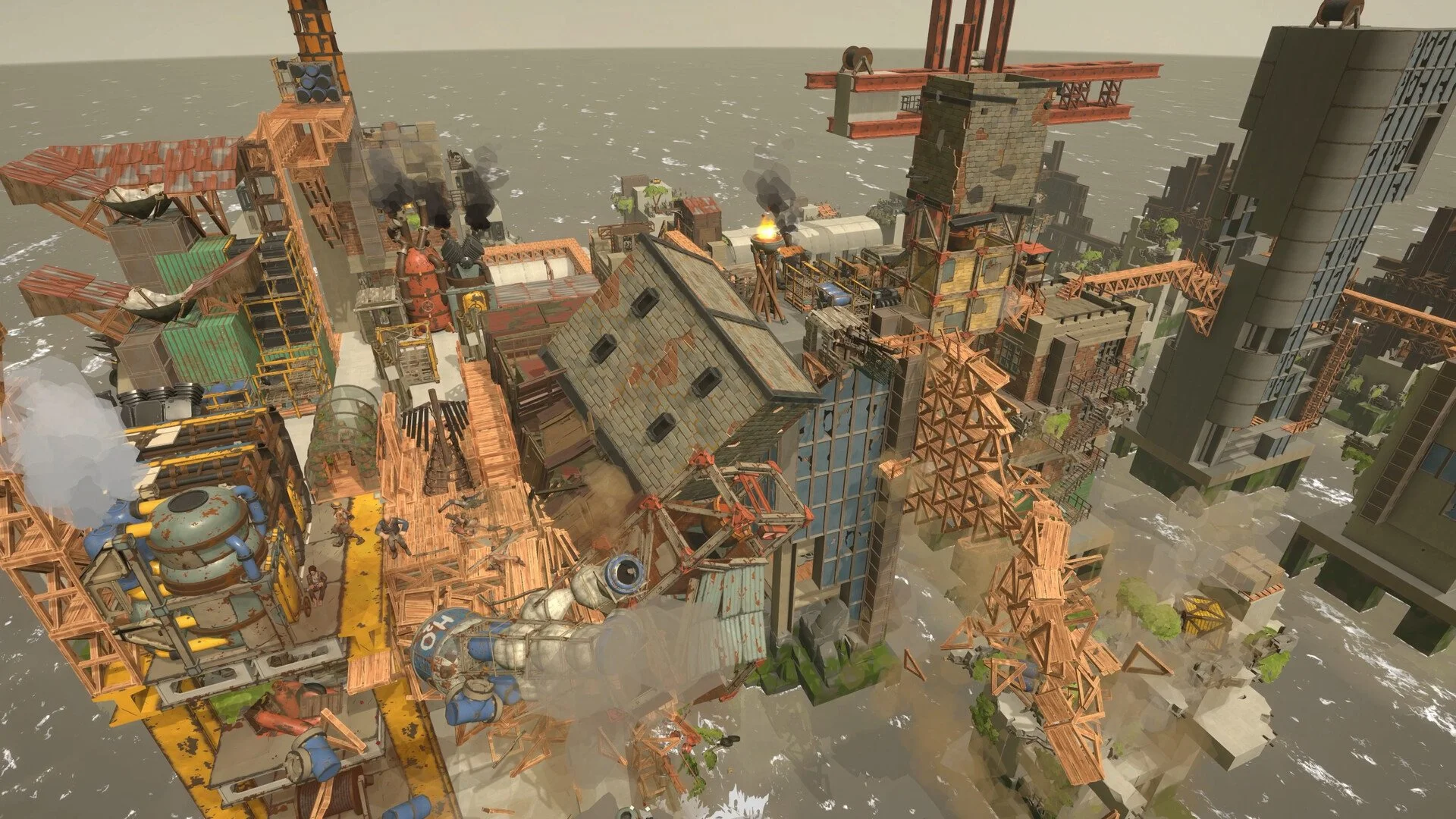
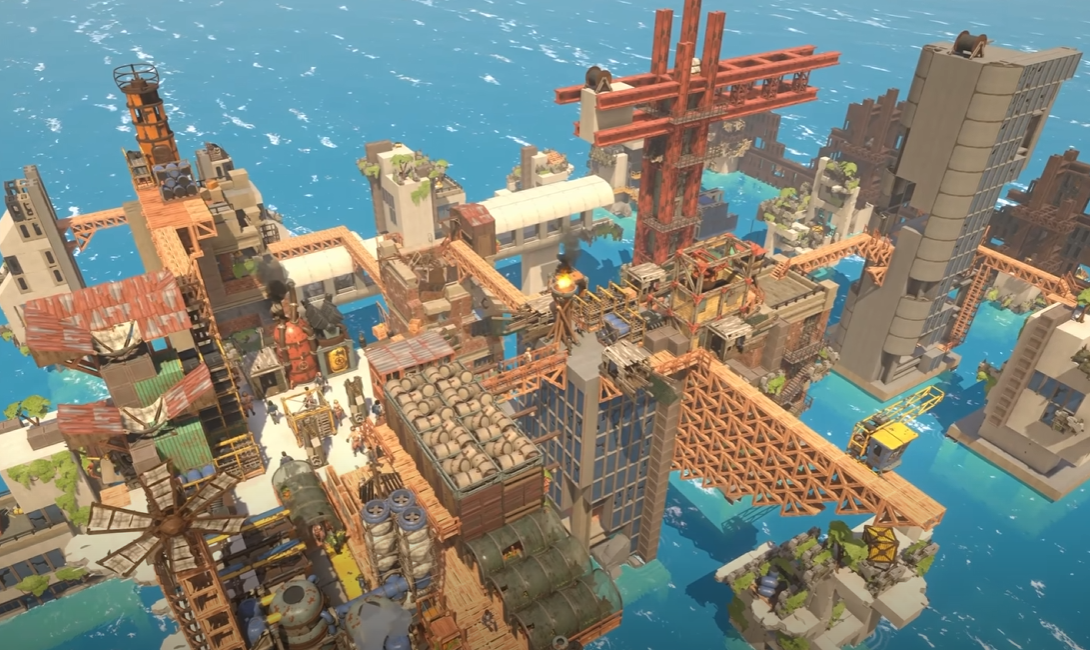
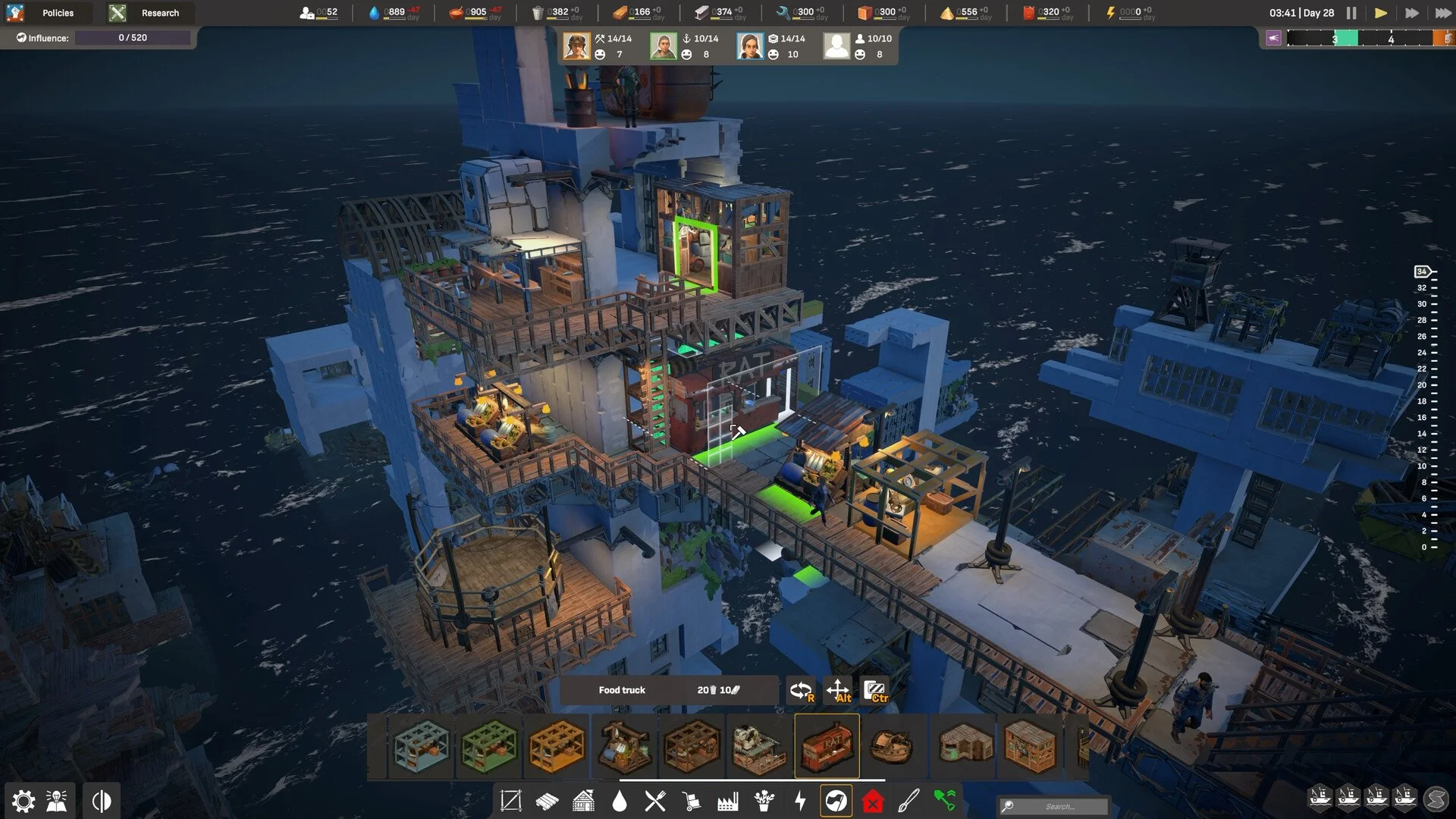
After a few hours, your mindset completely shifts. Early on you’re just trying to expand. Later, you’re thinking ahead constantly. You start planning supports before placing buildings, building outward in layers instead of stacking everything, and leaving room to reinforce weak spots. It turns into this constant balance between ambition and stability.
That’s where the game really shines. It creates tension without forcing it. You’re not being rushed by some harsh timer every second, but you still feel pressure because you know if you mess up, it can snowball fast. A bad collapse doesn’t just look cool, it can completely mess up your resource flow, housing, and progression.
The scenarios do a good job of keeping things fresh too. They’re not just slight variations, they actually push you into different ways of building. Some maps give you more freedom early, others force you to adapt quickly or rethink your entire layout. It stops the game from feeling repetitive, which is huge for a city builder.
The progression system also lands well. Unlocking better supports, new building options, and ways to stabilize your city actually changes how you play. You’re not just unlocking upgrades, you’re unlocking safer ways to build bigger. That loop feels really satisfying.
One thing I liked a lot is how forgiving the game is with rebuilding. You’re not locked into bad decisions. If your layout sucks, you can fix it. That makes experimenting way more fun because you’re not scared to try something risky.
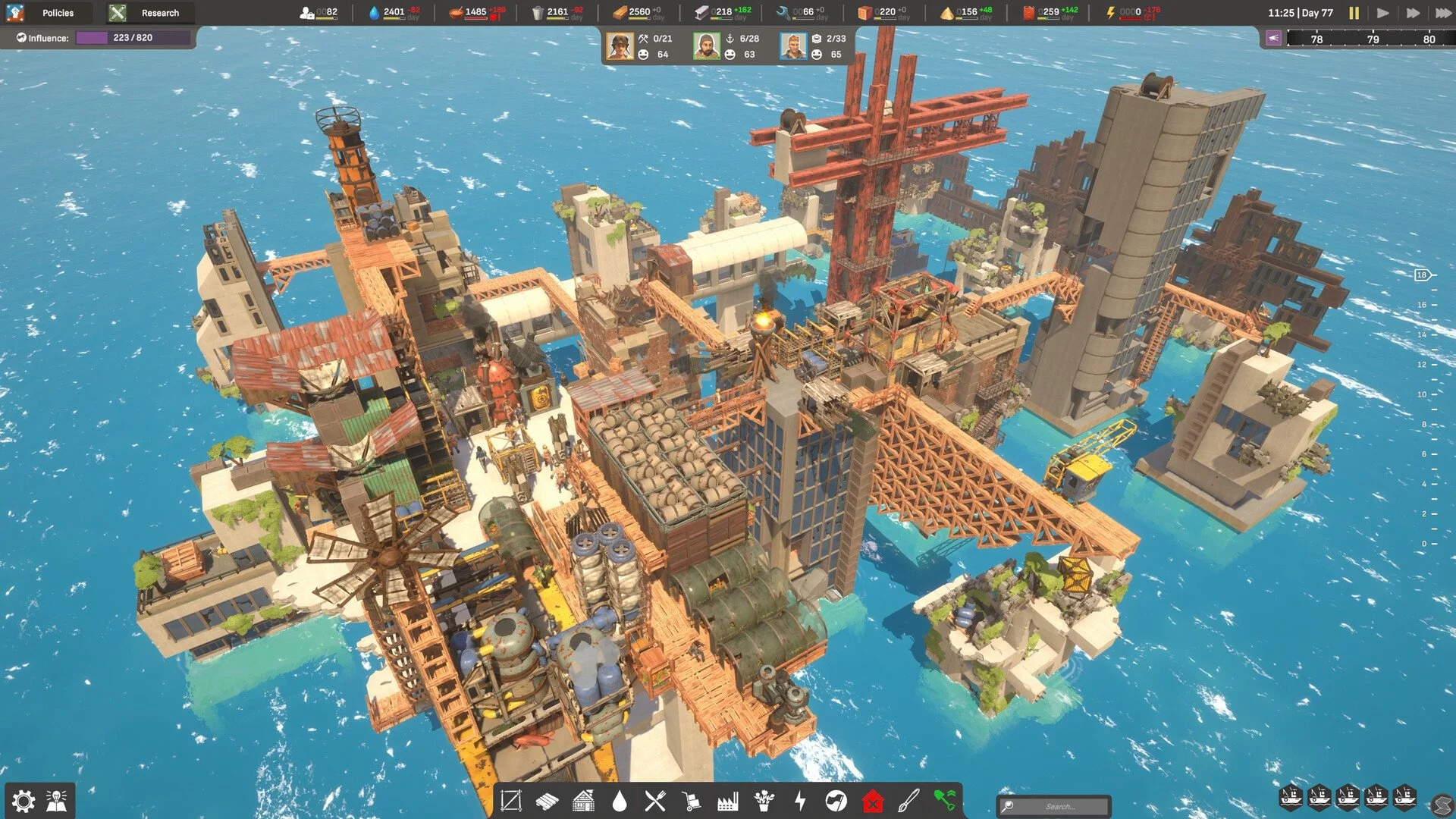
Performance was solid across the board. No crashes, no major bugs, nothing that killed the experience. For a game where entire structures can collapse at once, that’s honestly impressive.
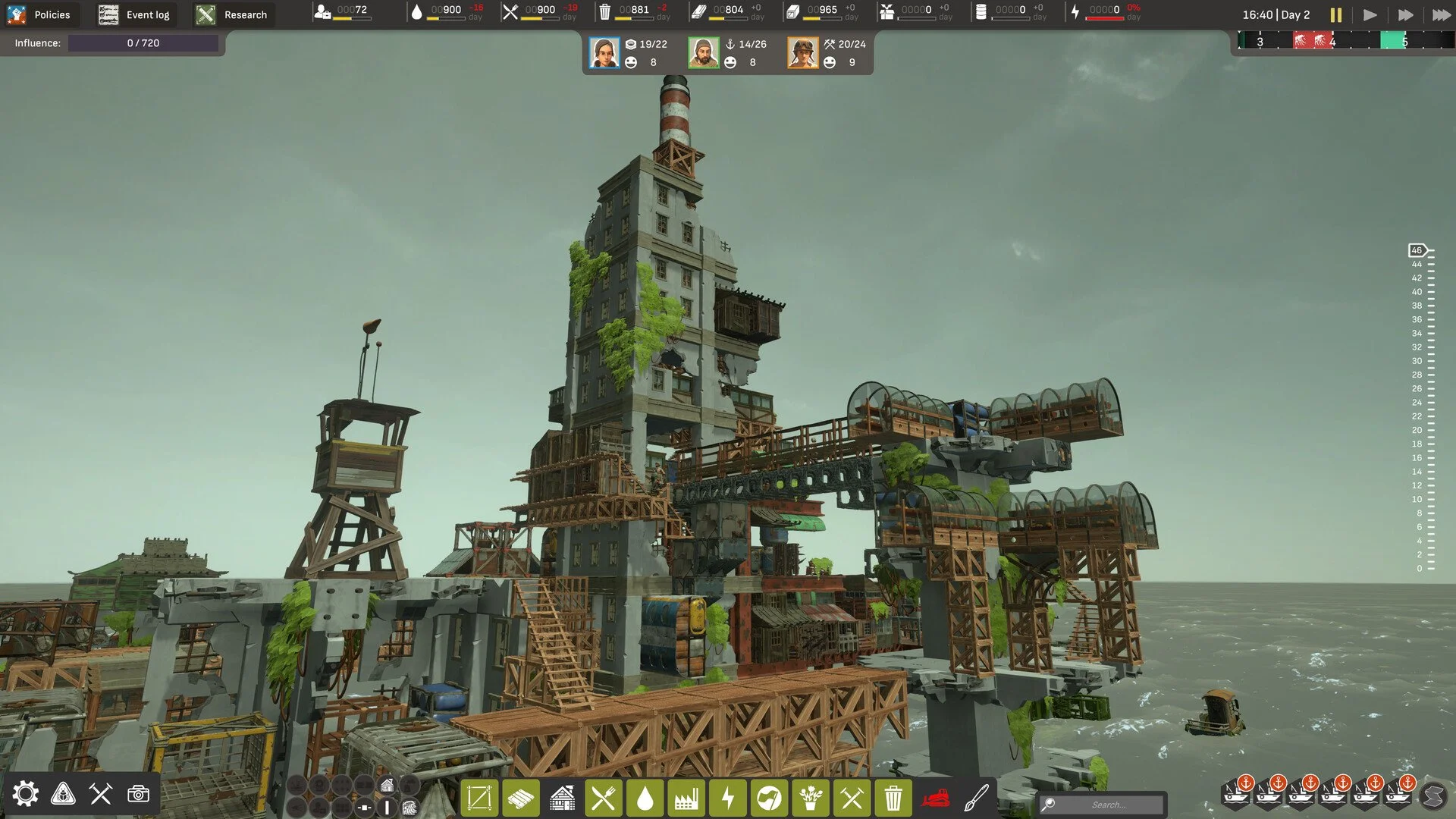
That said, there are a few rough spots. The camera can get awkward once your city starts going vertical, and early on the physics can feel inconsistent until you start understanding how the system actually works. It’s not random, but the game doesn’t fully teach you everything upfront, so there’s a bit of a learning curve.
Also, if you’re someone who wants super deep micromanagement of individual citizens, this isn’t really that game. It’s more focused on the city as a whole and how it functions structurally.
Price wise, $30 might give some people pause, but after putting time into it, it feels justified. There’s enough here to keep you coming back, especially if you enjoy optimizing builds or trying different approaches.
Overall, this is one of the more interesting city builders I’ve played in a while. It doesn’t try to overwhelm you, but it still gives you enough depth to keep improving every run. The physics system alone makes it stand out, and once it clicks, it’s hard to stop playing.
GamerBlurb Score: 8.8/10
Reviewed by Andrew B.