All Will Fall Electricity Guide: Power Explained
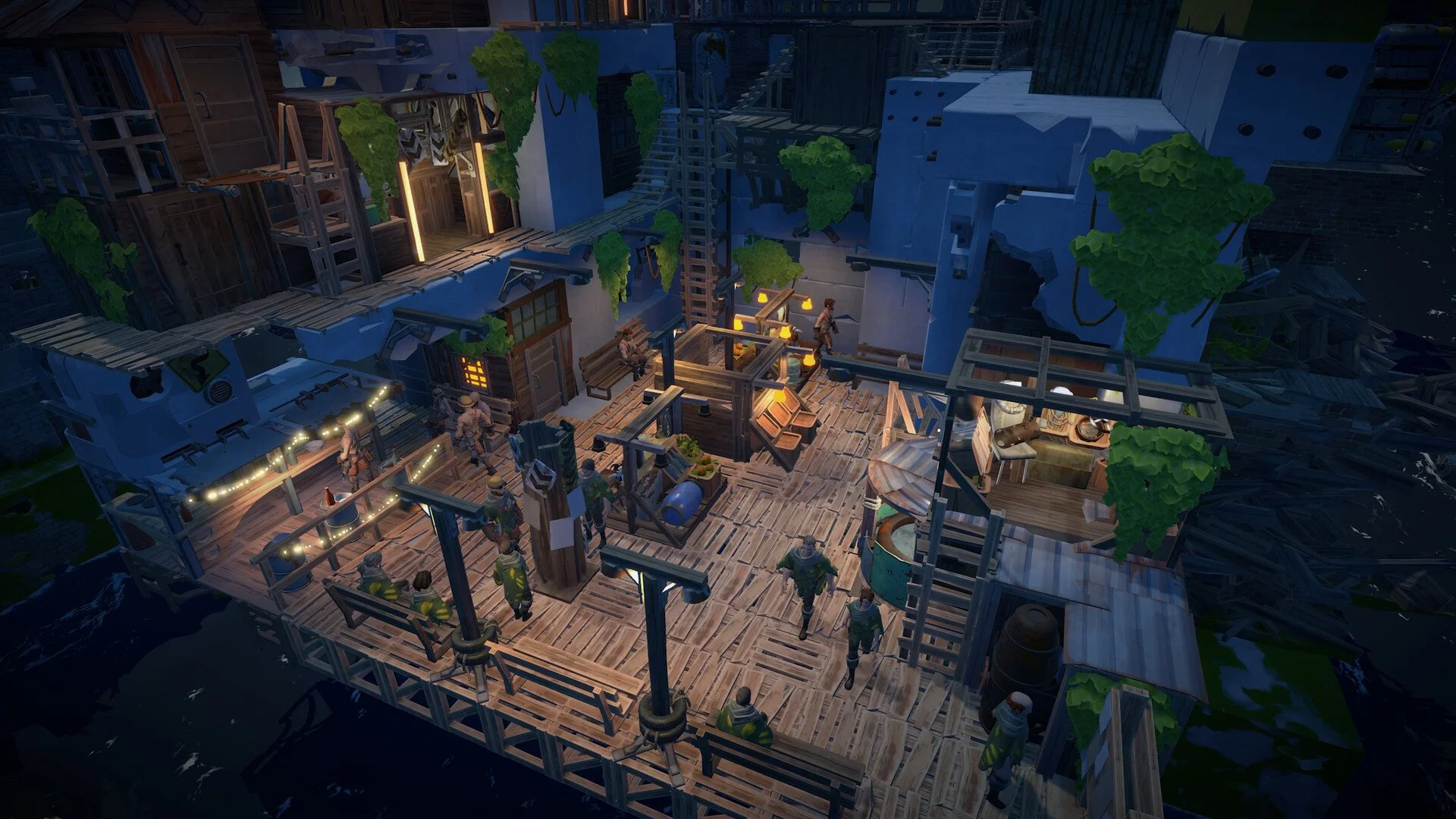
Electricity is one of those systems in All Will Fall that feels optional for longer than it probably should. Early on, your city runs fine without it, so it’s easy to treat it like something you will deal with later. The problem is that the transition is not gradual. Once your city grows, multiple systems start leaning on electricity at the same time, and if you are not ready for that shift, everything slows down together.
How Electricity Actually Works
Electricity is generated within each city and constantly consumed by certain buildings, and if your supply drops below demand, those buildings stop working properly.
You are always balancing production against usage. When that balance holds, your city feels smooth and responsive. When it doesn’t, the effects show up in ways that are easy to feel but not always obvious to trace. Movement becomes slower, utility buildings fall behind, and your overall efficiency drops without a clear warning telling you what went wrong.
Electricity is also handled separately in each city. There is no sharing between locations, which means every expansion forces you to rebuild a working grid again. We usually notice this when a new city underperforms even though everything is stable elsewhere, because the power setup has not caught up yet.
What Actually Uses Electricity
At the beginning, electricity barely connects to anything important. Your core survival loop works without it, so there is no urgency to build into power. That is why it feels like something you can ignore.
The shift happens slowly, and that is what makes it easy to miss. We usually notice it first when lighting spreads across the city. A few placements do not matter, but over time it becomes a constant drain that did not exist before. Elevators follow a similar pattern. They start as a convenience, then become necessary once your city grows vertically and movement time begins to stack up.
That loss of efficiency compounds. Longer travel times mean workers spend more time moving and less time producing, which quietly slows everything down across your entire city.
Then your utility buildings begin tying into electricity, and that is where the system really matters. At that point, power is no longer optional because it directly affects whether your city can keep up with its own demands.
Most of your demand ends up coming from a mix of
Lighting as your city expands
Elevators once vertical movement becomes necessary
Leisure buildings running in the background
Utility systems, especially anything tied to water
None of these feel like a problem individually, which is why it is easy to overlook. Once they stack together though, electricity becomes one of the main things limiting how well your city runs.
How You Generate Electricity
Wind ends up being the most dependable source for most runs because it is simple and consistent. You place it, it produces, and it scales in a way that is easy to plan around. That consistency matters more than anything else once your city grows, because you need power you can rely on without constantly adjusting your setup.
Other options like water based generation exist, but they depend more on your layout and positioning. They can work, but they are less flexible, which makes them harder to build around as your main source unless your city naturally supports it.
Batteries start off feeling unnecessary, but once your grid gets bigger, they become one of the things that keeps everything stable. Your electricity usage is not perfectly steady, so even if your total production looks fine, there are moments where demand spikes and your systems dip. Batteries store excess power and release it during those moments, which keeps your city from constantly fluctuating.
Why Electricity Feels Weak Early
Electricity feels like a bad investment early because it does not solve a problem you actually have yet.
You are putting workers into generating power, but your city is not relying on that power for anything critical. Food works, water works, and your basic systems are already covered. So instead of improving your situation, electricity ends up competing with the systems that actually keep your city running.
We feel this most when population is low, because every worker matters. Assigning people to electricity at that stage means pulling them away from more immediate needs, which makes power feel like it is slowing you down instead of helping.
That is why delaying electricity works. You are not ignoring it, you are waiting until it actually has a purpose.
When Electricity Starts Mattering
There is a point where your city stops scaling cleanly, and that is when electricity becomes unavoidable.
We usually notice it through small issues first. Movement takes longer than it used to, water starts becoming less consistent, and buildings that should be helping are not keeping up the way you expect. Nothing feels completely broken, but everything feels slightly worse at the same time.
That is the moment electricity becomes necessary. Not as an upgrade, but as something your systems depend on to function properly. If your power is not there, your improved buildings do not actually fix your problems, and your city starts falling behind.
Electricity and Water
Water is usually where electricity finally clicks.
Early systems can carry you, but they do not scale well as your population grows. As demand increases, you need something more consistent, and that is where electric water systems come in. Once you make that shift, your water supply stabilizes in a way that removes one of the biggest long term pressures on your city.
We feel the difference immediately here, because water is tied directly to survival. When it becomes reliable, everything else becomes easier to manage.
Managing Electricity Without Overbuilding
The biggest mistake is trying to build too much electricity too early.
You do not need a massive power grid right away. You need enough to support what you are actively using, then expand it as new systems come online. If you overbuild, you end up wasting workers on power you do not need yet, which slows everything else down.
What works better is building into electricity gradually and only expanding when something new actually requires it. That keeps your power grid aligned with your actual needs instead of getting ahead of your city and draining resources.
Focus on powering systems that directly impact survival first
Add generation when new buildings start depending on electricity
Use batteries once your grid starts dipping during spikes
Avoid stacking unnecessary powered buildings early
This approach keeps your city efficient and stable instead of overcommitted, which makes scaling much smoother.
Final Blurb
Electricity feels optional early because the game lets you ignore it, but it quietly becomes one of the most important systems once your city grows. The moment multiple systems start depending on it at the same time is where runs either stabilize or fall behind, and that almost always comes down to whether your power setup kept up with your growth.
FAQ
When should I start using electricity in All Will Fall
Once your city starts expanding and unlocking more advanced systems, that is when electricity becomes worth investing in.
Can you ignore electricity completely
Only early on. As your city grows, your systems begin depending on it and progress slows without it.
What is the most reliable way to generate electricity
Wind is currently the most consistent option because it is easy to scale and does not require complex setup.
Why are my buildings not working properly
It usually means your electricity production is not keeping up with demand, causing powered buildings to lose effectiveness.
Do batteries matter later on
Yes, they help stabilize your grid and prevent power drops when your usage spikes.