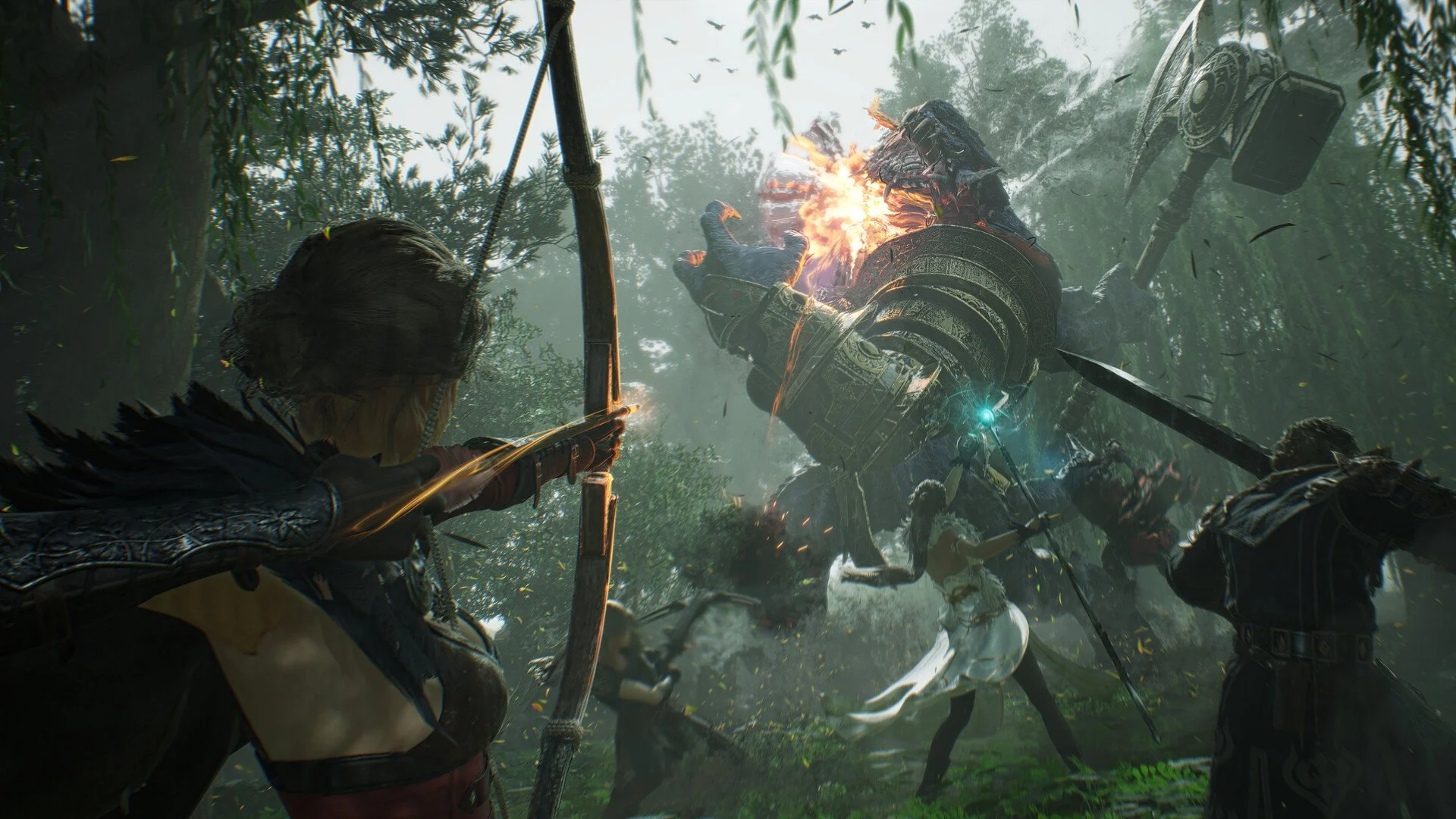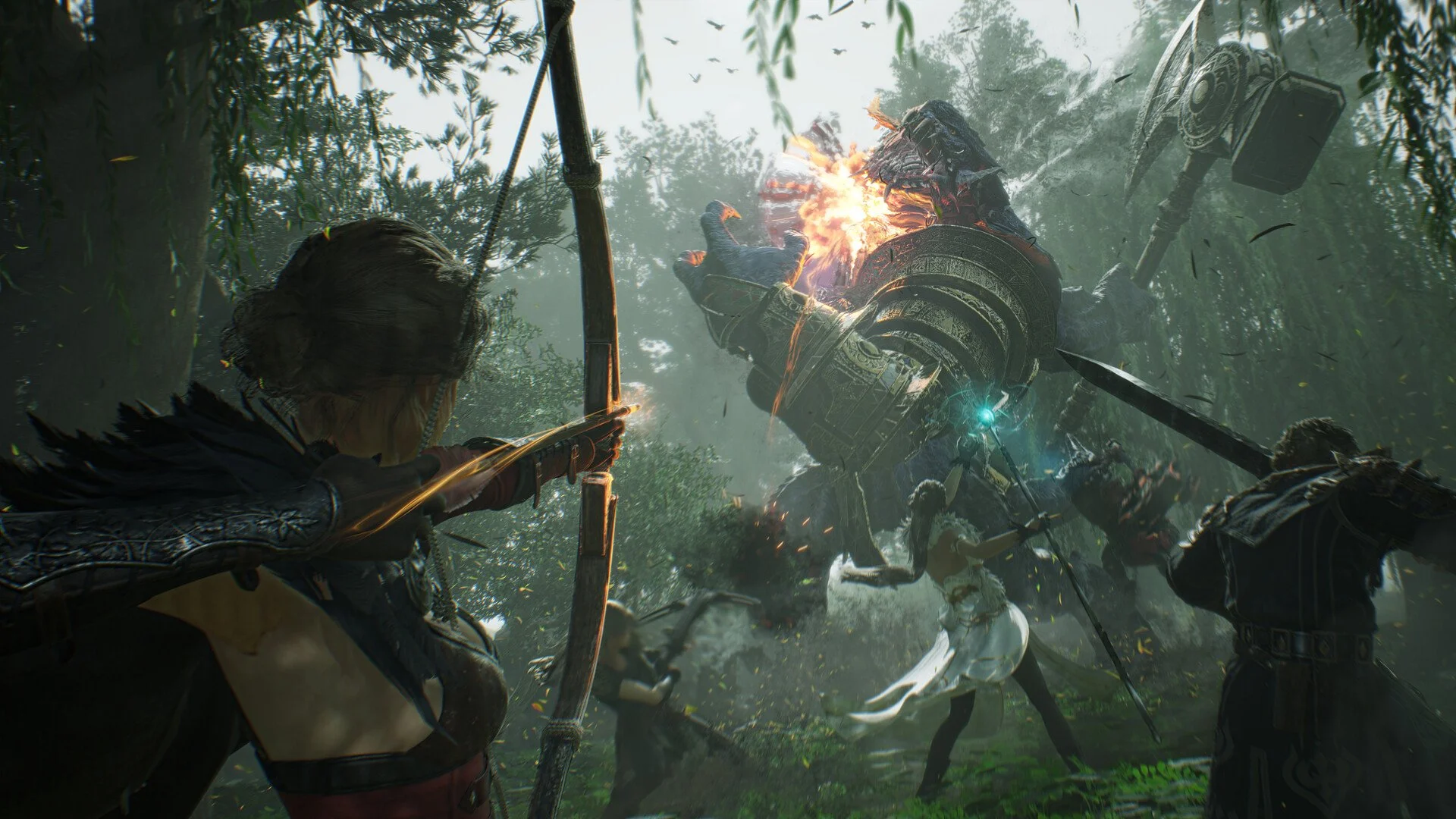
ArcheAge Chronicles gives you several ways to make progress, but choosing the wrong activity at the wrong time can leave you spending gold, collecting materials, or repeating encounters without improving your character very much. Between weapon traits, equipment upgrades, permanent bonuses, and exploration rewards, the useful question isn't always what you can do next. It's what will actually make your next objective easier. These tips focus on finding that answer and getting more value from your time in Auroria.
Smarter Progression Tips
Combat and Upgrade Strategies
Explore More Efficiently
Gold and Trading Tips
PvP Channel Strategy
How to Choose Your Next Objective
Best ArcheAge Chronicles Tips and Tricks for Progression
The most useful early strategy in ArcheAge Chronicles is to identify what you're missing before deciding what to do next. A character struggling with stamina doesn't necessarily need another weapon, while someone missing a useful trait may benefit more from a Coilstone encounter than ordinary leveling.
1. Find Your Progression Bottleneck Before Grinding
ArcheAge Chronicles has multiple progression systems, and they don't all improve the same things.
Character levels provide stat points, Raeven's Coilstones provide weapon trait progression, Nui Tears improve maximum HP, and Books of Perdita permanently increase potion potency.
Instead of repeatedly pursuing whichever activity is nearby, start by identifying the one thing currently holding you back.
| What You Need | Where to Focus |
|---|---|
| More available weapon abilities | Coilstone rewards and weapon trait trees |
| More maximum HP | Nui Tears, Nui Statues, and Constitution |
| Stronger healing potions | Books of Perdita |
| More stamina | Endurance and equipment bonuses to SP |
| A better weapon or armor piece | Crafting requirements, existing gear, and enhancement options |
This changes how you decide what constitutes useful progress.
If you're already surviving comfortably but lack an ability that would improve your preferred weapon, another HP upgrade may not be your most useful immediate objective.
Likewise, buying expensive gear won't automatically address a stamina shortage that's preventing you from dodging.
Before starting another activity, choose the specific improvement you're trying to obtain.
2. Check for Improvements You've Already Earned Before Buying New Ones
One of the easiest ways to waste gold is to purchase an upgrade without reviewing the progression resources you already have.
Character levels provide unallocated stat points until you spend them, while Coilstone rewards contribute to separate weapon trait trees.
That means you could already have an improvement available without needing to obtain another item.
Before visiting a blacksmith or gathering materials for a replacement weapon, check your character's stat allocation and relevant weapon traits.
Use the stat preview to understand exactly what a point would change. Then review whether an available trait offers something useful for your current playstyle.
Only after considering those options would I compare gear purchases or enhancements.
This isn't a rule against upgrading equipment. It's a way to avoid using gold to solve a problem that an existing progression resource might already address.
3. Don't Treat Every Coilstone Boss as an Immediate Priority
Raeven's Coilstones are important because they provide access to weapon trait progression, but that doesn't mean every guardian deserves repeated attempts the moment you encounter it.
Consider what defeating the guardian would actually unlock for your character.
If you're close to obtaining a particularly useful ability through the relevant trait tree, that encounter may be worth prioritizing.
If the boss is currently overwhelming you and you have several easier ways to improve your character, pursuing those improvements first may be more productive.
Think of a difficult Coilstone encounter as an objective that can be postponed rather than an obstacle that must immediately be overcome.
When you return, you'll have a clearer reason for fighting it and may have additional stats, equipment, or permanent upgrades to help.
After defeating a guardian, remember to interact with the Coilstone itself to claim the progression reward.
Make Better Combat and Equipment Decisions
4. Keep Enough Stamina for the Enemy's Next Move
Stamina in ArcheAge Chronicles supports combat actions, including skills and dodging.
That creates an important tradeoff: using more abilities offensively can leave fewer resources available when an enemy responds.
Rather than judging an attack sequence only by the damage it produces, pay attention to the amount of stamina remaining afterward.
If you're consistently unable to dodge a dangerous attack after finishing your own combination, consider shortening the combination before investing more heavily in damage.
Endurance can improve stamina, while certain armor pieces provide bonuses to maximum SP.
However, additional SP isn't automatically a substitute for better timing. If you're using every available charge before an enemy attacks, you may still encounter the same problem with a larger stamina pool.
A useful goal is to establish an attack pattern that leaves enough resources for your next defensive response.
5. Separate Taking Too Much Damage From Recovering Too Little Health
Two characters can struggle with survivability for different reasons.
One might have insufficient maximum HP to withstand enemy attacks, while another might survive individual hits but find that their potions don't restore enough health during a longer encounter.
Those problems point toward different improvements.
Nui Tears increase maximum HP permanently when exchanged at Nui Statues. Constitution also improves HP and resistance to critical hits.
Books of Perdita, meanwhile, increase potion potency.
When deciding which upgrade to pursue, pay attention to what happens during your failed attempts.
If a single mistake causes a major portion of your health to disappear, improving your maximum HP may provide more room to recover.
If you can survive attacks but your healing struggles to keep up over a longer fight, potion improvements become more attractive.
Neither approach replaces learning defensive timing, but recognizing the difference can prevent you from pursuing an upgrade that doesn't address your actual difficulty.
6. Give Yourself a Spending Limit Before Enhancing Equipment
Equipment enhancement is another area where it's worth thinking beyond the immediate upgrade.
A basic +1 enhancement requires a Tempering Stone and gold. As enhancement levels increase, success chances decrease.
That creates a reason to compare the next enhancement attempt against the alternatives.
Before spending more materials, ask three questions:
- Is this a piece of equipment I expect to continue using?
- Does its current bonus support what my character needs?
- Could the same resources help me obtain or craft something more useful?
For example, an armor piece with additional maximum SP might be particularly attractive if stamina is your current limitation.
Another piece could provide bonuses that better support your offensive approach.
The item with the highest enhancement level isn't automatically the one that provides the most useful combination of effects.
There's no universal number of enhancement attempts at which you should stop. The better decision depends on the item's value to your build, the displayed success chance, and what else you could do with the resources.
Explore Auroria With More Purpose
7. Plan Expeditions Around Different Types of Rewards
Quests, exploration discoveries, and permanent upgrades can all contribute to progress, but they reward different things.
Before visiting a new area, consider whether you can accomplish more than a single objective during the trip.
For example, an early quest involving Flite's Prototype Glider takes you toward the Sunken Ruins, where a Nui Statue and Nui Tear are also available.
That creates several possible benefits from the same journey: quest progression, a useful travel location, and progress toward a maximum-HP upgrade.
This doesn't mean every quest location contains the same combination of rewards.
Instead, use the example as a planning principle. When you're already traveling somewhere, look for nearby discoveries that support a different kind of progression.
One trip that advances a quest and provides a permanent improvement can be more productive than treating those activities as entirely separate journeys.
8. Turn Riddles and Item Descriptions Into a Search Plan
ArcheAge Chronicles contains optional discoveries that don't always begin with an obvious quest marker.
Some items provide clues through their descriptions, while Hersander's Towers present riddles involving particular offerings.
Rather than exploring randomly when you encounter one of these mysteries, identify what information you actually have.
An item description might name a character or location. A tower riddle might suggest that the required offering can be found through a nearby activity.
For example, one early tower requires a Soul Stone obtained through a nearby point of interest.
You can use these clues to create a short list of places or people worth investigating.
This approach is particularly useful when several optional discoveries accumulate. Instead of repeatedly visiting an area without a specific purpose, return when you have a clue pointing toward something there.
The goal isn't to eliminate exploration. It's to make your discoveries influence where you explore next.
9. Unlock Better Transportation Before Repeating Long Material Runs
Travel time becomes more important when you repeatedly return to earlier locations for crafting materials, quests, or exploration rewards.
ArcheAge Chronicles provides several ways to make those journeys more convenient.
Your Glider becomes available during the early quests involving Aeon and the Sunken Ruins. Your first Mount arrives later through the progression leading to Well-Earned Reward.
Nui Statues also provide fast travel opportunities when activated.
These rewards aren't merely alternatives to walking. They can influence how convenient later resource collection and quest completion become.
If you're about to begin several repeated journeys, check whether you're close to unlocking a useful travel option.
Completing a nearby progression objective first may make those later journeys easier.
There's no reason to delay every gathering trip until you have all available movement equipment, but it's worth considering whether a transportation unlock would benefit several upcoming objectives rather than just your current journey.
Spend Gold More Efficiently
10. Compare the Finished Craft Against the Gear You Already Own
Crafting a new item requires more than collecting whatever materials appear on its recipe.
Some ingredients must be processed at separate workstations, such as smelting facilities, while others come from enemy drops.
Weapon recipes can require materials such as Shattered Blades, which are obtainable from certain humanoid enemies.
Crafting also costs gold.
Before starting a lengthy material run, check whether the finished item provides an improvement that justifies all those requirements.
For example, if your existing equipment already has useful bonuses and can be enhanced, you should compare that option against creating an entirely new piece.
Think about the full production chain:
Required materials, processing steps, crafting costs, and the actual improvement over your current equipment.
You don't need to assign an exact gold value to every minute of gathering. Simply recognizing that a recipe may require several additional steps helps you decide whether it's worth pursuing now.
I'd prioritize crafting projects that solve a specific equipment problem rather than creating every newly available item simply because the recipe has been unlocked.
11. Treat Your First Trade Delivery as a Test Run
The Bluesalt Brotherhood introduces trading through quests associated with Donella and the organization's board.
Trading involves transporting goods to another location and completing an exchange for a reward.
Instead of immediately assuming this will become your main gold-making activity, use the introductory delivery to understand its actual requirements.
Pay attention to how much travel is involved, how comfortably you can operate the transport vehicle, and what the completed exchange rewards.
When additional opportunities become available, compare them with that first experience.
A delivery offering more gold isn't automatically more convenient if the journey takes considerably longer or requires additional preparation.
Likewise, an activity with a smaller payout might fit more naturally into a route you're already planning for another purpose.
This gives you a practical way to judge trading opportunities without assuming every available cargo route offers the same value.
Use Peace and Conflict Channels Strategically
Conflict channels allow open PvP and provide an experience bonus, while Peace channels let you pursue objectives without the same threat of player attacks.
When deciding between them, consider how much uninterrupted progress matters to your current activity.
If you're exploring unfamiliar locations, learning a difficult encounter, or following quests, repeated PvP interruptions can make your session less productive even when an experience bonus is available.
On the other hand, if you actively want open-world PvP, Conflict channels provide the opportunity to participate.
One useful way to compare them is to observe your actual progress over similar periods of play rather than judging them entirely by the advertised bonus.
For example, compare how much progress you make on your intended objectives when playing uninterrupted with how much you accomplish when other players can engage you.
This isn't a claim that Peace channels always provide faster leveling. It's a way to evaluate whether the Conflict bonus is providing value for your particular activity.
Remember that channel selection and server selection are different decisions. Players on the same server can use party features across Peace and Conflict channels, but cross-server play and character transfers aren't supported during Early Access.
How to Choose Your Next Objective in ArcheAge Chronicles
When you're unsure what to do, choose your next objective based on what it will change for your character.
| Your Current Situation | Suggested Priority |
|---|---|
| You have unspent stat or trait points | Review available improvements before pursuing more resources. |
| Boss attacks are exhausting your stamina | Adjust attack sequences and review Endurance and SP bonuses. |
| You need additional survivability | Compare Nui Tear upgrades, Constitution, and potion improvements. |
| Your next craft requires several materials | Check the processing requirements and compare the finished gear against your current equipment. |
| You keep traveling between distant locations | Prioritize useful travel unlocks and activate available Nui Statues. |
| You've discovered an unfamiliar item or riddle | Use its clues to identify a specific destination or interaction. |
| You're considering PvP channels for progression | Compare the bonus against the interruptions you actually encounter. |
The most effective progress isn't always the result of completing more objectives. Sometimes it's about choosing one improvement that makes several future activities easier.
A travel unlock can improve repeated exploration, an appropriate trait can change how you approach difficult encounters, and a permanent survivability upgrade can help without requiring another equipment replacement.
By connecting each activity to a specific goal, you can make better use of the progression systems available in ArcheAge Chronicles rather than spending your time on whichever task happens to appear next.