Farever Weapons Guide: How Weapons And Arsenal Work
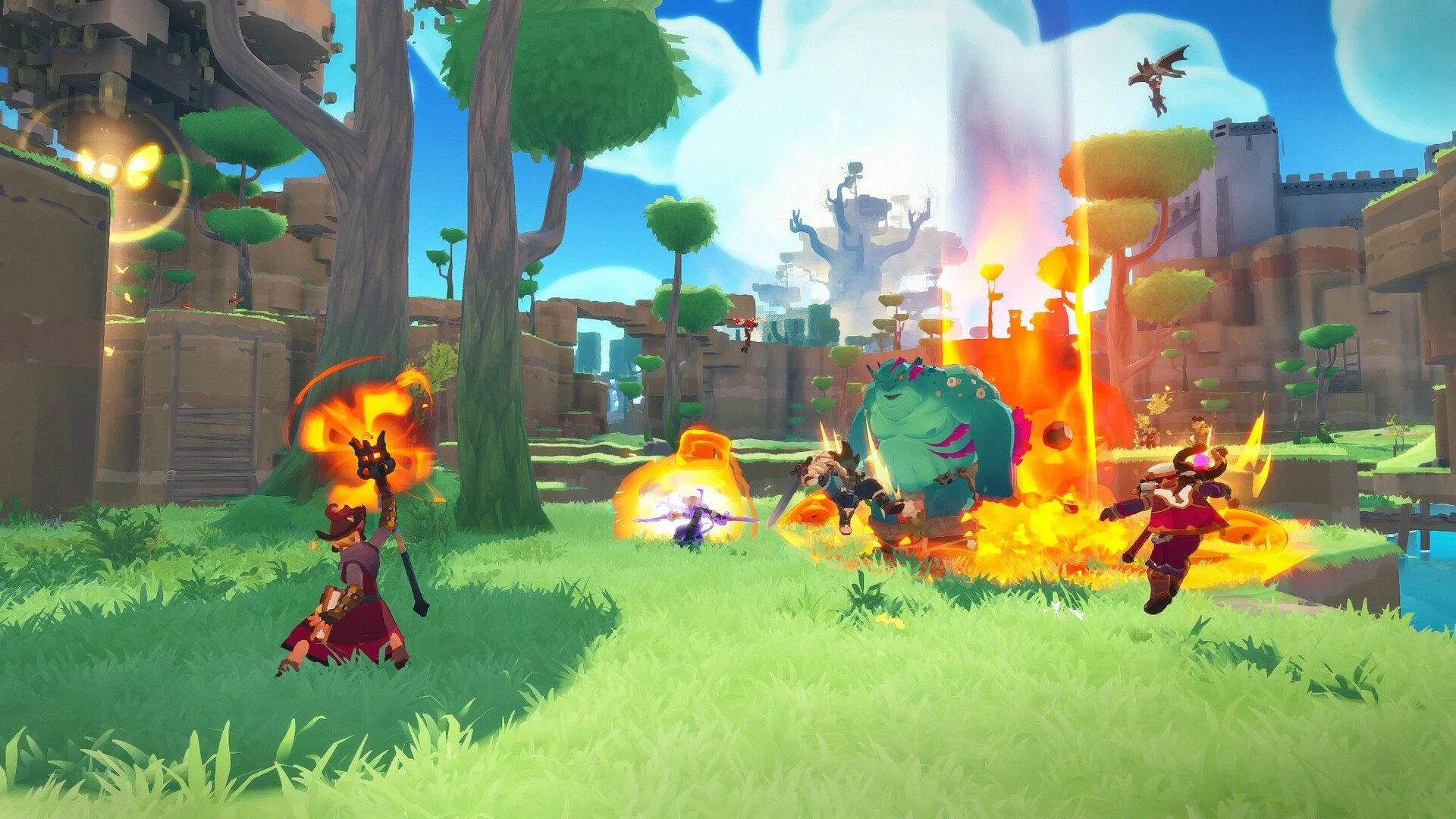
Weapons in Farever are one of the main parts of character building, with each weapon bringing its own moveset, 4 unique skills, class compatibility, skill leveling, and long term value through the Arsenal system. The system is built around keeping weapons useful beyond the first upgrade, which makes weapon choice more about playstyle, skill value, and build fit than simple stat swapping.
For the full early access guide list, use the Farever guides hub.
Jump To
How Weapons Work In Farever
Weapons in Farever each have their own moveset and 4 unique skills, making weapon choice a major part of a character's playstyle instead of a short term gear swap.
The key idea is that weapons are not disposable stat sticks. A weapon changes how the character fights, what skills are available, and how a build can be shaped over time. That makes the weapon system much closer to a build foundation than a normal loot treadmill where an item gets replaced the moment a bigger number drops.
Farever includes many weapon types, including Sword, Great Sword, Dual Swords, Axe, Dual Axes, Great Axe, Mace, Great Mace, Dual Maces, Spear, Daggers, Bow, Scepter, Staff, Book, Shield, Fists, Thrown, Halos, Crescent, and Capture Net. That range gives each class room to lean into damage, defense, reach, magic, support, or hybrid setups depending on weapon compatibility.
Each weapon is designed with its own identity. Even weapons that share the same general type can play differently. Two weapons in the same category are not automatically identical copies with slightly different numbers. They can have different skill sets, which means the weapon type only tells part of the story.
That is the part that makes Farever's weapon system worth paying attention to early. A stronger weapon is good, obviously, because numbers remain undefeated in RPGs. But the real decision is whether the weapon's moveset and skills fit the role, class, and build being played.
Warrior players should pay extra attention to Great Sword, Axe, Spear, Great Mace, and Shield, since those are the weapon types connected to the class. For the class specific breakdown, use the Farever Warrior weapons guide for the best Warrior weapon picks and how each option fits the class.
All Weapon Types In Farever
Farever has 21 currently known weapon types in Early Access. The full weapon type list includes Sword, Great Sword, Dual Swords, Axe, Dual Axes, Great Axe, Mace, Great Mace, Dual Maces, Spear, Daggers, Bow, Scepter, Staff, Book, Shield, Fists, Thrown, Halos, Crescent, and Capture Net.
| Weapon Type | General Combat Role |
|---|---|
| Sword | Standard melee weapon type with a balanced physical role. |
| Great Sword | Heavy melee weapon type built around stronger physical hits. |
| Dual Swords | Faster melee weapon type for aggressive close range pressure. |
| Axe | Physical melee weapon type with strong damage value. |
| Dual Axes | A more aggressive axe style with a dual weapon identity. |
| Great Axe | Heavy axe weapon type built for bigger melee pressure. |
| Mace | Blunt melee weapon type with a sturdier combat feel. |
| Great Mace | Heavy blunt weapon type for slower impact focused play. |
| Dual Maces | Dual blunt weapon type with a more aggressive melee identity. |
| Spear | Reach focused weapon type for safer spacing and controlled melee pressure. |
| Daggers | Fast melee weapon type for quick close range damage. |
| Bow | Ranged weapon type for attacking from distance. |
| Scepter | Magic leaning weapon type that supports caster or utility play. |
| Staff | Magic focused weapon type often suited to spell based setups. |
| Book | Magic or support leaning weapon type with a skill driven identity. |
| Shield | Defensive weapon type for sturdier front line builds. |
| Fists | Close range weapon type for direct melee pressure. |
| Thrown | Ranged or hybrid weapon type with a different attack rhythm from bows. |
| Halos | Unusual magic leaning weapon type with a more distinct combat identity. |
| Crescent | Unusual weapon type that adds more variety to class builds. |
| Capture Net | Special weapon type that stands apart from standard damage weapons. |
This weapon type spread gives Farever more build variety than a basic sword, bow, and staff setup. Standard melee types cover the expected front line roles, while Halos, Crescents, Thrown weapons, and Capture Nets make the weapon list feel more experimental. The important part is that every type still depends on the actual weapon's moveset, 4 skills, class compatibility, and Arsenal value.
All Farever Weapons
Farever has a wide range of weapons at Early Access launch, covering standard melee choices like Swords, Axes, Maces, Spears, Daggers, and Shields, ranged or magic leaning options like Bows, Staffs, Books, Scepters, Halos, and Thrown weapons, and more unusual picks like Crescents and Capture Nets. The full list below is organized by weapon type and reflects all currently known weapons.
| Weapon | Type | Rarity |
|---|---|---|
| Glory | Sword | Rare |
| Beefury, Blessed Blade of the Farseeker | Sword | Rare |
| Light Practice Sword | Sword | Uncommon |
| Martyr of Enripit | Great Sword | Rare |
| Wingsabers | Dual Swords | Rare |
| Cheese Moon | Axe | Rare |
| Iron Fins of the Leviathan | Dual Axes | Rare |
| Judgement | Great Axe | Rare |
| Amon Ram, the Creator | Mace | Rare |
| Pocket Hive | Great Mace | Rare |
| Twin Pillars of Justice | Dual Maces | Rare |
| Gorgon Ratsay's Toothpick | Spear | Rare |
| Lady Bee's Ceremonial Stinger | Spear | Rare |
| Twin Fangs of Ratsar | Daggers | Rare |
| Rusty Knives | Daggers | Uncommon |
| Credence | Bow | Rare |
| Horns of the Wind | Bow | Rare |
| Flame of Argol | Scepter | Rare |
| Rehearsal Scepter | Scepter | Uncommon |
| Radiance | Staff | Rare |
| Book of Mi'Mizan | Book | Rare |
| Apprentice's Grimoire | Book | Uncommon |
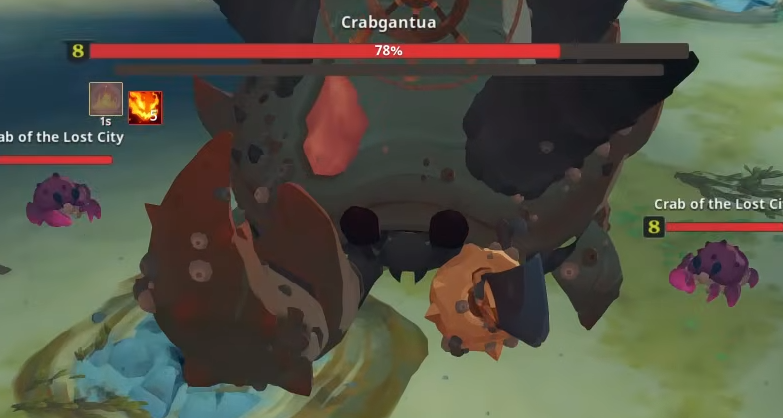
| Crabgantua's Kneecap | Shield | Rare |
| Dominion | Shield | Rare |
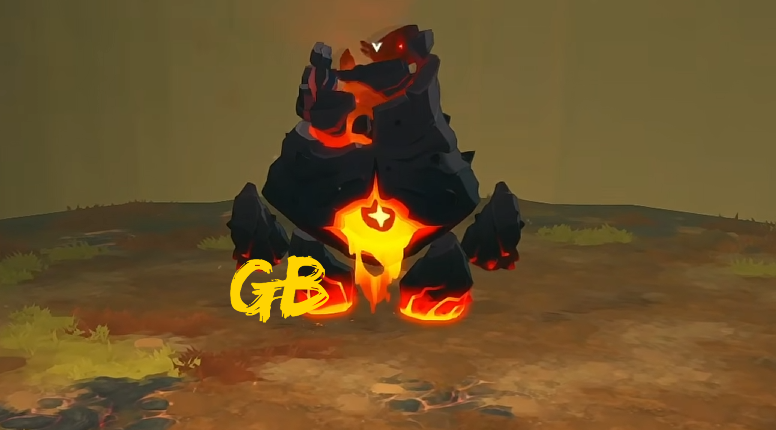
| Magma Mia | Shield | Rare |
| Rough Shield | Shield | Uncommon |
| Clawdius | Fists | Rare |
| Ramulus & Ramus | Fists | Rare |
| Ipheion, Star Blossom | Thrown | Rare |
| Ghost Clams of the Low Tide | Halos | Rare |
| Thornlace | Crescent | Rare |
| Large Butterfly Net | Capture Net | Rare |
The type variety is one of the stronger parts of the weapon lineup. Standard melee types like Swords, Axes, and Maces are expected, but Halos, Crescents, Capture Nets, and Thrown weapons give Farever a wider combat range than a basic weapon list. Each weapon still follows the same core system: its own moveset, 4 unique skills, skill leveling through use, and long term value through the Arsenal.
Weapon Skills Explained
Every weapon in Farever has 4 fully unique skills, and those skills are one of the biggest reasons to keep using a weapon after finding it.
Weapon skills are what separate 1 weapon from another. A weapon is not only chosen because it has the right type or looks good in the character's hands. It is chosen because its skill package supports a certain way to fight.
This means 2 players using the same class can end up feeling very different depending on the weapons they build around. A Warrior using a more defensive setup should not feel the same as a Warrior built around aggressive damage skills. A Cleric style support character using a staff should have a different focus than one using sword and shield for a sturdier role.
The most important thing is to judge the full weapon kit. A weapon with 1 strong skill might look good at first, but the full set of 4 skills matters more for long term play. The better weapon is the one that supports the whole build instead of only looking good during 1 button press.
How Weapon Leveling Works
Weapons in Farever level up their skills as they are used, making familiar weapons stronger and more valuable over time.
This is what keeps weapon choice from becoming a constant replacement cycle. Using a weapon does more than clear enemies. It also improves the weapon's skills, which gives long term value to sticking with a weapon that fits the build.
The practical result is simple. A weapon that feels good early can stay relevant longer if its skills are being leveled. That does not mean every old weapon should be kept forever, but it does mean replacing a weapon is not only a gear score decision. Dropping a leveled weapon for something new may also mean giving up skills that have already been improved through use.
This makes weapon commitment part of progression. The more a weapon supports the build, the more sense it makes to keep investing in it. A random upgrade can still be useful, but Farever clearly wants players to think before tossing a weapon away like it personally insulted the inventory.
What The Arsenal System Does
The Arsenal system in Farever lets a weapon be placed into an Arsenal slot so its skills can be assigned to the skill bar.
This is the system that keeps favorite weapon skills useful even when the weapon itself is no longer the best main weapon option. If a weapon has strong leveled skills, it can still matter through the Arsenal instead of becoming dead weight.
The Arsenal system also adds build variety because the main weapon and Arsenal weapon do not have to create the same setup for every player. Two players can use the same weapons and still play differently based on which weapon is equipped as the main weapon and which one is kept in the Arsenal.
That makes the Arsenal system one of the most important build tools in Farever. It connects weapon progression, skill choice, and class identity into one system. A weapon can matter because of its moveset, its 4 skills, its leveled skill strength, or how well its skills work from an Arsenal slot.
How Classes And Weapons Work Together
Each weapon in Farever can be used by 1 or more classes, and the same class can make different role choices depending on the weapon setup.
Weapon choice is flexible, but it is not completely classless. Some weapons are compatible with certain classes, and that compatibility decides who can use them. Once a class can use a weapon, the player still has room to decide how that weapon supports the build.
The staff and sword and shield example shows how important this can be. A support focused class might use a staff to improve efficiency, or use sword and shield to lean into a tank role. That does not mean every class can use every weapon in every way. It means weapon choice can push a class toward different jobs. If you are still deciding which class to build around, the Farever classes guide covers all 4 Early Access classes and how their resource systems work.
| Weapon Choice | What It Changes |
|---|---|
| Main weapon | Changes the moveset and the direct combat feel of the character. |
| Weapon skills | Adds 4 unique skills connected to that weapon. |
| Weapon leveling | Improves weapon skills through use. |
| Arsenal slot | Lets weapon skills be assigned to the skill bar from a slotted weapon. |
| Class compatibility | Decides which classes can use a weapon. |
This gives Farever builds more room than a normal class locked weapon system. Class abilities still matter, but the weapon can push that class into a more specific style.
Main Weapon Vs Arsenal Weapon
The main weapon controls the active weapon identity, while an Arsenal weapon can still contribute skills to the skill bar.
The main weapon should usually be the weapon that feels best in direct combat. Its moveset affects the basic flow of fighting, enemy control, spacing, and how comfortable the build feels during normal play.
The Arsenal weapon is more about skill value. A weapon may stop being the best main option but still have leveled skills worth keeping. Placing it in an Arsenal slot can preserve that value and let the build keep using important skills without forcing the old weapon to stay equipped as the main weapon.
This is where 2 builds can split even when they use similar gear. One player might main a weapon for its moveset and keep another weapon in the Arsenal for specific skills. Another player might flip those choices and end up with a different combat rhythm. Same ingredients, different meal, hopefully less cursed than most RPG cooking systems.
How To Choose The Best Weapon In Farever
The best weapon in Farever is the one with a moveset, skill set, class compatibility, and Arsenal value that supports the character's intended role.
Damage still matters, but the weapon's full kit matters more than a single stat line. A weapon with useful skills can be worth building around because those skills can level up and stay relevant through the Arsenal system. That makes a weapon's long term value harder to judge at a glance.
The best way to think about weapon choice is by role first. A damage focused build should look for weapons with skills that support pressure, burst, or safer enemy control. A tank style build should care more about durability, control, and weapon setups that support staying in front. A support build should look for weapons that help efficiency, survival, or utility.
| Build Goal | Weapon Priority |
|---|---|
| Damage | Strong skill package, comfortable moveset, and good payoff from repeated use. |
| Tank role | Weapon choices that support control, survival, and front line play. |
| Support role | Weapons that help efficiency, safety, healing support, or group value. |
| Hybrid build | Main weapon and Arsenal weapon combinations that cover more than 1 job. |
The wrong way to choose is by treating every new weapon as automatically better. Farever's system gives weapons more identity than that. A new weapon may have better raw value, but an older weapon with leveled skills and strong Arsenal use can still be part of the better build. This will matter even more once Farever's planned PvP modes arrive, since player opponents will punish weak weapon setups in ways that PvE enemies simply do not.
Common Weapon Mistakes In Farever
The biggest weapon mistake in Farever is replacing weapons too quickly without checking their skills, class fit, and Arsenal value.
A weapon should be judged by more than its surface upgrade potential. Since every weapon has 4 unique skills and those skills can level up through use, dropping a weapon too fast can waste progress or remove a key part of the build.
Another mistake is ignoring the Arsenal system. The Arsenal is made for situations where a weapon's skills still matter even if the weapon is no longer the best main option. If a weapon has useful leveled skills, putting it into an Arsenal slot may be better than abandoning it completely.
Class fit is another easy problem. A weapon can be used by 1 or more classes, but the better question is what role it supports for that class. A weapon that looks good for damage may not fit a tank plan. A staff might make more sense for efficiency, while sword and shield can support a sturdier role.
| Mistake | Better Play |
|---|---|
| Only checking raw weapon strength | Check moveset, 4 skills, class fit, and Arsenal value. |
| Replacing a leveled weapon too fast | Consider whether its leveled skills still help the build. |
| Ignoring Arsenal slots | Use Arsenal slots to keep valuable weapon skills available. |
| Assuming same weapon type means same playstyle | Check the actual skill set because weapons of the same type can play differently. |
| Picking weapons without a role goal | Choose weapons based on damage, tanking, support, or hybrid needs. |
Final Blurb
Farever's weapon system is built around long term identity instead of fast throwaway loot. Each weapon has its own moveset, 4 unique skills, and skill leveling through use, which makes the right weapon choice a real build decision. The current weapon types include Sword, Great Sword, Dual Swords, Axe, Dual Axes, Great Axe, Mace, Great Mace, Dual Maces, Spear, Daggers, Bow, Scepter, Staff, Book, Shield, Fists, Thrown, Halos, Crescent, and Capture Net.
The Arsenal system is what pulls the whole idea together. A weapon can stop being the best main option and still keep value through its skills. That means the best builds will likely come from smart weapon pairing, not just grabbing the newest item and calling it strategy. Very brave. Very loot goblin. Not always correct.