Hell Let Loose: Vietnam All Roles Guide
Choosing a role in Hell Let Loose: Vietnam is less about finding the strongest class and more about deciding what responsibility you want to carry for the next part of the match. Some roles can concentrate on fighting, while others are expected to build spawn points, mark targets, manage a vehicle crew, support an indirect-fire team, or coordinate several squads at once.
The game divides its roles across Command, Infantry, Armor, Recon, Mortar, and Helicopter units, with availability limited by the squad you join. That means an infantry unit cannot simply stack whichever class is currently useful, and because a regular squad only holds up to six players, it will never have every possible infantry tool available at the same time.
Jump To Section:
How Roles Work
How To Choose The Right Role
Command And Infantry Roles
Armor Roles
Recon Roles
Mortar Roles
Helicopter Roles
Best Roles For Beginners
When To Switch Roles
How Roles Work In Hell Let Loose: Vietnam
Hell Let Loose: Vietnam has 17 role classes divided among its six unit categories, although the complete list of battlefield jobs can appear longer when Tank Driver and Tank Gunner are separated because both are Crewman positions. Each role determines the weapons, equipment, communication channels, and team responsibilities available to that player.
Roles are also limited within individual squads. An infantry squad can carry as many as three Riflemen but only one Specialist, for example, so selecting a role prevents another squad member from occupying the same limited slot. The most useful choice is therefore not always your favorite class; it is often whichever available role covers something the other five players are currently missing.
You are not locked into that decision for the entire match. Whenever you die and return to the deployment screen, open Unit Management to select another available role and adjust its weapons or equipment. This makes the system flexible enough for a squad to respond to a tank, rebuild its defenses, restore its ammunition supply, or change its approach without leaving the unit.
How To Choose The Right Role
The easiest way to understand the role system is to separate direct-combat jobs from coordination and crew jobs. Rifleman, Machine Gunner, Grenadier, Sniper, and Tank Gunner can focus primarily on attacking whatever is in front of them, while Commander, Squad Leader, Tank Commander, Spotter, Observer, and Logistics Officer are responsible for giving information and turning it into a plan.
Medic, Engineer, Specialist, and Mortar Support occupy the middle ground. These roles still fight when needed, but their value comes from equipment or tasks that another player cannot necessarily reproduce. Picking one and then ignoring its utility effectively removes that capability from the squad, which is why a standard Rifleman can be more useful than an Engineer who never builds anything.
The remaining roles depend on a crew. A helicopter, tank, mortar, or Recon unit only works properly when its players perform complementary jobs rather than acting independently. These are good choices for an organized group, but they can feel far less effective when nobody communicates or follows the information provided by the unit’s leader.
All Command And Infantry Roles
Commander
The Commander manages the battle at the team level rather than leading a single squad through every firefight. This role communicates with Squad Leaders, monitors how the match is developing, and can call in support such as airstrikes, recon planes, and supply drops. A Commander who spends the entire match fighting on the front line is giving up the larger view that makes the role valuable.
Squad Leader
The Squad Leader turns the Commander’s broader instructions into something one infantry unit can actually follow. This player has direct communication with Command, decides where the squad should attack or defend, and can construct Garrisons and Outposts. NVA Squad Leaders can also build Tunnels, giving the faction another important deployment option that depends on its leadership roles.
Rifleman
The Rifleman is the most straightforward infantry role, but it is not completely stripped of team utility. Alongside a conventional weapon and grenades, Riflemen can carry ammunition boxes and a hammer used to help complete established defenses. It is an ideal role for learning the flow of a match because you can follow the squad without being responsible for leading it.
Medic
Medics revive downed allies and return them to full health, allowing a unit to preserve its position instead of forcing every casualty to redeploy. Depending on the available equipment, the role can also carry Medical Supplies for replenishing bandages and smoke for creating visual cover. The Medic is still capable of fighting, but chasing kills while nearby teammates remain down misses the reason the squad gave up another role slot for one.
Specialist
The Specialist is the squad’s flexible equipment role, gaining access to a broad selection of weapons, lethal items, and utility choices that includes unusual options such as the flamethrower. Its greatest strength is the ability to change loadouts as the squad’s needs change, although much of its better equipment must first be unlocked through Role levels.
Machine Gunner
The Machine Gunner controls space through sustained fire and suppression. Its light machine guns are well suited to covering an approach or preventing enemies from moving freely while the rest of the squad advances. The NVA version can also deploy an anti-air emplacement for attacking helicopters, giving the role an additional responsibility when enemy aircraft become a problem.
Grenadier
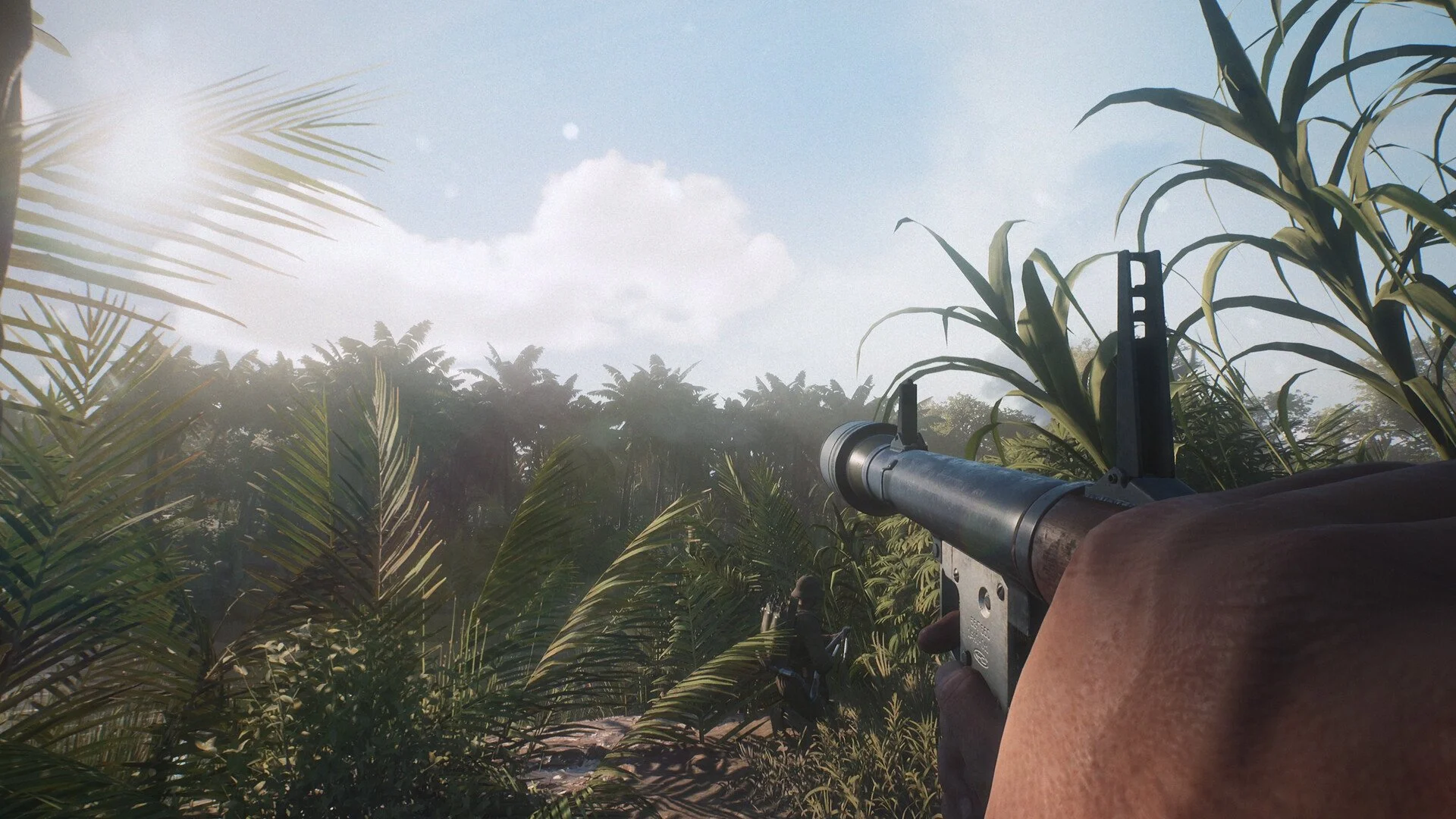
The Grenadier is the infantry squad’s answer to armor and hardened enemy positions. Its potential equipment includes rocket launchers, anti-tank mines, grenade launchers, and satchel charges, allowing the player to threaten targets that ordinary rifle fire cannot solve. Because the slot provides specialized explosive power, wasting all of its equipment on routine infantry targets can leave the squad helpless when a vehicle arrives.
Engineer
Engineers construct defenses and resource nodes, making them valuable even when they are nowhere near the top of the scoreboard. Their structures can give teammates cover, while barbed wire can redirect enemy movement and make an approach more difficult. Resource nodes also support the Commander, so the Engineer’s work can influence parts of the battle far beyond the immediate position being fortified.
All Armor Roles
Armor units separate leadership from the tank’s physical operation. The Tank Commander manages information and positioning, while Crewmen perform the driving and gunnery duties. A mechanically skilled crew can still fail quickly when these three responsibilities are not coordinated.
Tank Commander
The Tank Commander serves as the tank crew’s eyes, communicates through the Command radio channel, and uses the periscope to search for threats and targets. The role directs the Driver, calls targets for the Gunner, and stays in contact with other tank crews. It can initially feel less active than operating the weapon yourself, but good instructions determine what the tank sees, where it moves, and which target receives the first shot.
Tank Driver (Crewman)
The Driver is responsible for moving the vehicle through the terrain and following the Commander’s positioning calls. Driving is not merely holding the tank toward an objective, because the rest of the crew depends on you to place the vehicle where the Gunner can engage without exposing it unnecessarily. Consistent communication matters whenever visibility, terrain, or incoming fire makes the route unclear.
Tank Gunner (Crewman)
The Gunner operates the turret’s cannon and coaxial machine gun. It is the most direct combat position in the crew, but it still relies on the Commander to identify targets and the Driver to create a usable firing angle. This makes Tank Gunner one of the easier vehicle jobs to understand, although effective shooting cannot rescue a crew that refuses to work together.
All Recon Roles
Recon is a two-player partnership built around information and long-range pressure. The Sniper handles most of the shooting, while the Spotter connects the unit to Command and creates the conditions that allow the Sniper to operate effectively.
Spotter
The Spotter communicates with the Commander, identifies targets for the Sniper, and can fire flares that mark enemies on the map for the wider team. The role can also deploy spawn beacons in hostile sectors, allowing the Recon unit to continue operating away from friendly infantry. It is the more strategically involved half of the duo and should not be treated as a second Sniper with a different weapon.
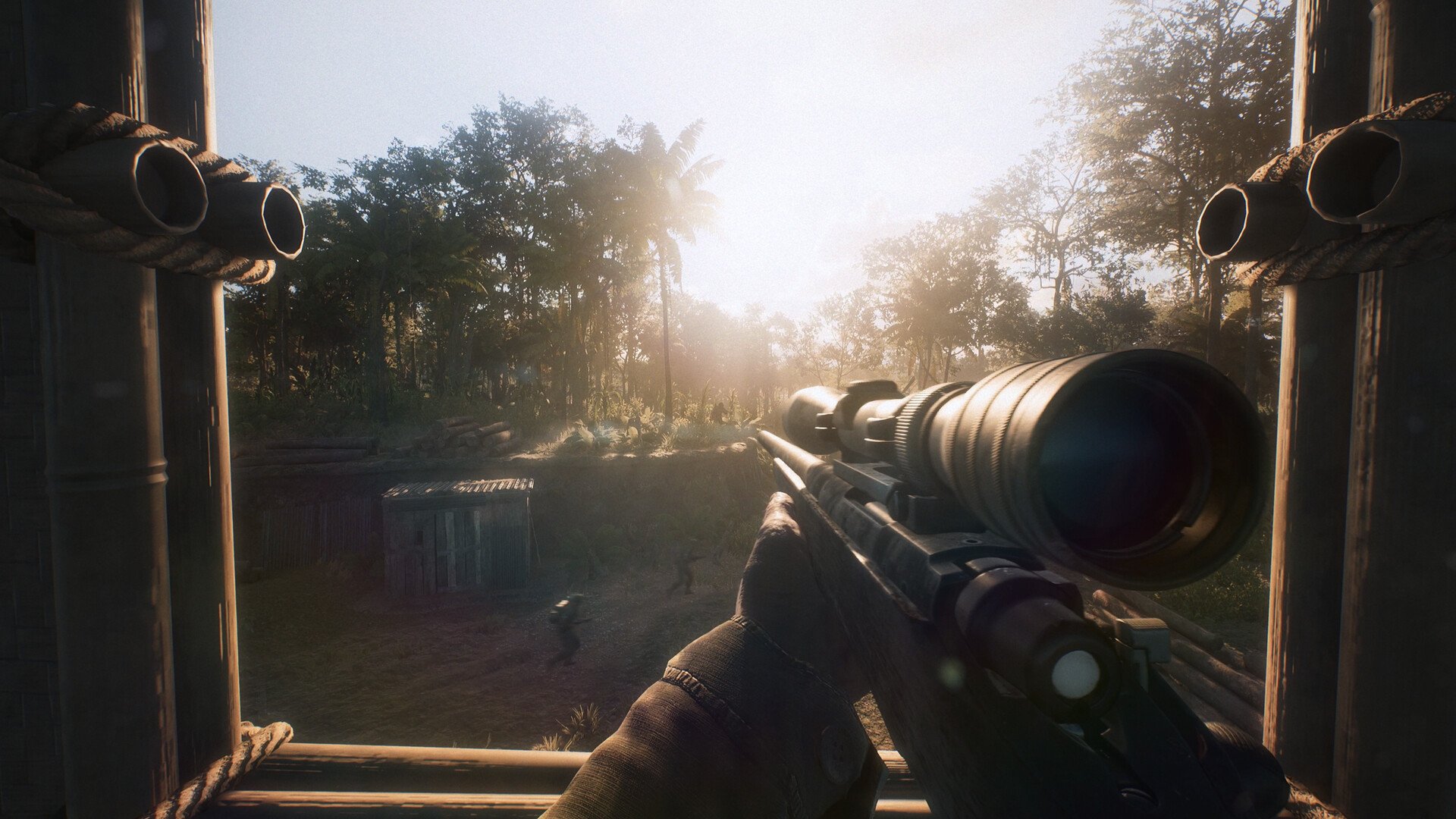
Sniper
The Sniper attacks enemies from long range and benefits most from accurate shooting, patience, and stealth. Its job is simple to describe, but its effectiveness still depends on the Spotter providing information and maintaining the unit’s position. Separating from the Spotter to hunt random targets may produce kills, but it abandons the coordination that distinguishes a Recon squad from an infantry player with a scoped weapon.
All Mortar Roles
Mortar units divide indirect fire into observation, loading support, and weapon operation. The Gunner cannot see everything being targeted, so the unit relies on accurate locations and ranges from its Observer rather than firing wherever explosions might be useful.
Observer
The Observer leads the Mortar team’s information flow by communicating with the Commander and identifying locations for the Gunner to bombard. This role can provide ranges, fire a flare gun to mark enemies, and construct structures, combining parts of the Spotter and Engineer roles. An effective Observer spends more time establishing reliable targets than standing beside the mortar and watching it fire.
Support
Mortar Support assists the Observer and helps the Gunner reload more quickly between shots. It is the least flashy position in the crew, but it keeps the barrage operating efficiently and provides another set of eyes for the unit. This role makes the most sense for someone who is comfortable enabling the Mortar team without personally controlling every shot.
Gunner
The Mortar Gunner aims, ranges, loads, and fires the weapon at locations supplied by the Observer. The destruction belongs to the Gunner, but the decision about where to place it is collaborative. Firing without clear information can waste the weapon’s potential, while coordinated ranging allows the crew to place repeated shots where the team actually needs them.
All Helicopter Roles
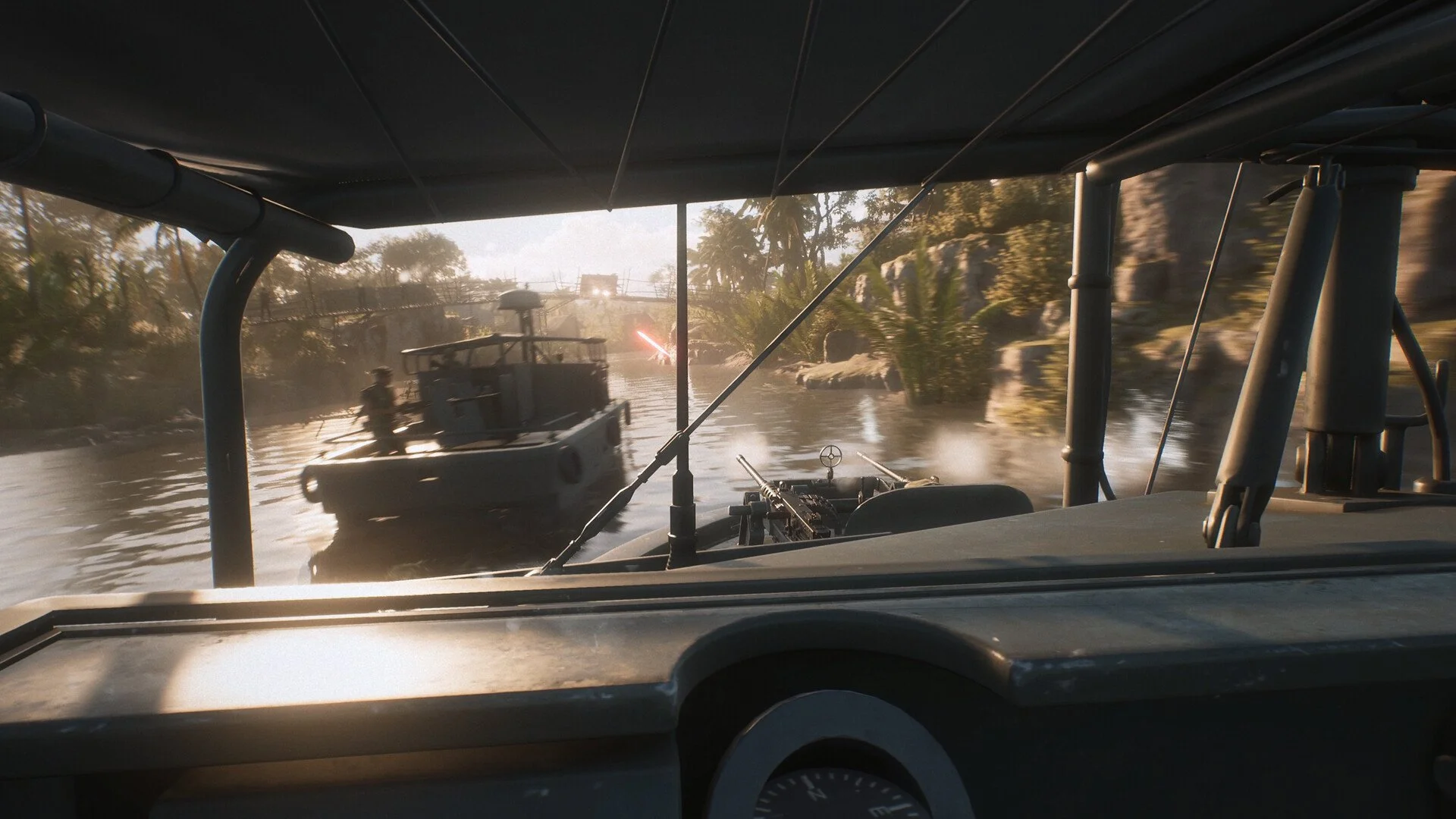
Helicopter roles are exclusive to the US faction and divide the aircraft’s responsibilities between flight and logistics. The Pilot keeps the helicopter moving safely, while the Logistics Officer coordinates with Command and determines what the transport unit needs to accomplish.
Logistics Officer
The Logistics Officer communicates with Command, plans landing routes, drops supplies, and can use flares to mark targets while inside the helicopter. Although this player does not directly fly the aircraft, the role manages the map work and planning that prevents the Pilot from making every decision while also trying to control the helicopter.
Pilot
The Pilot flies between the locations established with the Logistics Officer and is responsible for avoiding a crash that removes both the aircraft and everyone aboard it. The role can also operate an M60 machine gun to provide supporting fire, but safely transporting the helicopter remains its defining responsibility.
Best Hell Let Loose: Vietnam Roles For Beginners
The best starting roles are Rifleman, Medic, Machine Gunner, Grenadier, and Tank Gunner because each gives a new player a relatively clear immediate objective. Rifleman is the safest first selection because you can learn movement, gunplay, squad positioning, and the deployment system without controlling an important communication channel or specialized crew.
Medic adds a visible support responsibility without forcing you to plan for the entire squad, while Machine Gunner teaches positioning through suppression and Grenadier introduces vehicles and explosive equipment. Tank Gunner is the most approachable crew position because another player can handle navigation and target identification while you concentrate on operating the tank’s weapons.
I would move into Tank Commander once you are comfortable speaking to other players and want to learn a leadership role. You will need to direct only a small crew while communicating through Command, which creates a more manageable introduction to coordinated leadership than taking control of an infantry squad or the entire team.
Commander and the squad-command role require their specific tutorials, but completing the requirement does not automatically make either one a good first choice. Both positions affect other players’ deployment and decision-making, so they work better once you understand how objectives, squad movement, spawn construction, and Command communication fit together.
When To Switch Roles During A Match
A role should change when the squad’s immediate problem changes. If armor is stopping an advance, an available Grenadier becomes more useful. If a defensive position needs to be established, the squad may need an Engineer and a Rifleman capable of supplying ammunition or helping with construction. A Medic becomes more valuable when the unit is holding ground close together, while a Machine Gunner can help when enemies are repeatedly using the same approach.
You can make that adjustment after dying by opening Unit Management from the deployment screen and choosing any role that remains available. Weapons and equipment can also be changed there, which is particularly important for a flexible role such as Specialist.
The limitation is that another squad member may already occupy the role you want. Since a six-player infantry unit cannot carry every class, the best squads decide which capabilities matter for the current objective instead of treating the role screen as six independent loadout choices.
Final Blurb
Hell Let Loose: Vietnam’s roles make the most sense when viewed as responsibilities rather than conventional shooter classes. Rifleman, Medic, Machine Gunner, and Grenadier provide accessible ways to learn the battle, while Engineer and Specialist reward players who pay attention to what the squad is missing. The specialized units go even further, asking Armor, Recon, Mortar, and Helicopter players to perform one part of a larger crew.
There is no role that remains the best in every situation, because a class only becomes valuable when its equipment and responsibilities match the problem in front of the squad. Start with a straightforward combat role, listen to the unit, and switch when another job would contribute more than the one you are currently occupying.