Solarpunk Beginner Guide: Tips For Getting Started
Solarpunk is easiest to start when you treat the first few hours as a base setup phase, not a race to explore every floating island. Build water containers early, plant crops, craft the Survival Guide, gather basic materials, and start shaping a small home while your farm grows. Once water, food, and storage are stable, exploration and airship progression feel much smoother.
Jump To
Beginner Guide
Best First-Hour Route
Water Comes First
Food And Farming
Craft The Survival Guide
Start Building Early
Protect Crops From Storms
When To Explore
Co-Op Tips
Beginner Mistakes
Solarpunk Beginner Guide
The most important beginner tip in Solarpunk is to slow down and build a stable routine before pushing too far away from the starting island. This is a cozy survival crafting game, but it still has survival needs, resource gates, weather problems, and progression systems that can waste time if ignored early.
Your first goal should be simple: make sure the base can support you. That means stored water, growing food, a few basic crafting stations, and enough resources to keep building. The game opens up more once those basics are handled.
Solarpunk is not the kind of survival game where the best start is sprinting in a random direction and looting everything like a gremlin. You can do that, but it usually creates more problems than it solves. A better start is building a small working base, then exploring with a purpose.
Best First-Hour Route
The best first-hour route in Solarpunk is to handle water first, plant crops second, craft the Survival Guide, then use crop-growing downtime to gather resources and start a simple home. This gives you a strong foundation without forcing you to wait around doing nothing.
| Step | What To Do | Why It Matters |
|---|---|---|
| 1 | Choose Soft Mode if you want a cozy run. | It keeps the game relaxed and better fits the building/farming pace. |
| 2 | Build water containers. | Stored rain keeps water from becoming an early problem. |
| 3 | Plant your first crops. | Food takes time, so start the timer early. |
| 4 | Craft the Survival Guide. | It explains systems that are easy to miss. |
| 5 | Gather wood, stone, and iron patches. | These support early crafting, building, and research. |
| 6 | Start a small house or work area. | Crop downtime turns into real progress. |
Do not overbuild immediately. A small, ugly starter base is fine. The point is to create a useful space first, then make it look better once the survival loop is running.
Water Comes First
Water should be one of the first things you solve in Solarpunk. Build water containers early so rain is stored instead of wasted, especially because dry stretches can make travel and farming more annoying than they need to be.
Early water storage gives you breathing room. Without it, you can end up waiting on weather or cutting exploration short because the base is not prepared. That is a bad feeling in a game that is supposed to be calm.
Later, research the carafe and boil water with the oven. That matters more once you start traveling between islands, because stored and prepared water makes longer trips much easier to manage.
| Water Tip | Why It Helps |
|---|---|
| Build water containers early. | They store rain for dry periods. |
| Do not wait until you are thirsty to care about water. | Water is easier to manage before it becomes urgent. |
| Research the carafe later. | It helps when traveling away from base. |
| Boil water with the oven when available. | It makes water safer and more useful for longer trips. |
Food And Farming Tips
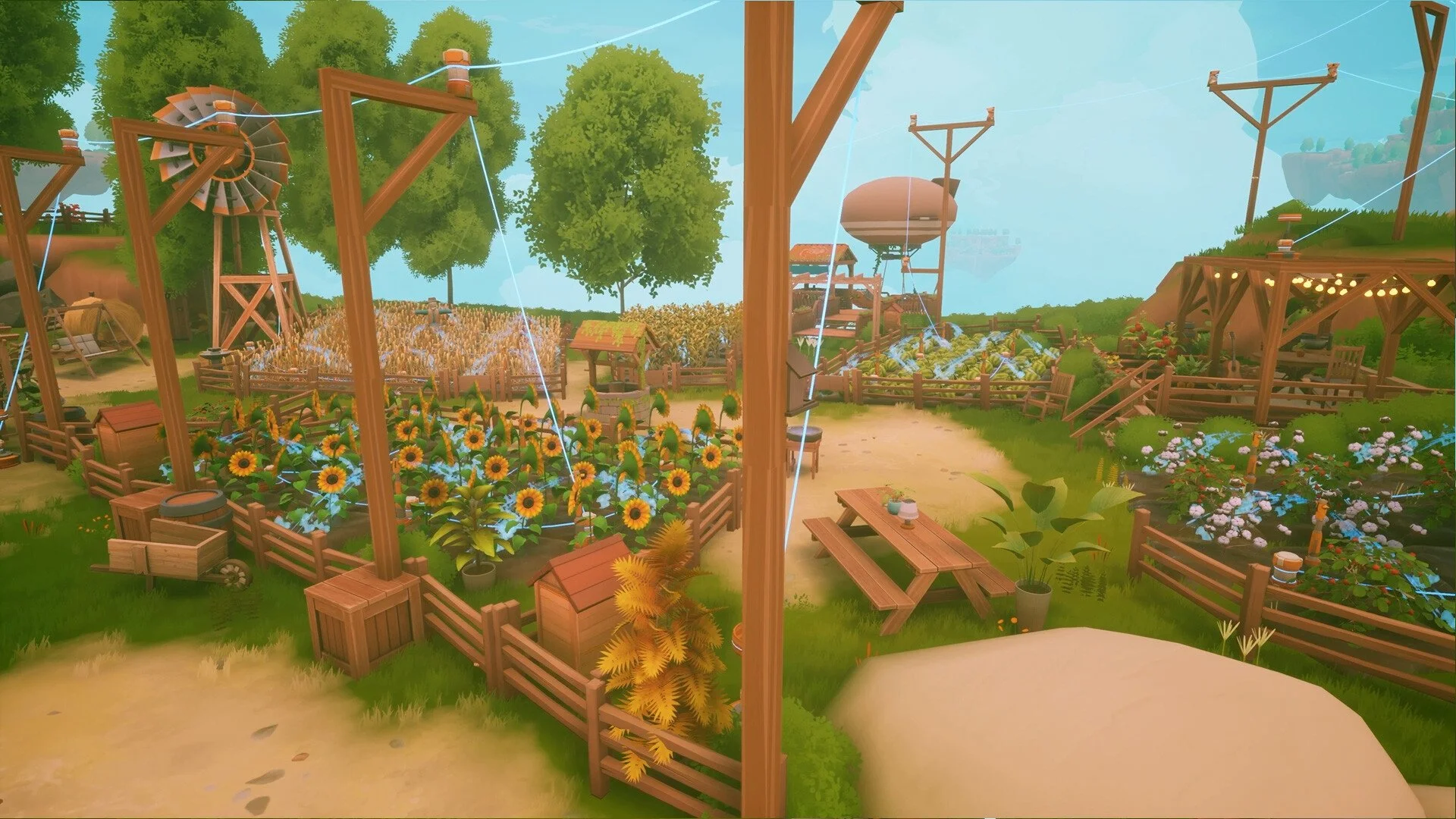
Start farming early because crops take time to grow. The sooner seeds are in the ground, the sooner food becomes part of your routine instead of something you scramble for later.
The trick is to not stare at the crops while they grow. Use that time to gather resources, build storage, decorate, craft, or improve your base layout. Solarpunk feels much better when farming is running in the background while you do other things.
Wheat is a common early confusion point. It does not grow on the starting island, so do not waste time combing every corner of your first island for it. If you need wheat, that is your sign to prepare for exploration and look beyond the starting area.
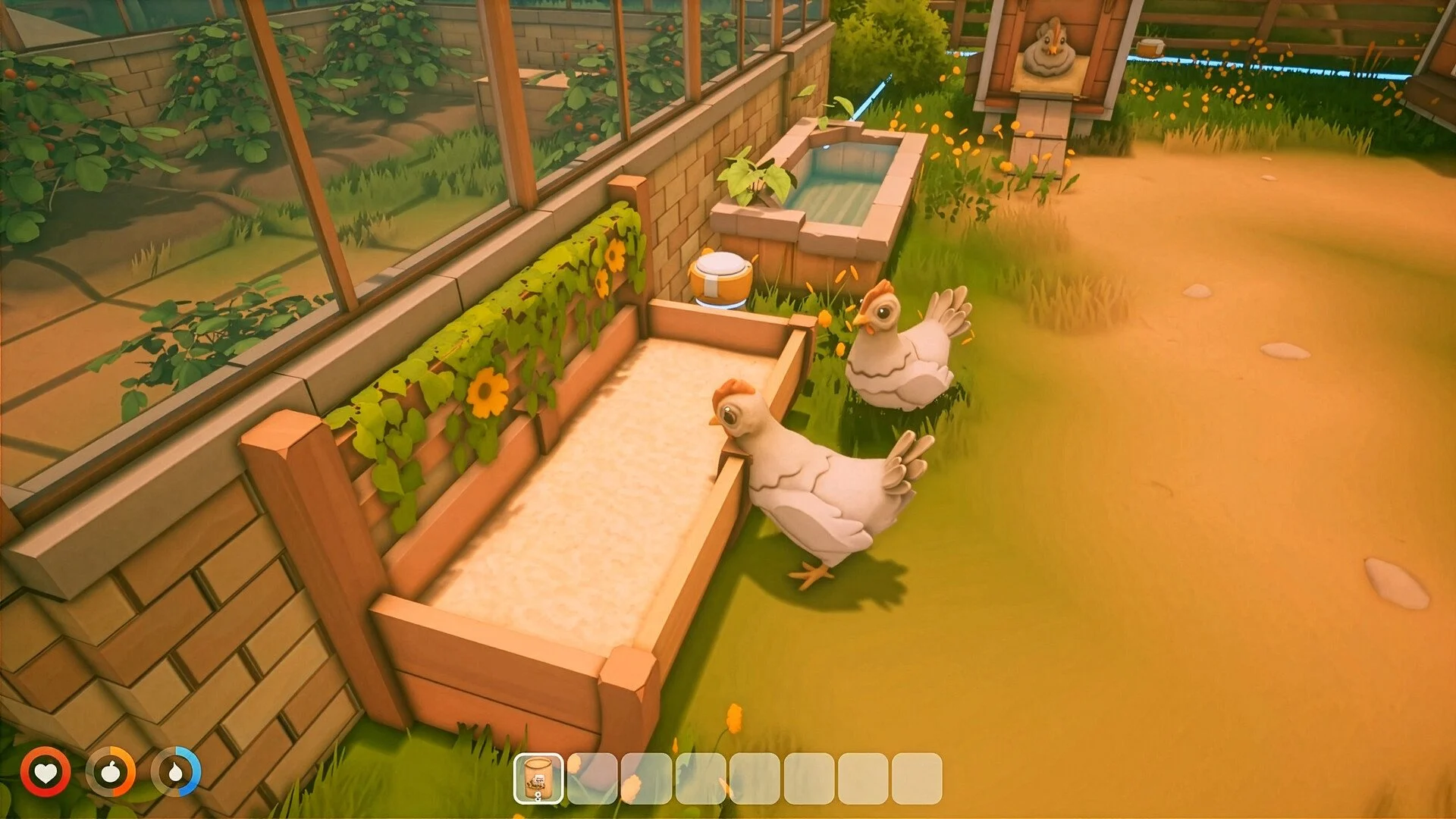
Animal products work the same way: if the game asks for something like eggs and you are not sure how to get them, check the Survival Guide. It explains systems like animal breeding instead of making you guess through trial and error.
Craft The Survival Guide Early
Craft the Survival Guide as soon as you can. It is one of the most useful early items because it explains progression systems, animal breeding, and other mechanics that are easy to overlook while you are busy building and farming.
This is especially useful because Solarpunk is not a game about constant quest markers dragging you forward. A lot of the progression comes from understanding what systems exist and what you should prepare next.
When stuck, check the Survival Guide before assuming the game is broken or that a resource is missing. Sometimes the answer is not “keep searching the starting island.” Sometimes the answer is “you are not meant to find that here yet.”
Start Building Before You Think You Need To
Building early is worth it because your base quickly becomes the center of everything. You need space for storage, crafting, farming, water, research, decoration, and eventually automation.
Start with function before style. Put down a simple house or work area, then improve it once the early pressure is gone. A clean layout helps more than a pretty roof in the first hour.
Roofs can be awkward at first, so keep the first building simple. Build a small shape, test how roof pieces connect, and expand later. Trying to make the dream house immediately is how you end up fighting the roof system instead of playing the game.
Once the basics are handled, decorating becomes more worthwhile. Solarpunk is very much about making the island feel like home, not just crafting the next tool and leaving everything in a sad pile.
Copper becomes one of the first major off-island resources, so the Solarpunk Copper guide is worth checking before you start pushing TraderBot upgrades.
Protect Important Crops From Thunderstorms
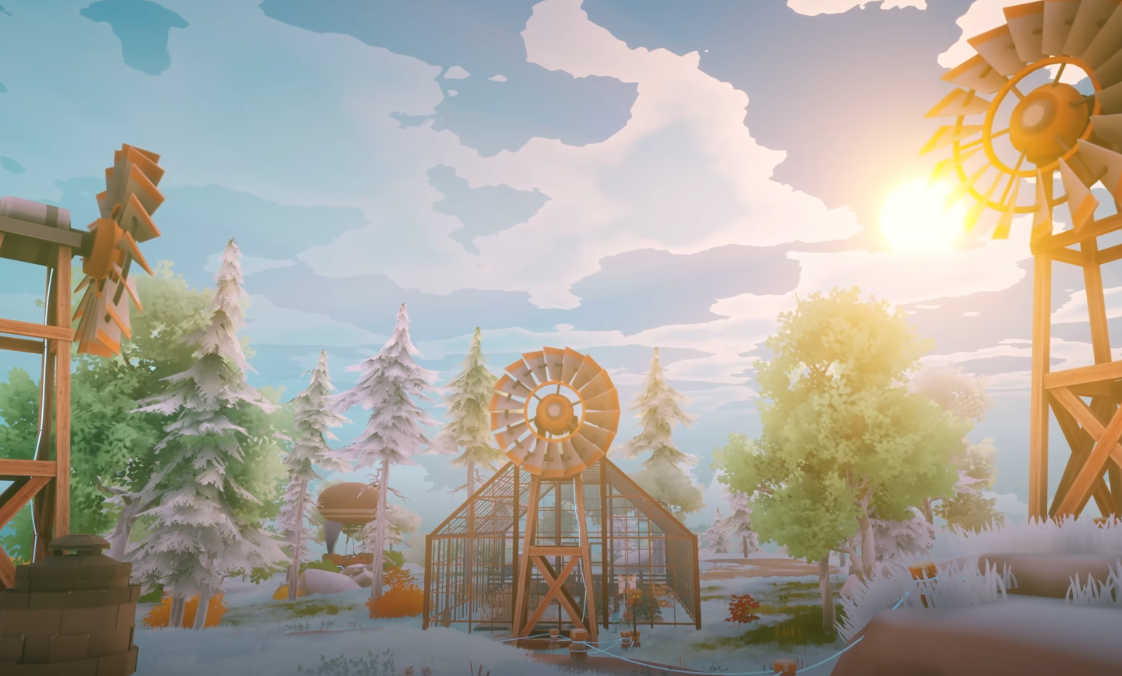
Thunderstorms can destroy plants, so important crops should eventually move into a greenhouse. This becomes more important once crops are tied to progression or harder-to-replace resources.
You do not need to panic-build a perfect greenhouse the second the game starts, but you should treat crop protection as a real upgrade. If a crop matters, do not leave it exposed forever.
A good rule is simple: basic early crops can live outside for a while, but anything you badly need for progression should be protected once greenhouse building is available. Losing random starter crops is annoying. Losing the crop you were waiting on is the kind of cozy-game violence nobody warns you about.
When To Explore New Islands
You should start exploring new islands once the starting base has water, food, and enough supplies for travel. Exploration is important, but it feels better when you leave prepared instead of desperate.
Iron patches are worth watching for while exploring. Hit iron patches with the pickaxe when you find them, because iron becomes an important early resource for crafting and progression.
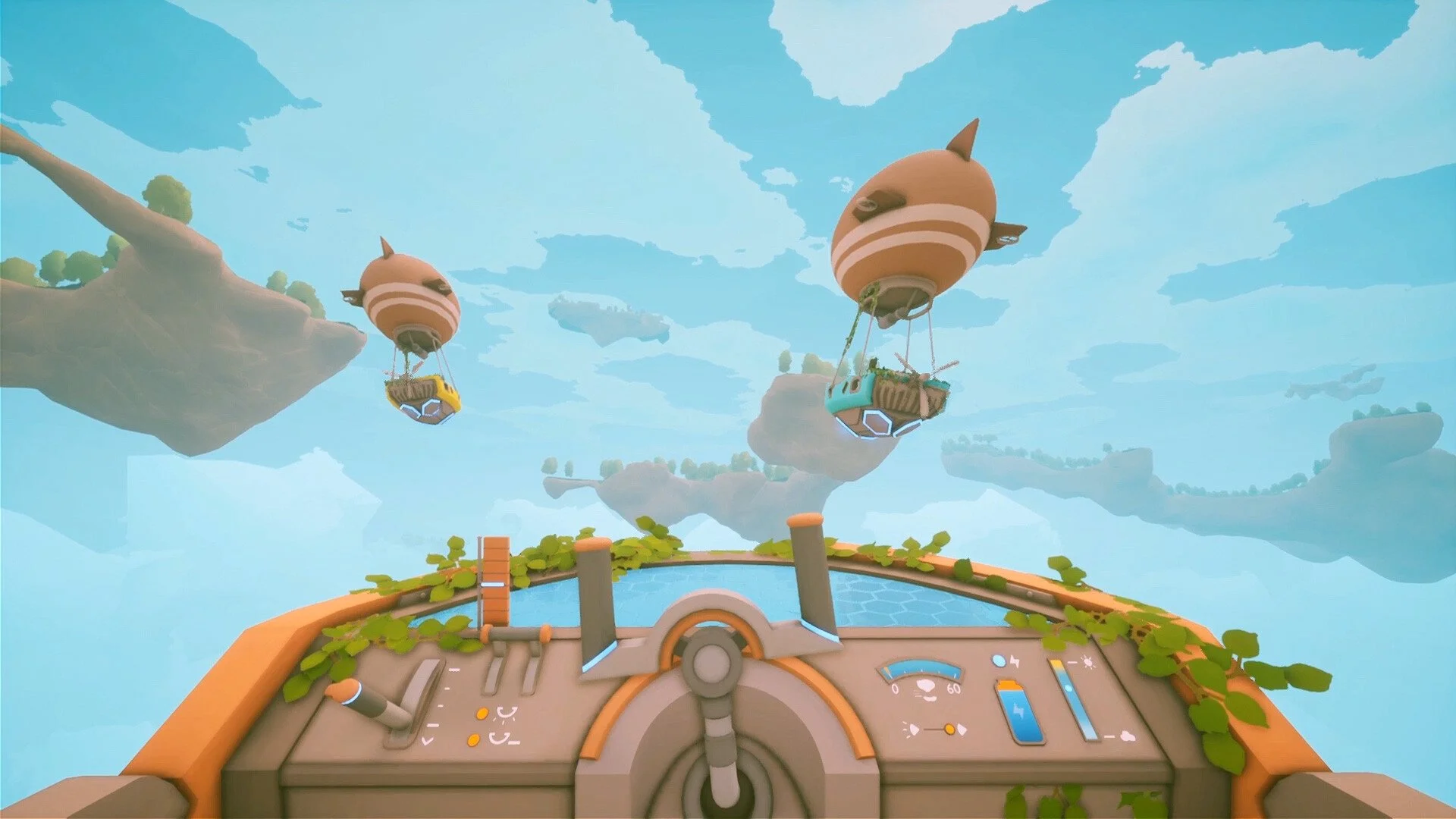
Airship progression is the big exploration step. Once you have your own airship, travel between floating islands becomes the main way to find new resources and push beyond what the starting island can offer.
Do not treat the starting island like it contains everything. It does not. Wheat is not there, and other progression resources will push you outward too. The game wants you to build a home base, then use that base to support trips into the wider world.
Co-Op Tips
To start co-op in Solarpunk, create a new world, press ESC, choose Host Game, press ESC again, and invite your friends. One player hosts the game, so this is not a public-server survival setup.
The biggest co-op detail is that airships are personal. Only the player who built an airship can use that airship, so each co-op player needs to build their own. Plan around that early instead of assuming one ship solves travel for the whole group.
Co-op works best when players split jobs. One person can focus on farming and water, another can gather materials, and another can build or push research. You do not need military-level coordination, but doing the same job badly in three different corners of the island is not exactly efficient.
| Co-Op Detail | What To Know |
|---|---|
| Hosting | Start a world, use Host Game, then invite friends. |
| Airships | Each player needs their own airship. |
| Inventory | Players have their own inventories. |
| Best approach | Split farming, gathering, building, and exploration jobs. |
Beginner Mistakes To Avoid
The easiest way to make Solarpunk feel worse is to ignore the quiet problems until they become annoying. Water, food, crop safety, and storage are not exciting, but they are what make the rest of the game smoother.
| Mistake | What To Do Instead |
|---|---|
| Ignoring water containers | Build them early so rain is stored. |
| Waiting too long to plant crops | Start farming early so food grows while you work on other things. |
| Searching the starting island for wheat | Explore other islands once you are ready. |
| Leaving important crops outside forever | Use a greenhouse to protect key plants from thunderstorms. |
| Skipping the Survival Guide | Craft it early and use it when systems are unclear. |
| Trying to build a huge house immediately | Start small, then decorate and expand later. |
| Assuming one co-op airship works for everyone | Each player should build their own airship. |
If your character gets stuck, use the Unstuck Me button. It is in Settings, then General, all the way at the bottom. It is easy to miss, but it saves a lot of irritation if you clip into something or wedge yourself into a weird spot.
Final Blurb
Solarpunk gets much easier once the early routine is stable. Build water containers, plant crops, craft the Survival Guide, gather basic resources, and use downtime to shape a small base instead of rushing off with no plan.
After that, the game opens into exploration, airships, greenhouses, animals, energy, automation, and decorating. The best beginner approach is not to rush everything. Build a sky island that actually works first, then start making it beautiful.