Improving efficiency in Moon Sweepers isn't always about buying a faster vehicle or building another machine. You can have an enormous dust hopper, several automated cleaners, and a busy factory while still making surprisingly little progress. The best way to improve your operation is to figure out where time or materials are being wasted, then fix that specific problem.
Jump To Section:
How to Measure Efficiency
Improve Cleaning Efficiency
Vehicle Speed vs. Cleaning Width
Find Factory Bottlenecks
Make Automation More Efficient
How to Measure Efficiency in Moon Sweepers
Before changing anything, decide what you're trying to improve. Cleaning the Moon faster and earning more money aren't necessarily the same objective.
A Pressure Chamber can increase the sale value of collected dust without cleaning any additional ground. Meanwhile, a vehicle might clear large areas quickly but spend too much time traveling back to unload.
I'd start with a simple 15-minute comparison using the Moon Map:
- Open the Moon Map and record your completed section count.
- Clean normally for 15 minutes without changing your equipment.
- Check the same map counter again and calculate how many additional sections you completed.
- Change one part of your operation, such as your cleaning route or vehicle suction setting.
- Repeat the measurement in reasonably similar terrain and compare the results.
For example, completing 20 additional sections in 15 minutes represents a pace of 80 sections per hour. Improving that to 25 sections gives you a pace of 100 per hour, a 25% improvement.
That's a much more useful comparison than judging efficiency by how busy your machines look.
Use the same Moon Map counter for both readings, since different displays may present completed and partially cleaned sections differently. Treat short tests as estimates rather than guaranteed long-term cleaning rates.
How to Improve Cleaning Efficiency Without Buying More Equipment
One of the easiest ways to waste time is to repeatedly travel across ground you've already cleaned.
When using handheld tools, working through nearby sections before moving farther away reduces unnecessary walking. Vehicles benefit from a slightly different approach: longer, deliberate passes across uncleared terrain, with fewer turns and less overlap.
I'd pay particular attention to sections sitting just below 100% completion. If you've already removed most of the dust from an area, finishing the remaining patches may be more useful for your completed-section count than opening another partially cleaned section.
Separate Cleaning Time From Travel Time
For one ordinary cleaning run, note how much time you spend actively removing dust versus moving between locations or returning to unload.
If a vehicle spends five minutes cleaning and another five minutes traveling, only half of that session is spent collecting dust.
You don't necessarily need a better vehicle to improve that result. A shorter route back to the Garage, or working through nearby dirty sections before making the return journey, could reduce the time spent away from cleaning.
The same principle applies to handheld equipment. Increasing container capacity can reduce packing interruptions, but only if those interruptions are actually slowing you down.
Moon Sweepers Vehicle Efficiency: Is Wider Always Faster?
Cleaning width looks like an obvious efficiency upgrade, but there's a tradeoff worth understanding.
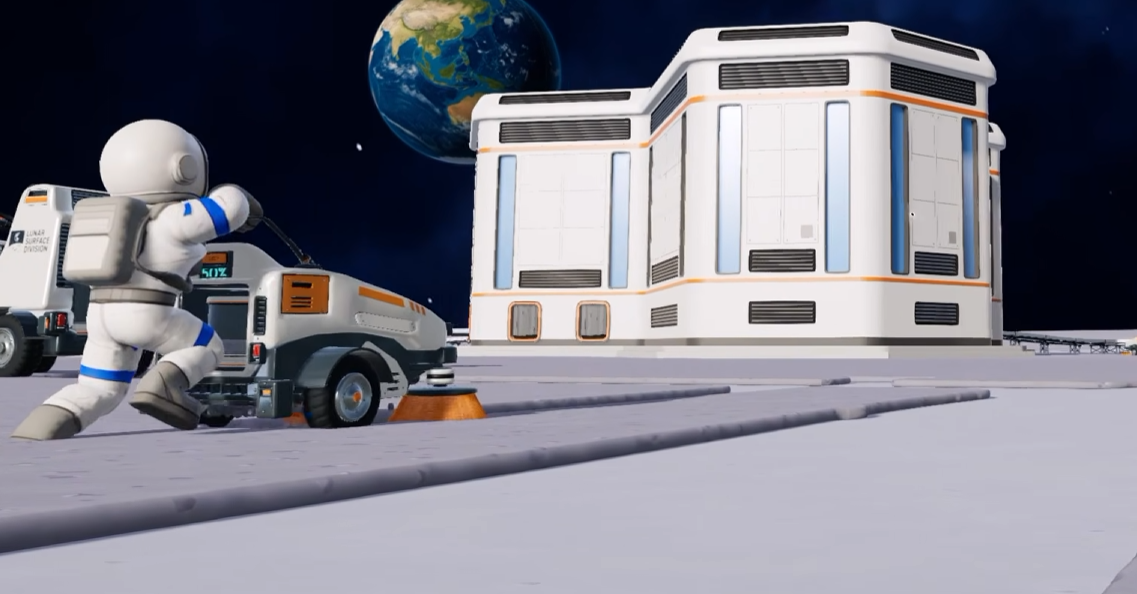
The Ride-on Sweeper's Suction Control upgrade lets you increase cleaning width while reducing sweeping speed. That means a wider cleaning strip doesn't automatically produce an equally large increase in the amount of ground cleaned per second.
Using the Ride-on Sweeper's listed Suction Control settings, we can estimate the tradeoff by multiplying cleaning-width improvement by the remaining sweeping-speed multiplier.
| Suction Setting | Width Increase | Speed Multiplier | Estimated Coverage Gain |
|---|---|---|---|
| Normal | Base width | 1.00× | Baseline |
| High | +25% | 0.85× | +6.25% |
| Max | +50% | 0.72× | +8% |
| Full | +75% | 0.60× | +5% |
These are theoretical coverage estimates, not measured in-game cleaning results. They assume the listed sweeping-speed multipliers directly affect travel across the cleaning strip, with no turns, missed dust, or overlapping passes.
The interesting result is that Full suction doesn't necessarily offer the highest raw area coverage per second. Under those assumptions, Max has a slight advantage because it sacrifices less speed.
Full may still be more convenient in places where you want fewer passes or need to cover a wider strip. I'd compare both settings on a reasonably open patch before assuming the widest option is automatically the most efficient.
For the full vehicle lineup and their starting specifications, see our Moon Sweepers All Upgrades Guide.
How to Find the Bottleneck in Your Moon Sweepers Factory
A factory can only move material as smoothly as its slowest working stage allows. When dust arrives faster than it can be processed or delivered, additional collection capacity may simply create a larger backlog.
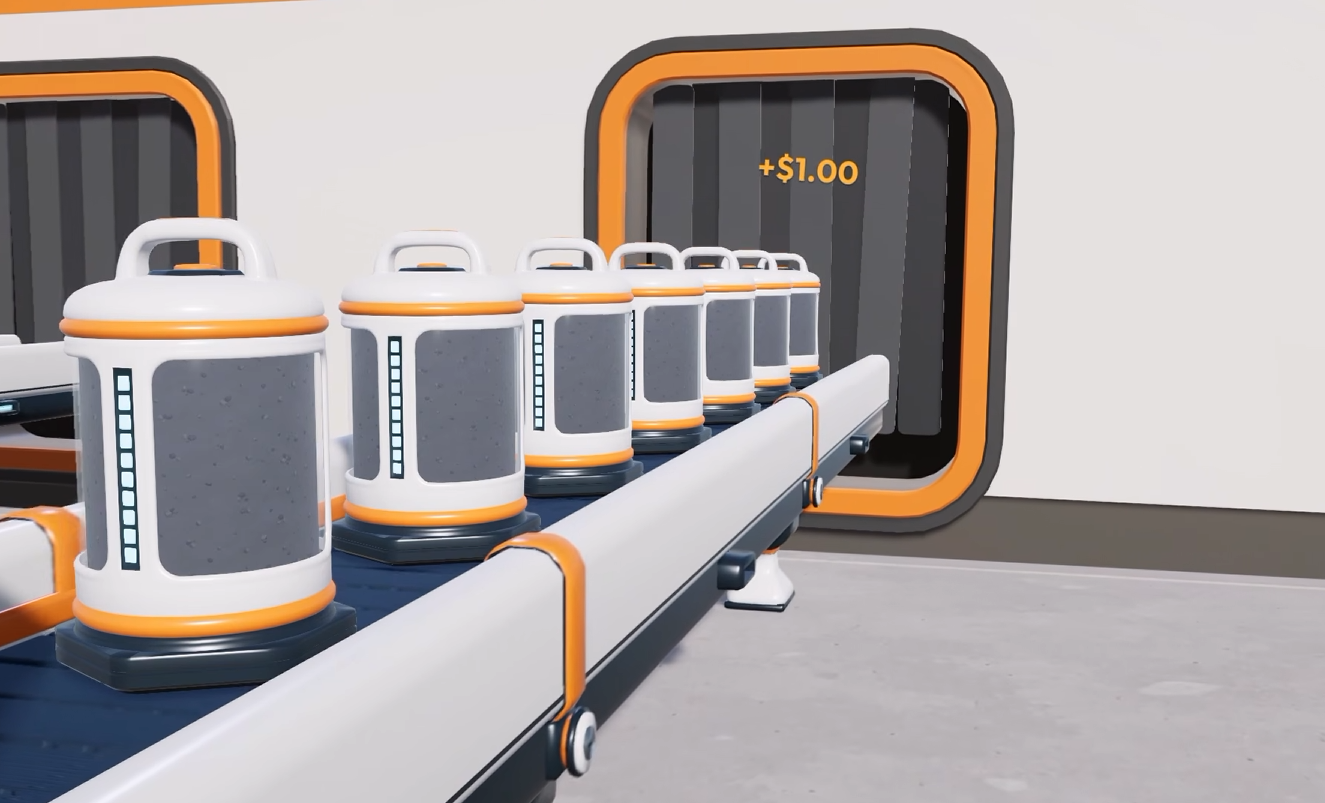
The easiest way to identify the problem is to watch where capsules begin accumulating.
| What You Notice | Where I'd Investigate |
|---|---|
| Capsules pile up before a processing machine | Machine throughput, power, and input connection |
| Machine produces material, but capsules stop farther down the line | Output conveyors and destination connections |
| Stone Press frequently waits for an ingredient | Raw dust and Moon Sand supply routes |
| Machines stop operating at night | Stored electricity and total power demand |
Know When a Machine Has Reached Its Limit
A Pressure Chamber processes up to 5 kg of Lunar Dust every 12 seconds. That works out to a maximum input rate of 25 kg per minute while continuously supplied and powered.
If your incoming system delivers 40 kg of dust per minute to one Chamber, the machine can't process all of it at that rate. In an uninterrupted example, 15 kg per minute would remain unprocessed and accumulate upstream.
That's a capacity mismatch, not necessarily a broken machine.
I'd measure how much material your existing setup can handle before investing in more collectors. Increasing the amount of dust entering an already overloaded processing line won't improve its finished output.
Check Power Before Rebuilding Conveyors
Electricity is another potential limit on factory efficiency.
A Pressure Chamber requires 10 kW and a Stone Press needs 18 kW. Running one of each requires 28 kW before accounting for any other powered equipment.
A system that works during the day but repeatedly stops overnight may lack enough stored electricity. Adding another processing machine won't solve that interruption.
Look at production as a complete chain: supplying dust, processing it, and moving finished capsules to their destination. Improving one stage only helps if the others can keep up.
How to Keep Automated Cleaners Productive
Automated cleaners save work, but only while they have something useful to clean and somewhere to send the collected dust.
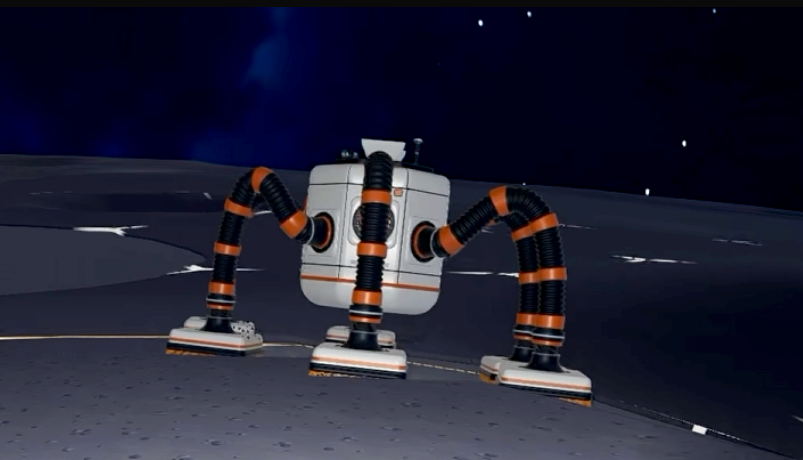
Robot Vacuums are a good example. The Mk I covers 19 hexes around its dock, while the Mk II covers 37. Once their reachable ground is clean, their productivity at that location drops because there's no fresh dust left to collect.
Placing another Robot Vacuum in an area that heavily overlaps an existing cleaner may provide little additional coverage. I'd look for a new position with mostly uncleared ground before buying more machines.
Don't Confuse More Robots With More Progress
JOONAS works differently from stationary Robot Vacuums. Following update 1.0.4, it can continue cleaning when players are far away and launches collected capsules toward the nearest Capsule Catcher.
However, the Catcher's output still needs a working route into your logistics network. If finished capsules aren't moving onward, buying another JOONAS won't address the delivery problem.
A useful check is to compare completed sections over a measured period before and after expanding automation. If the number barely increases, inspect where your existing equipment spends its time instead of immediately purchasing another cleaner.
For larger automated operations, our Moon Sweepers Late Game Guide
Efficiency in Moon Sweepers comes from improving the part of your operation that's actually holding everything else back. Measure your cleaning progress, check where dust spends time waiting, and compare results after each meaningful change. You may find that a better route, a different suction setting, or a corrected conveyor connection does more for your progress than another expensive purchase.