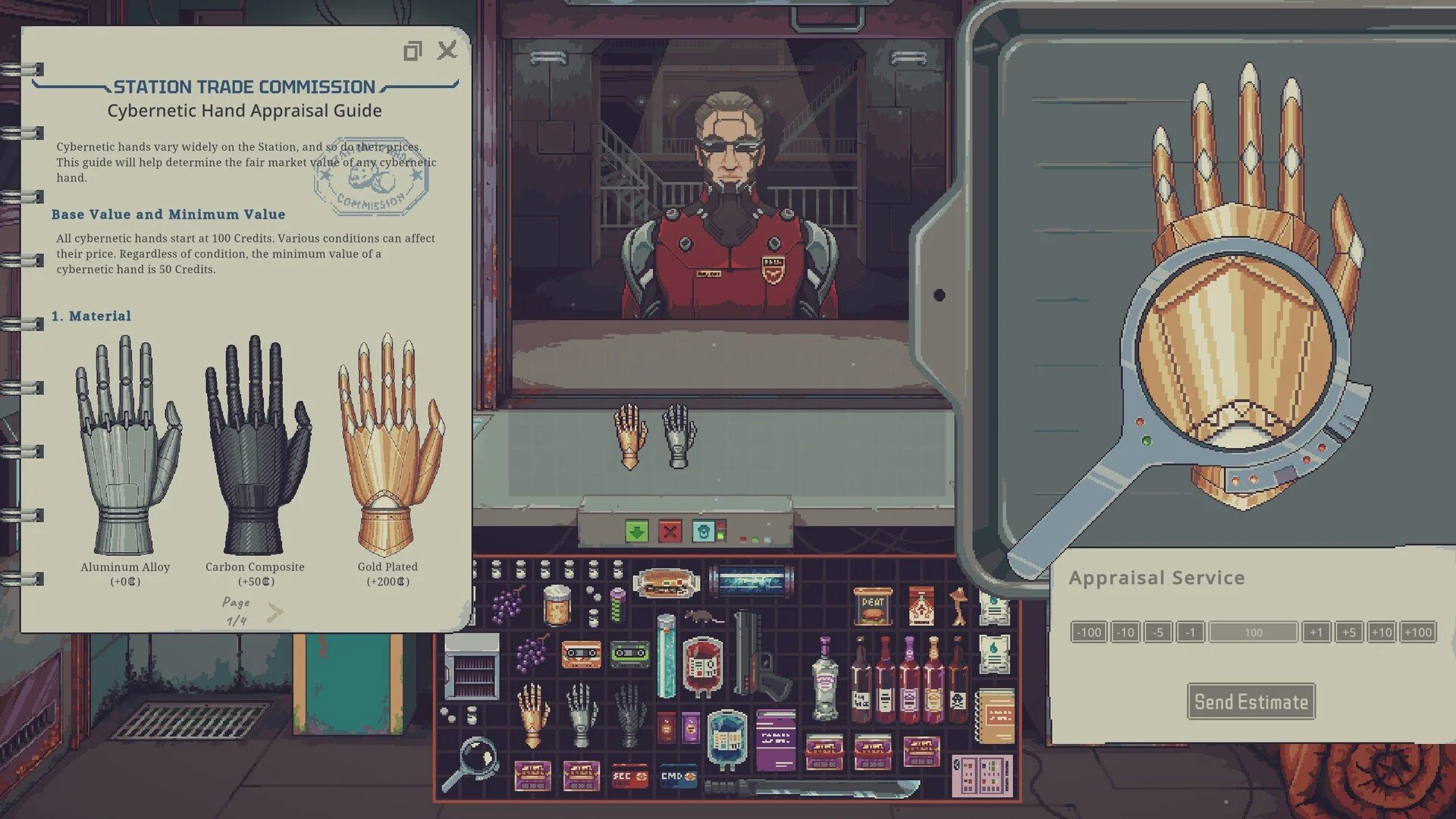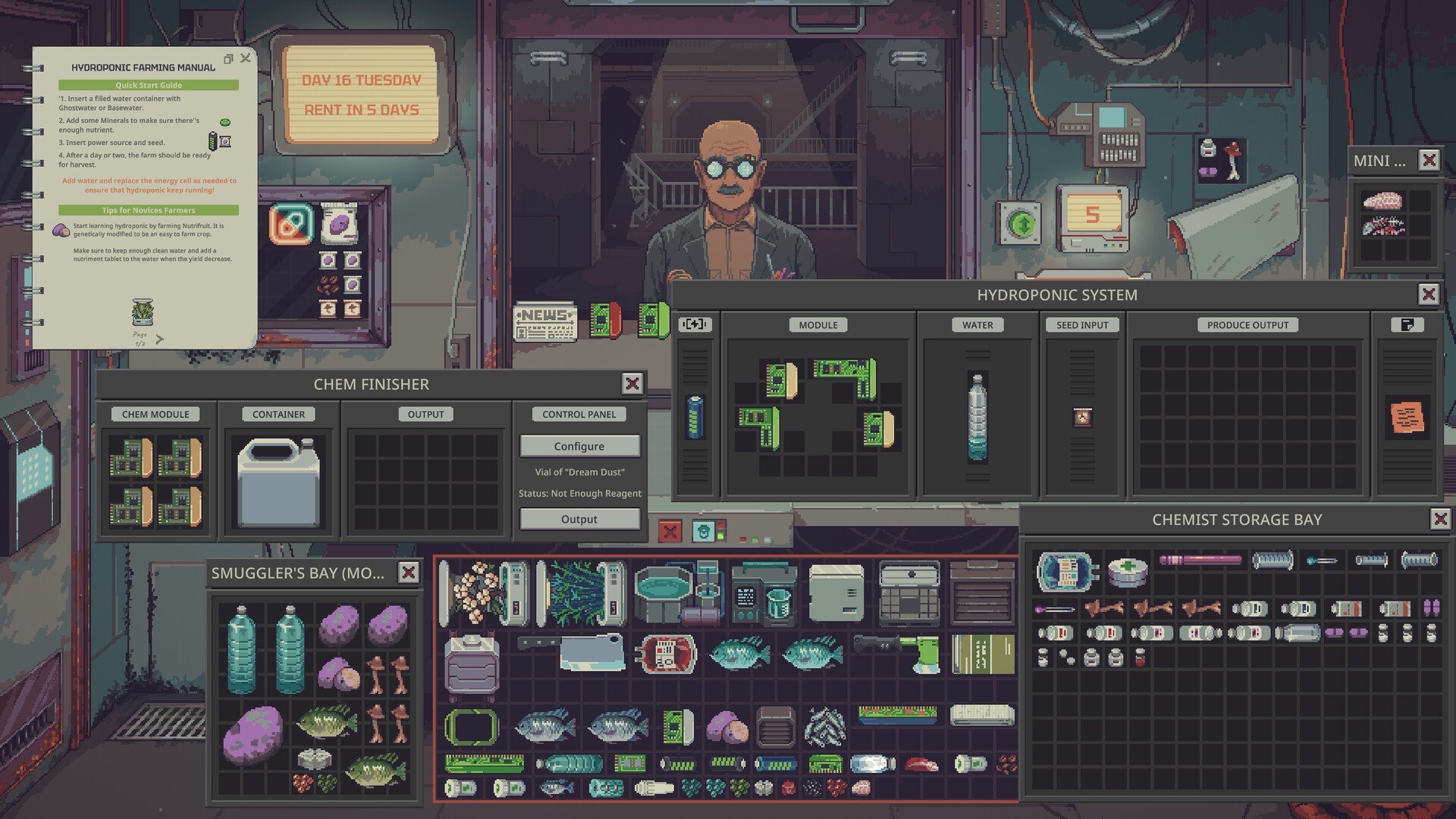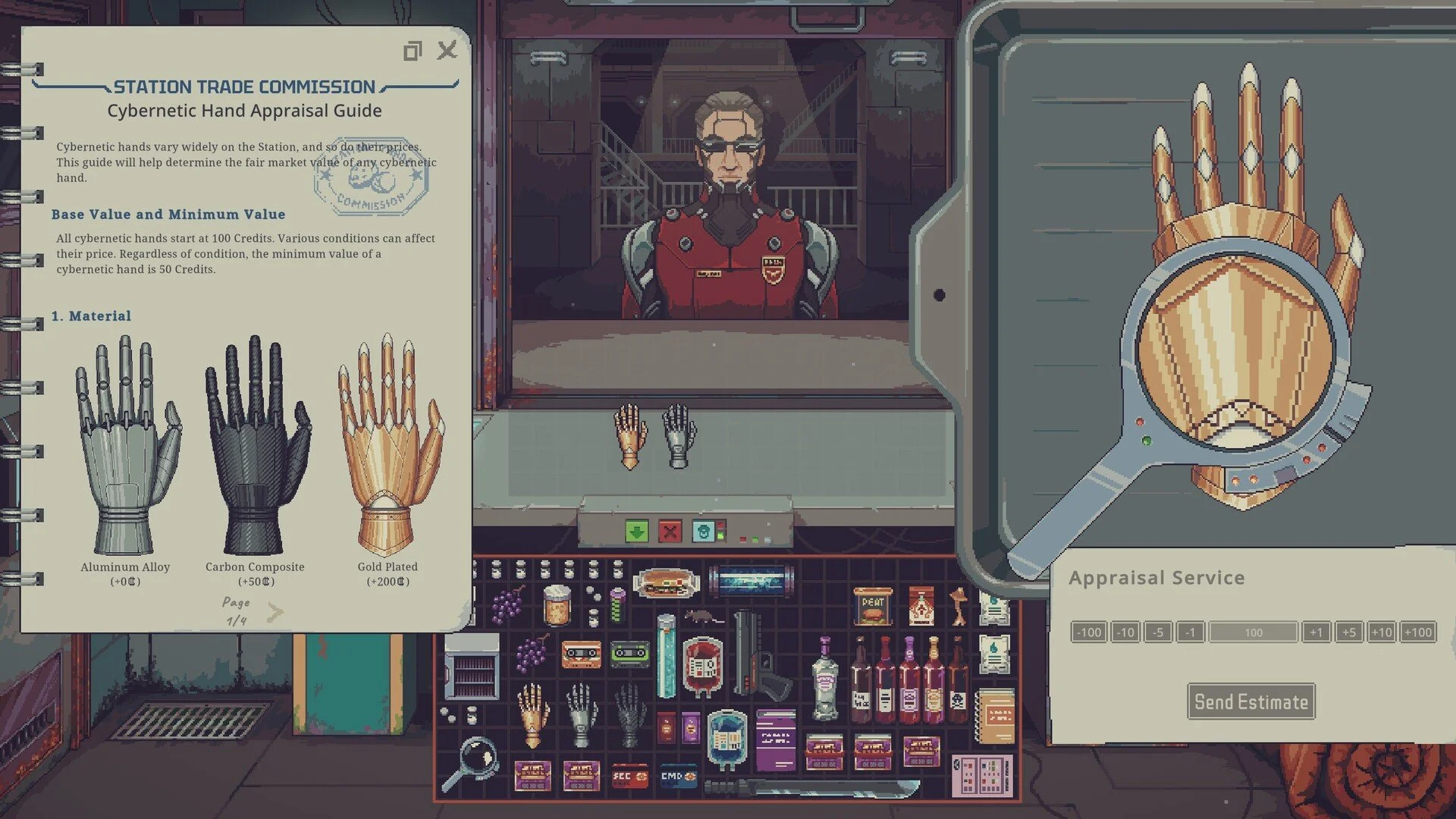
Haggling in Probably Stolen lets you negotiate the price of items you're buying or selling at the shop counter. You can offer less when purchasing goods or ask customers to pay more, but pushing too hard can cost you the deal. The best approach is to judge each transaction individually, rather than automatically choosing the most aggressive bargain available.
Jump To Section:
How to Haggle
Best Haggling Strategy
When Is Haggling Worth It?
Why Haggling Fails
How to Haggle in Probably Stolen
Haggling is handled through the negotiation options available during eligible transactions. The process differs depending on whether you're purchasing an item from someone or selling merchandise to a customer.
To haggle successfully:
- Start a transaction at your shop counter and examine the item's listed price.
- Check the item's condition and any visible price modifiers before making an offer.
- Open the available bargaining options in the trade interface.
- Choose a lower offer when buying or a higher asking price when selling.
- Review the indicated consequences and consider whether a less aggressive offer would be safer.
- Confirm the deal once the proposed price makes sense for the transaction.
Not every interaction offers identical bargaining choices, so follow the options presented by the customer you're dealing with.
Best Haggling Strategy in Probably Stolen
I'd treat haggling as a way to improve already reasonable trades, not as an opportunity to force the biggest possible discount or markup every time.
The customer's budget, your faction reputation, and the terms of the proposed bargain influence how worthwhile an offer is. A favorable price doesn't help much if the customer refuses it and the transaction falls apart.
Know When to Push for a Better Price
Different transactions call for different levels of negotiation. Here's how I'd approach three common situations:
| Situation | Suggested Approach |
|---|---|
| The original price is reasonable, but a modest improvement is available. | Consider the smaller bargain rather than risking the transaction for a much larger change. |
| The customer's budget or patience appears to be limiting the deal. | Avoid pushing for a price the customer is unlikely to accept. |
| The item is overpriced or its condition is questionable. | Inspect the merchandise and reconsider its actual value before negotiating. |
This approach is particularly useful when you're dealing with multiple customers. A slightly smaller profit on one transaction may be preferable to risking an otherwise acceptable sale.
Don't Ignore the Difference Between Buying and Selling
When buying, your goal is to reduce the amount of Credits leaving your shop. When selling, you want to increase what the customer pays without exceeding what they're willing or able to spend.
Probably Stolen also applies different bargaining effects to the two trade directions. Check the current transaction rather than assuming that a favorable buying bargain behaves exactly like a selling bargain.
Remember that an item's base value isn't necessarily its final price. Condition, purity, market modifiers, and the negotiated deal can all affect the amount exchanged.
When Is Haggling Actually Worth It?
Consider a hypothetical situation where you're selling an item for 100 Credits and have the opportunity to ask for 110 instead.
The extra 10 Credits sounds attractive, but the additional profit only matters if the customer accepts.
Imagine ten similar transactions:
- Selling all ten items for 100 Credits each earns 1,000 Credits.
- Selling nine items for 110 Credits each earns 990 Credits if the tenth customer walks away.
In this example, the higher asking price produces less immediate revenue because one sale is lost. You still own the unsold item, but you'll need another opportunity to sell it.
These numbers are hypothetical, not actual acceptance rates or a fixed haggling formula. They illustrate why a better price per item doesn't automatically mean a better overall result.
My preference would be to negotiate more carefully when the original offer already gives the shop a reasonable return. When the initial deal is poor, there's a stronger reason to push for a better price or decline the transaction.
Why Does Haggling Fail in Probably Stolen?
A rejected bargain can result from the customer's circumstances or the offer being too demanding. Customers have spending limits, and pushing an interaction too far can cause them to leave.
Reputation also matters. Your standing with a faction can influence bargaining outcomes, while certain failed interactions can damage that standing further.
Inspect Goods Before Negotiating
When purchasing questionable merchandise, inspection can give you a more concrete reason to challenge the asking price.
For instance, identifying a genuine counterfeit or a mismatch between an item's claimed and actual condition may allow you to secure a better deal. A correct confrontation can provide a 15% Good Inspection Discount.
However, confronting a seller without establishing a real problem can cost reputation. A poor guess isn't a reliable substitute for inspection.
Be Careful With Blackmail and Threaten
Blackmail and Threaten are more aggressive deal options available in certain circumstances. They aren't simply stronger versions of ordinary haggling.
Failed blackmail, unsupported threats, and accusations against innocent customers can carry reputation penalties. Some outcomes can also end the interaction entirely.
These options are best treated as separate decisions with their own risks. If you don't have a clear reason to use one, there's little sense in escalating an otherwise manageable trade.
Ultimately, good haggling in Probably Stolen comes down to understanding what an item is worth, recognizing when a customer may reject your offer, and knowing when to accept a reasonable deal. Improving your buying and selling prices consistently is more useful than chasing the biggest possible bargain on every transaction.