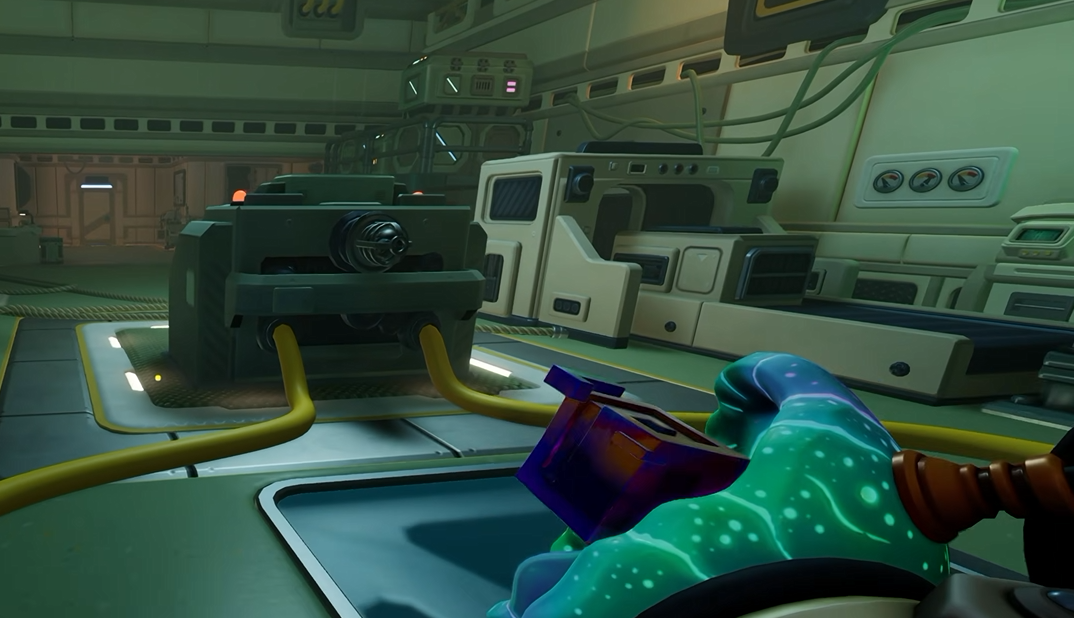
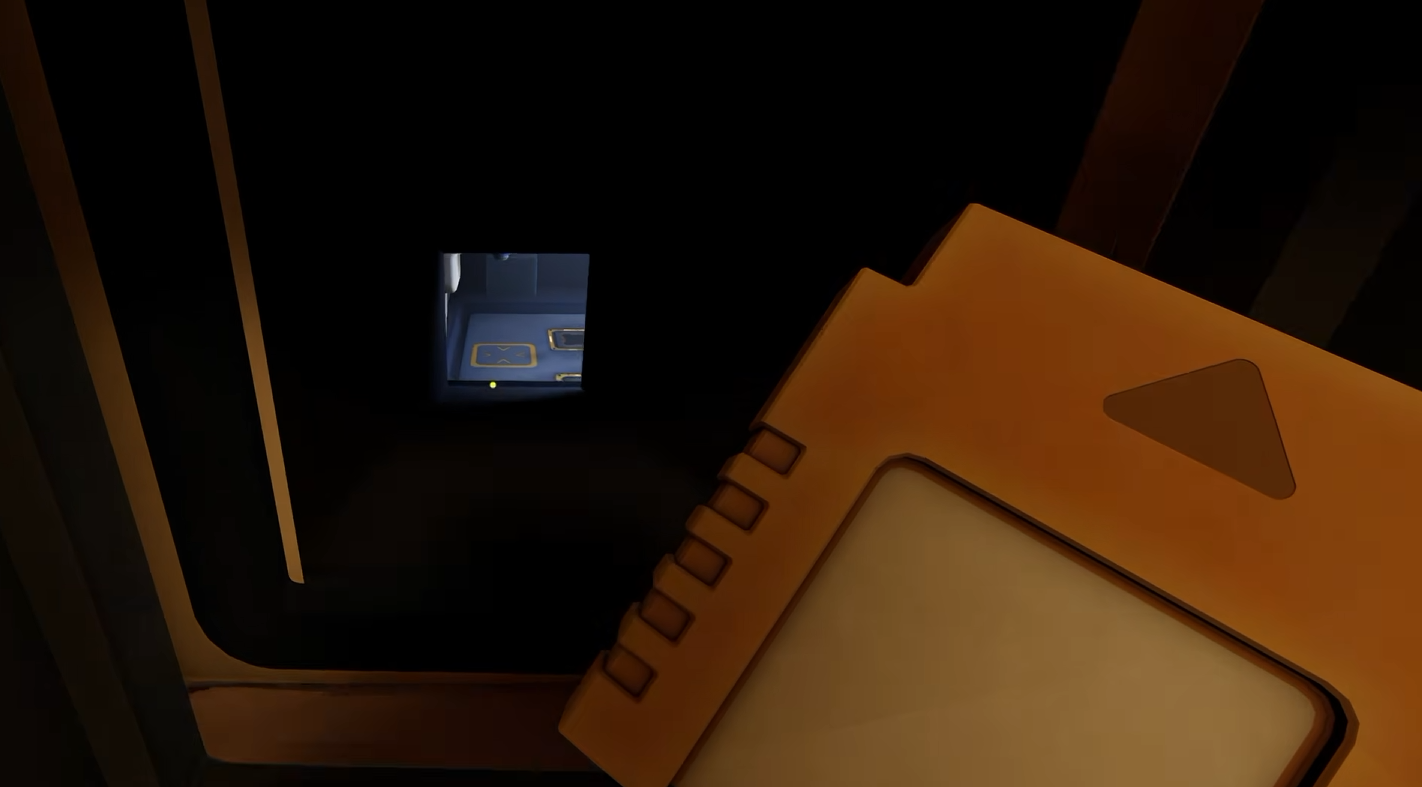
We Were Here Tomorrow Floppy Disk Puzzle Guide
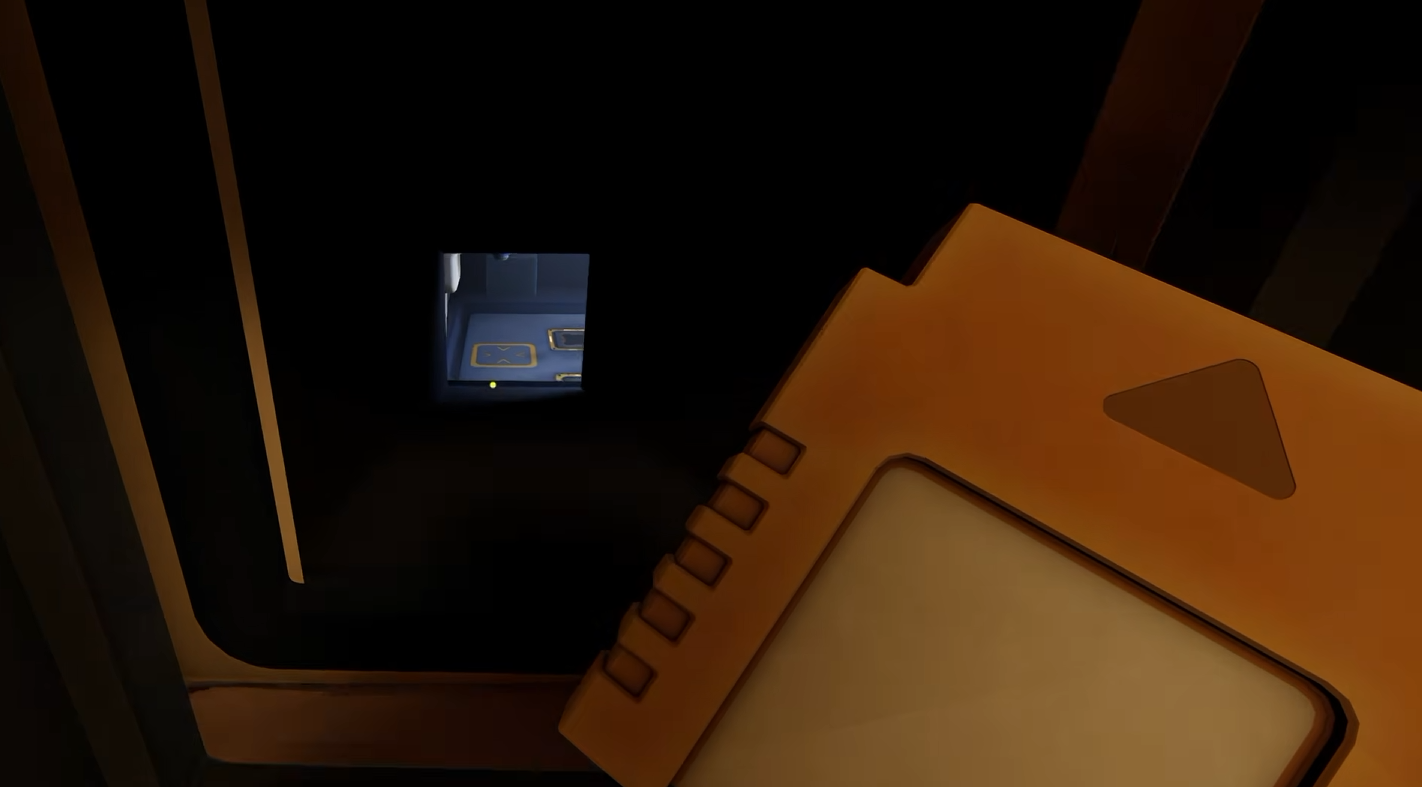
The floppy disk puzzle appears while one explorer is still moving through the miniature section of the laboratory, where two oversized computer-style doors marked 1 and 2 block the route forward. Both doors use rotating direction indicators, but the second puzzle adds diagonal positions and makes the timing considerably less forgiving if you are trying to stop each dial exactly where your partner calls it.
Jump To Section:
Floppy Disk Puzzle Solution
Floppy Disk Door 1
Floppy Disk Door 2
Why the Dials Turn Red
How to Stop the Dials Correctly
We Were Here Tomorrow Floppy Disk Puzzle Solution
To solve the floppy disk puzzle, one player needs to read the four required directions while the other controls the rotating indicators. The first floppy disk uses four 90-degree directions — up, right, down, and left — while the second expands the same idea to 45-degree increments and adds the four diagonals.
The important part is that there is no single fixed direction combination you can copy. The required orientations can change, particularly after a failed attempt, so the player with the clue display needs to read the current four directions every time you retry.
- Door 1 uses four dials that move in 90-degree increments.
- Match Up, Right, Down, or Left to the four directions shown to your partner.
- Door 2 uses 45-degree increments and adds diagonal directions.
- Read the new four-direction sequence before solving the second door.
- If a dial turns red or the puzzle resets, read the displayed directions again.
Once all four indicators on the first mechanism are correct, they register successfully and Floppy Disk Door 1 opens. Continue through that passage to find the second direction puzzle, complete its four matches, and the remaining floppy disk barrier will open toward the 3D printer section.
How to Open Floppy Disk Door 1
The first door uses four rotating indicators, each of which stops on one of the four cardinal directions. One explorer can see the target orientations, while the other is responsible for operating the dials.
Before touching anything, have the player with the display read all four directions in order. Calling out the entire sequence first gives the operator a chance to repeat it back and prevents the pair from losing track of which dial they are currently setting.
The available positions are:
- Up
- Right
- Down
- Left
Set the indicators one at a time rather than trying to rush through all four. The rotating control does not necessarily stop the instant you release it, so watch the dial's movement and account for the small delay before committing to the target direction.
When all four indicators are correct, they register successfully and turn blue. Floppy Disk Door 1 will then open, allowing the miniature explorer to move into the next section.
How to Open Floppy Disk Door 2
The second floppy disk repeats the same communication setup but increases the precision required. Instead of moving only in 90-degree steps, these indicators rotate in 45-degree increments.
That means you now have eight possible orientations rather than four:
- Up
- Upper-right
- Right
- Lower-right
- Down
- Lower-left
- Left
- Upper-left
The communication becomes more important here because “slightly up” or “kind of left” is not precise enough when two neighboring positions are only 45 degrees apart. Use the full diagonal names and keep the four directions in a fixed order.
Do not reuse the solution from Door 1. The second floppy disk has its own four-direction sequence, so have the clue player read the current display again before the operator begins moving the dials.
Once all four positions register correctly, Floppy Disk Door 2 opens and the miniature explorer can continue toward the 3D printer puzzle.
Why Do the Floppy Disk Dials Turn Red?
A red indicator means the current position did not match the required direction. Depending on the state of the puzzle, an incorrect input can also reset the sequence.
If that happens, do not immediately repeat the same four directions from memory. The target display can change after a reset, which means a sequence that was correct for the previous attempt may no longer be the solution.
The fastest recovery is to stop completely, have the clue player read the display again from the beginning, and then set each dial against the new sequence.
This is also why it is better to confirm each direction verbally rather than have one player call out all four while the other silently tries to remember them. A simple “first is upper-right” followed by “upper-right confirmed” makes it much easier to identify where a failed attempt went wrong.
How to Stop the Direction Dials Correctly
The trickiest part of the floppy disk puzzle is not understanding the directions; it is stopping the rotating indicator at the right moment.
There is a small delay between releasing the control and the indicator actually coming to rest. If you release only after the pointer looks perfectly aligned with the target, it can continue moving and settle one position too far.
Instead, watch how quickly the indicator is rotating and release slightly before the target. The first door makes this easier to learn because each position is separated by 90 degrees, while the second gives you much less room for error with its 45-degree increments.
- Work on one dial at a time.
- Release slightly before the desired direction.
- Wait for the indicator to fully stop before judging the result.
- Use exact diagonal names on Door 2.
- If the puzzle resets, reread the current target sequence before trying again.
If the miniature explorer reaches the floppy disk section and appears to be stuck at a pit or closed door, there is no hidden jump that bypasses the puzzle. Coordinate with the player outside the miniature route and complete the direction controls instead.
Both floppy disks follow the same basic idea: one explorer has the answer and the other has the controls. Door 1 teaches the timing with four simple cardinal directions, while Door 2 tests whether the pair can communicate the diagonal positions accurately enough to stop each dial where it actually needs to land.