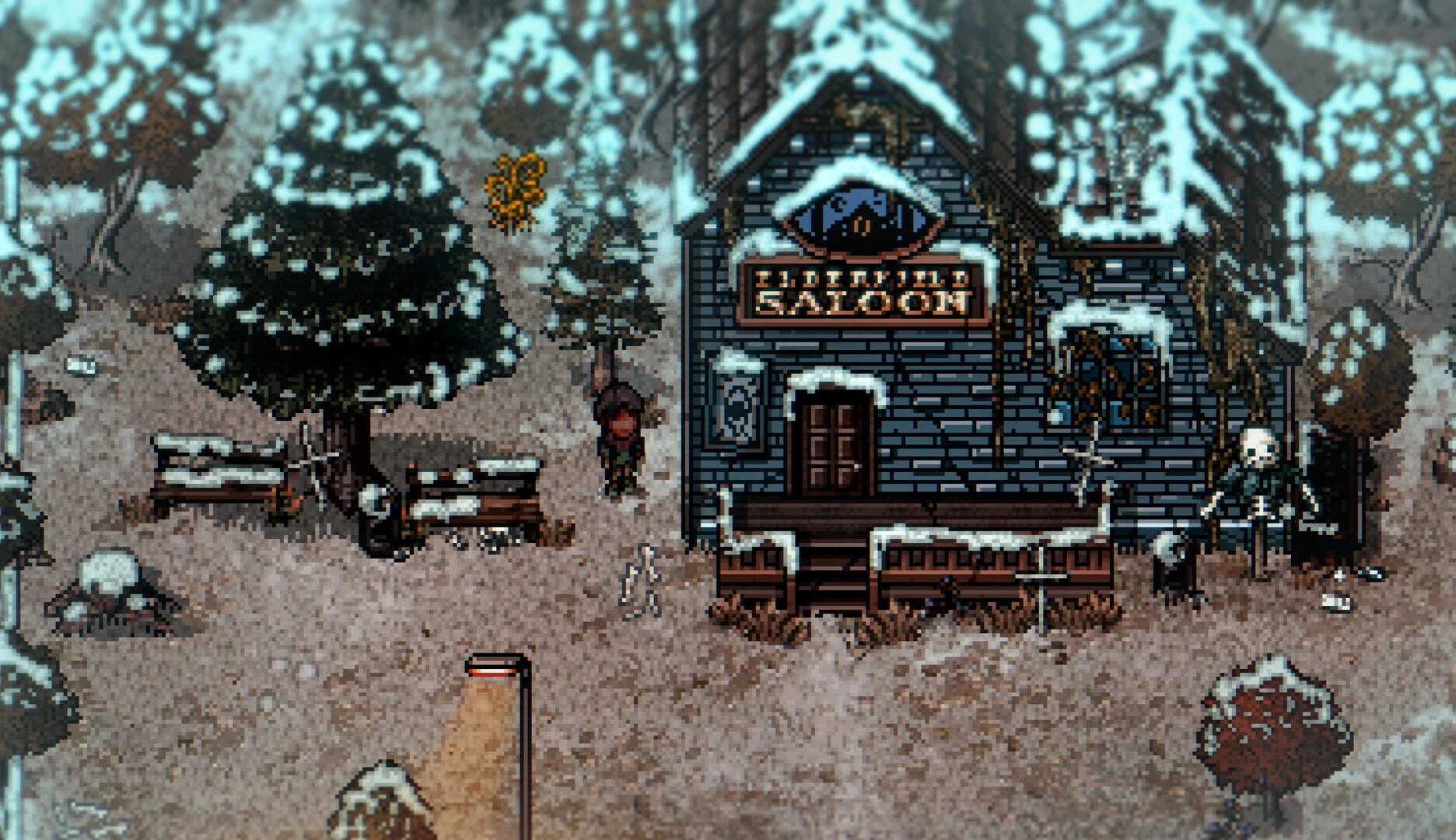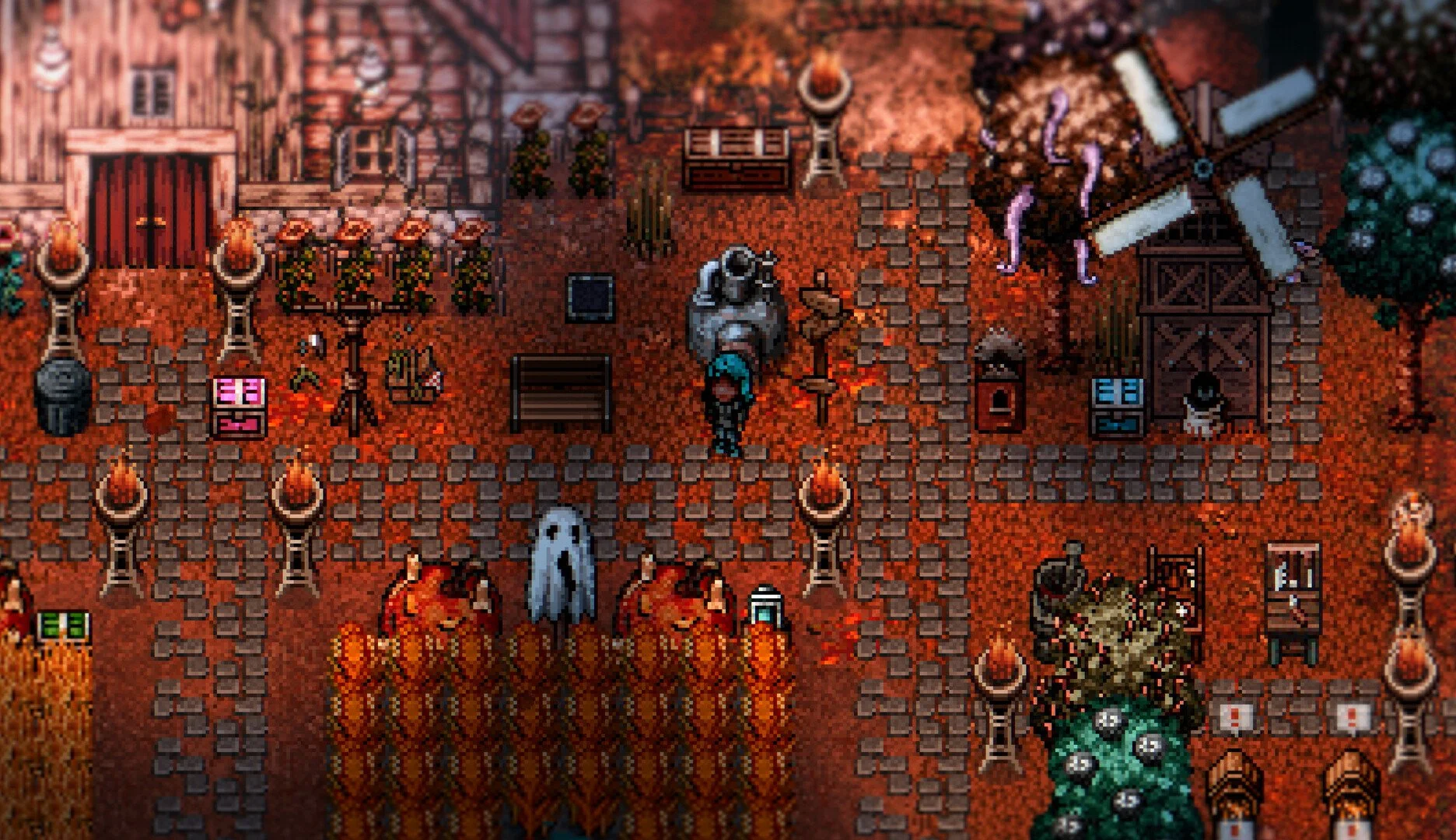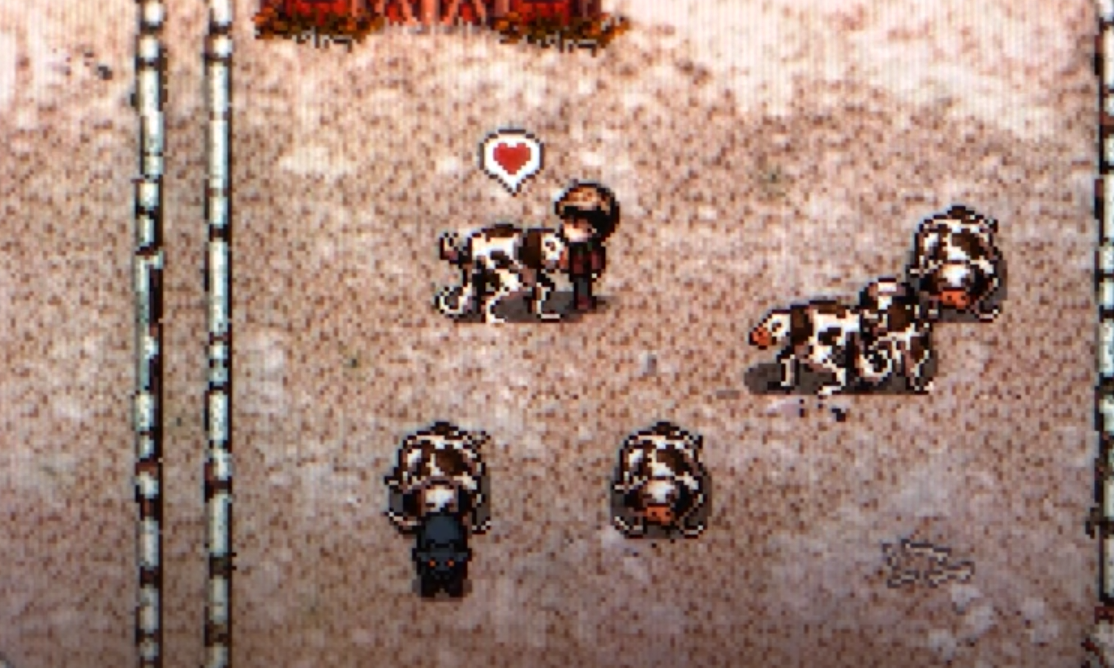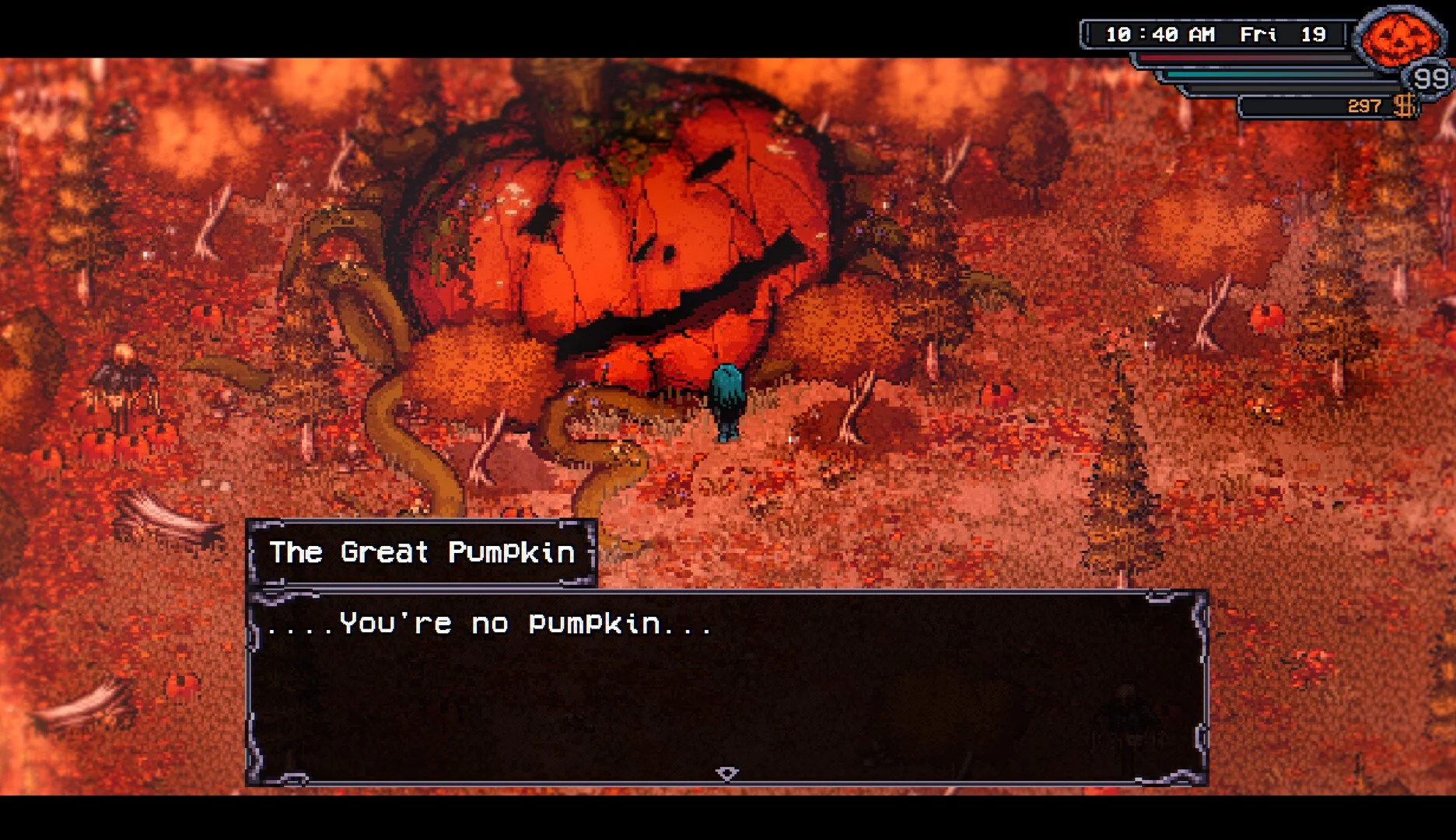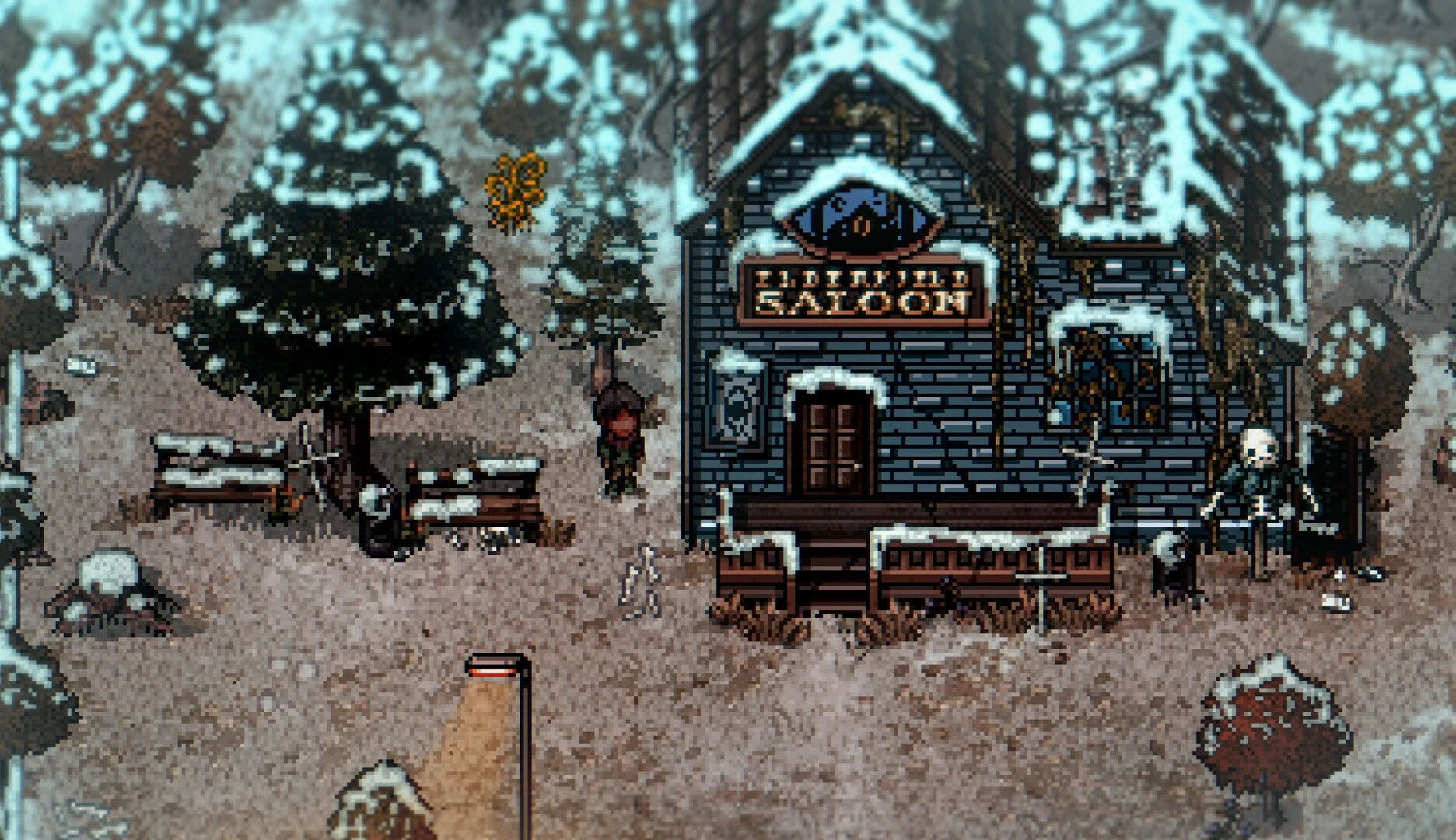
Welcome to Elderfield gets much easier once you stop treating farming, combat, crafting, exploration, and relationships as separate parts of the game. A decision that looks good for one system can quietly make another one worse, whether that means selling food you later need in a dungeon, processing a material down the wrong crafting path, or pushing deeper into an area when the resources you are carrying are already worth more than whatever might be in the next room.
Jump To Section:
Don't Sell Everything
Use Food Before Going Home to Heal
Set a Mining Danger Limit
Prioritize Bus Stops
Keep Materials Unprocessed
Save Gems for Better Gear
Don't Overprotect Your Farm
Check the News and Calendar
Start Relationships Early
Use an Expedition Profit Rule
Start Long Achievement Grinds Early
Keep Three Different Resource Reserves Instead of Selling Everything
One of the biggest mistakes I would avoid in Welcome to Elderfield is treating every item according to its immediate sell value. Gold matters, but the game repeatedly asks you to turn seemingly ordinary materials into food, equipment, processors, quest items, and other progression requirements later.
I find it more useful to mentally divide resources into three reserves: materials I am willing to sell, materials I am saving for crafting and progression, and food or ingredients reserved specifically for expeditions.
That last category is especially important. Selling a good stack of ingredients might give you enough gold for something immediately, but if it leaves you without reliable healing for your next dangerous trip, you have essentially converted your survival resources into money and may spend even more time replacing them afterward.
I would be particularly conservative with unfamiliar monster drops, processing ingredients, gems, ore, Bones, Bloody Skin, and anything else that looks like it belongs farther down a crafting chain. Elderfield has enough multi-stage recipes that an item which seems useless now can become the bottleneck preventing you from making something important several hours later.
Use Food to Preserve Progress, Not Just to Restore HP
Food is more valuable than its healing number suggests because of what the alternative can cost you.
Bathing heals you, but it also respawns enemies throughout the world. If you have already fought your way through most of a dangerous area, returning home to heal can mean rebuilding part of that progress when you come back.
That makes food a way of preserving the state of an expedition. Eating enough to continue can keep an already-cleared route clear, while going home for a bath may restore you more completely at the cost of repopulating the area.
I would therefore stop judging food purely by HP per ingredient. The same meal is more valuable when you are deep into an area with a long cleared route behind you than when you are standing ten seconds from home.
Early in an expedition, I am much more willing to retreat. Near the end of one, carrying a healthy food reserve becomes significantly more valuable because every heal can potentially save another trip through enemies I already defeated.
Set a Mining Danger Limit Before Your Inventory Is Full
Your inventory being full is not the best signal that it is time to leave a mine.
Spending longer underground can stack curses and other negative effects, while mining itself carries risks beyond whatever enemies are waiting nearby. The important result is that the character who entered the mine and the character preparing for the next fight may effectively have different combat strength.
I would therefore give every mining trip a danger budget rather than trying to extract every possible resource before leaving.
If I am healthy, well supplied, and relatively clean of harmful effects, another section can be worth exploring. If I have accumulated several penalties, burned through most of my useful food, and already collected the ore I originally came for, I am leaving even if there is plenty of inventory space remaining.
That sounds overly cautious until a normal enemy suddenly becomes much harder because you spent the previous portion of the trip slowly making your character worse.
The useful mindset is that every additional minute underground has a changing cost. Early ore is comparatively cheap. Ore collected after your character has accumulated multiple disadvantages is considerably more expensive.
Unlock Bus Stops Before You Start Repeatedly Farming Distant Areas
Fast travel is more valuable in Welcome to Elderfield than I initially expected because some trips home can take around four or five real-world minutes when the relevant bus stop is still locked.
I would prioritize unlocking a bus stop once I know I am going to revisit that part of the map repeatedly. Even if the requirement seems annoying, you are effectively paying once to remove travel time from every future expedition to that area.
The catch is that bus stops do not all ask for the same thing. Requirements can include very different resources, with examples ranging from a sandwich or 50 Wood to 3,000 gold or a Cursed Relic.
This is another reason I dislike selling everything that does not have an immediate purpose. If I discover a distant bus stop asking for something I already had and sold, I have turned a future convenience unlock into another resource hunt.
I would also factor fast travel into whether an expedition is worth continuing. Retreating from somewhere with an unlocked bus stop costs much less time than retreating from an area that requires another long walk back, so I am willing to play more conservatively once convenient access is established.
Leave Important Materials Unprocessed Until You Know What You Need
Welcome to Elderfield has crafting branches where processing something immediately can actually reduce your options.
Bloody Skin is a perfect example. It can feed two different hide-processing routes, and those routes do not produce interchangeable materials.
If you need Leather, Bloody Skin is used with Crushed Bones and Salt at the Witching Mortar to create Scraped Hide, which is then processed in a Furnace. If you instead use Bloody Skin at the Prep Table to create Thick Hide, you are going down the Drying Rack route toward Rawhide.
Our Welcome to Elderfield Leather guide covers that complete process, but the larger lesson applies to more than Leather: raw resources preserve options.
If I do not know what I need yet, I would rather have 10 units of a flexible base material sitting in storage than 10 units already committed to an intermediate product I may not use.
This becomes more important as the crafting system expands. Process materials in response to an actual recipe whenever possible rather than converting your entire stockpile merely because a processor gives you the option.
Don't Spend Gems Just Because You Finally Unlock Them
Gems are another resource I would stockpile rather than immediately trying to turn into value.
You eventually use gems to increase equipment item level through the Anvil after unlocking and installing the Lapidary Table at the Workshop's Forge upgrade platform. The Lapidary Table itself comes from completing Molly's The Elder Gem task.
Our Welcome to Elderfield gems guide covers the unlock process, but there is a second decision after you gain access: whether the item in front of you is actually worth upgrading.
I would not automatically improve the first piece of equipment the Anvil allows me to upgrade. Elderfield also has a substantial equipment progression system with enemy drops, crafted gear, combination recipes, and increasingly strong equipment becoming available.
If I expect to replace something soon, spending limited upgrade materials on it is less attractive. If I have found a weapon or armor piece that solves a current problem and I expect to keep using it, upgrading starts making much more sense.
In other words, unlocking gem upgrades does not suddenly make every gem burning a hole in your storage. Access to an upgrade and a good reason to buy that upgrade are two different things.
Running Away From a Farm Monster Can Be the Correct Play
Your farm is not automatically a safe zone, and I would not treat every creature that appears there as an immediate boss fight you are obligated to win.
Threats can appear around the farm while your character is still poorly equipped, and at least some can remain around for multiple days. Early on, avoiding the threat and waiting for the situation to change can be much better than repeatedly fighting something you are obviously not prepared to kill.
There is an important economic angle here too. Dying repeatedly because an enemy happens to be standing on “your” property does not somehow make the fight profitable. If you can continue making progress elsewhere, improve your gear, gather food, or simply wait out the situation, do that.
I would use the same rule with mobile or hostile crops. Mature crops do not necessarily behave like normal farming-game plants, with some capable of moving or becoming enemies. If something you expected to harvest is suddenly not behaving like a vegetable, search the immediate area before assuming the game simply deleted it.
Elderfield likes taking ordinary farming-game assumptions and breaking them. The sooner you stop assuming the farm itself has to obey normal farming-game rules, the less confusing some of these situations become.
Treat the TV News Like a Daily Quest Board
I would check the local news every day, but not because the broadcasts are just some neat worldbuilding detail.
News reports can contain actual leads for strange events around Elderfield, including phone numbers to call, locations worth investigating, blood trails, treasure hunts, and other unusual occurrences. Some of these are random and deliberately vague, which means waiting for the game to place a conventional quest marker on everything can cause you to miss the point entirely.
My preference is to treat suspiciously specific information in a broadcast as actionable until proven otherwise. If the news suddenly mentions something that sounds like a location, event, number, or abnormal situation, remember it and investigate when you have the opportunity.
The calendar deserves similar attention. Festivals include events such as the Egg Festival, Harvest Festival, All Hallows' Eve, and Carnival of Souls, alongside traveling merchants, fishing competitions, and other town activities.
Put those systems together and Elderfield has two different kinds of scheduling information: the calendar tells you about predictable opportunities, while the news can point toward unpredictable ones. Checking both prevents you from spending every day following the exact same farm-to-mine routine while interesting things happen somewhere else.
Start Relationships Early Instead of Grinding Them Later
If you care about relationships or eventually want all achievements, start talking to people early even if you are currently more interested in exploration.
You are limited to two gifts per character each week, which means relationship progression has a time component that cannot necessarily be brute-forced in a single afternoon once you finally decide you care about it.
I would rather give a few useful gifts and make gradual social progress throughout the game than finish everything else and discover I now need to cycle through more weeks specifically for relationships.
This becomes even more important if you are aiming for the Socialite achievement, which requires reaching 10 hearts with every character. Our Welcome to Elderfield achievements guide covers all 51 achievements, but Socialite is exactly the sort of requirement that becomes much less annoying when you have already been progressing it naturally.
I would therefore attach social progress to trips I was already making. If I am going into town for another objective, I can speak to someone or deliver a gift at the same time rather than dedicating an entire future day to relationship grinding.
Skipping Sleep Is a Tool, Not a New Daily Routine
Welcome to Elderfield does not force you to sleep every night, and that freedom can be extremely useful when you are deep into an expedition and returning home would waste a large amount of travel time.
That does not mean staying awake indefinitely is the optimal strategy.
Skipping nights eventually gives you increasingly harmful fatigue and misfortune effects that can affect combat. Meanwhile, the world still advances through its nightly cycle and random events can occur even if you refuse to sleep.
I would use a skipped night when it solves a specific logistical problem: I am somewhere distant, have enough supplies to continue, and the cost of returning home right now is unusually high.
Once skipping sleep starts weakening the character enough to make combat riskier, the time saved by staying out can easily be lost through a failed expedition. It is another Elderfield system where the first bit of greed is useful and the fifth bit gets you killed.
Decide Whether to Continue Based on What You Already Have
The farther I get into an expedition, the less I care about what might be in the next room and the more I care about what is already in my inventory.
This is one of the most useful ways to think about risk in Welcome to Elderfield.
At the start of a trip, I may have little to lose and plenty of food. Pushing into another unexplored area makes sense. Later, I may be carrying valuable ore, monster drops, equipment, quest resources, and other materials while sitting at half health with two meals left.
The possible reward ahead might not have changed, but the cost of failure has.
Instead of asking “Can I probably beat the next fight?” I would ask “Would I trade everything I have collected on this trip for one attempt at whatever is around the next corner?”
If the answer is no, leave.
This gets even more important because death can repopulate enemies and force you to repeat cleared sections. A retreat can feel like abandoning progress, but returning home with all of your resources is often the progress.
Give Every Trip More Than One Purpose
Travel takes enough time in Welcome to Elderfield that I would avoid making long trips for exactly one small task whenever possible.
If I am heading toward town, I can handle relationships, shopping, a task, and any nearby event during the same trip. If I am heading toward a mine, I can forage along the route and enter with a specific list of materials I actually need. If I am visiting a distant area, I can check its bus stop requirement while I am already there instead of discovering it during another dedicated trip later.
This also helps with resources you do not currently understand. Pick up plants, fungi, bugs, monster materials, and other useful-looking items encountered along a route even when they are not the purpose of the journey. Elderfield has enough later crafting requirements that incidental gathering today can remove a progression bottleneck tomorrow.
I would rather spend another few seconds grabbing something while passing it than spend several minutes returning to the same area once a recipe suddenly asks for it.
Let the Biggest Achievement Grinds Run in the Background
Even if you are only vaguely interested in 100% completion, there are a few achievement requirements worth knowing from the beginning because their numbers get large.
The final crop achievement requires 10,000 harvested crops, the animal-product chain eventually asks for 5,000 products, Filthy Rich requires earning 1,000,000 total gold, and Socialite requires reaching 10 hearts with every character.
I would not turn the opening hours into an achievement farm just because those numbers exist. The better strategy is the opposite: keep those counters moving while doing things you actually want to do.
Keep harvesting even after the early crop achievements unlock. Keep collecting animal products. Start relationships before you need them. Earn and spend money normally instead of treating the one-million-gold requirement like a future grind that has nothing to do with the current playthrough.
This principle also applies to the 100-death achievement. I would absolutely not stand around deliberately killing myself 100 times near the beginning. Let normal mistakes, difficult areas, and Elderfield being Elderfield contribute first, then grind whatever remains much later if you actually need to.
The Best Welcome to Elderfield Tip Is to Optimize Around Bottlenecks
Welcome to Elderfield is not really a game where I would recommend maximizing one activity as hard as possible. The systems depend on each other too much.
Instead, figure out what is currently stopping your progression.
If combat is the bottleneck, stop repeatedly throwing yourself at the same enemy and improve your equipment, food supply, or gem upgrades. If travel is wasting your time, investigate the relevant bus stop. If a recipe is blocking you, stop selling materials and work backward through its production chain. If healing keeps forcing you to reset cleared enemies, carry more expedition food. If a mine is becoming increasingly dangerous, leave before accumulated disadvantages turn the next ordinary battle into the end of the run.
If nothing is blocking you, that is the best time to diversify. Farm, stockpile food, gather materials while traveling, maintain relationships, check the news, and progress one of the game's longer objectives in the background.
That is the approach I would use throughout Welcome to Elderfield: do not ask which single activity is most efficient. Ask what resource, unlock, or system would make everything else you are currently doing easier. Fix that first, and a lot of the game's apparent grind starts solving itself.