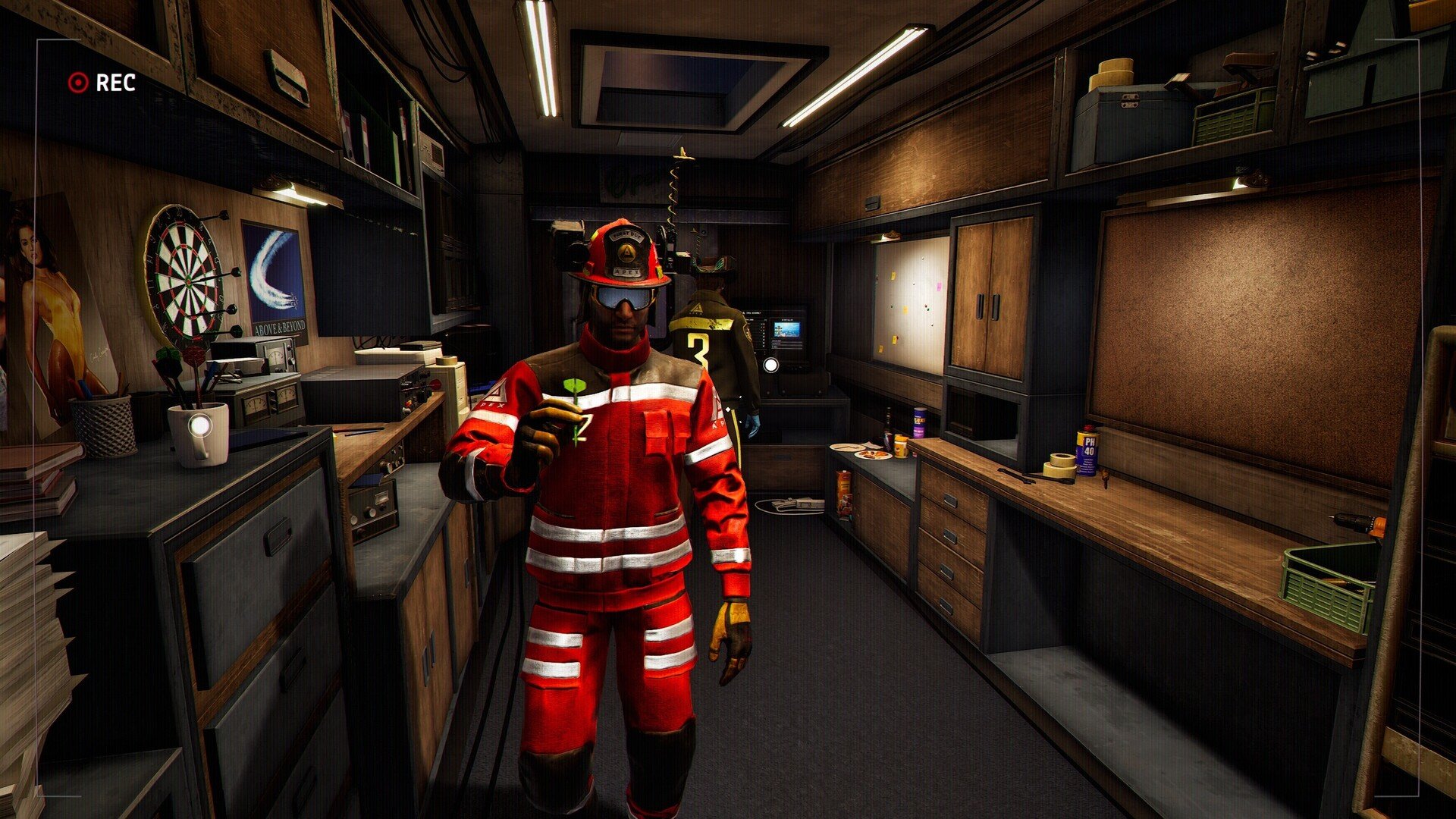
Funnel Runners gives you roughly 20 minutes to turn a broken van, a scattered supply of parts, and an increasingly uninhabitable city into a successful escape. The challenge is not simply finding enough loot. Every decision has to move the van closer to running without leaving the team stranded behind collapsing streets, lethal weather, or a tornado that has already erased the route home.
Jump To
Best Funnel Runners Tips for Beginners
The most important Funnel Runners tip is to measure progress by what reaches the van, not by how much loot the team has found. A repair part sitting in someone’s inventory across the city has not improved the escape. Bring critical items back regularly, install them immediately, and use the remaining checklist to decide what the next search should target.
Check the storm direction before splitting up. The tornado progressively destroys the city rather than ending the map all at once, which means one side of the playable area can become inaccessible while safer streets remain usable elsewhere. Search away from its projected path whenever possible and abandon a district once buildings begin coming apart.
Do not wait until every part has been collected before starting repairs. Installing the first usable component gives the team a clearer picture of what remains and prevents the final minutes from becoming an improvised mechanical exam beside an F5 tornado.
Search nearby buildings before pushing toward the edges of the city. Close structures offer faster deliveries, shorter rescue distances, and a much better chance of preserving the route back. Distant loot is only better when it solves a specific problem that nearby buildings cannot.
Keep enough time in reserve to drive out. A successful run is not finished when the van starts; the team must still board, navigate streets that may have changed since the opening minutes, and reach the extraction point without driving directly into the storm.
What to Do at the Start of Every Funnel Runners Run
Spend the opening moments collecting information rather than immediately sprinting into the first doorway. Locate the van, check the APEX dashboard, identify which repairs are required, and determine where the storm is approaching from.
The city uses randomized layouts, item placements, and vehicle problems, so a route that worked during the previous deployment may be useless in the next one. Funnel Runners rewards understanding the systems behind a run rather than memorizing one perfect sequence of buildings.
Choose a likely exit direction before the group begins scavenging. Roads facing away from the storm are more likely to remain usable, while the side closest to the approaching funnel should be searched early or written off entirely.
Start with the structures surrounding the van. Residential buildings are useful for consumables, tools, and smaller components, while commercial locations are more likely to justify the extra search time with fuel or larger mechanical parts. Underground areas can contain valuable items and provide some early protection from the wind, but they become dangerous once flooding or structural collapse begins.
The first search should answer two questions: what can be installed immediately, and which required item appears to be missing from the nearby area? Once those are known, the team can expand with an actual objective instead of wandering through the city collecting anything that has an interaction prompt.
Which Van Parts Should You Find First?
Engine components and fuel should normally receive the highest priority because the van cannot leave without them. Wiring and repair tools follow closely, while battery or tire-related problems may depend on the mechanical conditions generated for that particular run.
Use the van’s repair checklist rather than relying entirely on a memorized shopping list. The required combination can change, and time spent searching for a component the current van does not need is time taken from the escape.
A sensible priority is to secure anything preventing the engine from functioning, then collect enough fuel, followed by the tools and secondary components required to complete the current repair state. Consumables and optional gadgets remain useful, but they should not displace a necessary van part when inventory space is limited.
Leave one player close enough to begin installing delivered components when the group is large. The mechanic does not need to remain beside the van for all 20 minutes, but someone should convert incoming parts into repair progress rather than allowing everything to accumulate in an unexplained pile.
Testing and repairing the van throughout the run also exposes any remaining problems earlier. Discovering a dead battery or damaged tire with several minutes left is manageable. Discovering it when the tornado is already dismantling the surrounding neighborhood is considerably less educational.
The Best Way to Loot in Funnel Runners
Use expanding loops around the van rather than sending every player toward a different edge of the map. Clear the nearest useful buildings, return the important items, then widen the search only if the repair checklist still requires something the first area did not provide.
This creates a natural supply chain. Looters find parts, runners return them, and the player handling the van converts those deliveries into repairs. The team remains close enough to respond when weather closes a street or someone becomes injured.
Enter buildings with a specific target in mind. Engine parts, fuel, wiring, tools, and required repair items come first. Health supplies and stamina items are worth carrying when space allows, but searching every room for another bandage can quietly consume the minutes needed to escape.
Residential houses are faster to clear and provide useful support items, while larger commercial buildings may contain more valuable mechanical supplies at the cost of additional search time. Rooftops offer visibility and occasional loot but become increasingly dangerous as lightning, wind, and structural damage intensify.
When carrying a heavy part, stop treating the run like a general scavenging trip. Take it back to the van before entering another building. Heavy items drain stamina, slow travel, and become permanently useless if the carrier is cut off by a collapse.
Do not enter a damaged block simply because an item marker or unopened room remains inside it. The correct loot route is not the one containing the greatest theoretical value. It is the route that still connects to the van when the search is finished.
How to Survive the Tornado and Changing Weather
The weather is Funnel Runners’ main enemy rather than background decoration. Rain, hail, wind gusts, lightning, fire, and other events alter movement, visibility, building access, and the amount of time the team can safely spend outdoors.
Keep checking both the storm timer and the tornado’s position. The timer shows how close the run is to its most destructive phase, while the storm’s actual direction determines which streets and buildings are in immediate danger.
Watch for cracking walls, falling dust, swaying structures, nearby debris, and an increasingly loud roar. These are signs that a building or district is becoming unsafe. Finish the current interaction and leave rather than trying to clear one final room.
High wind is especially dangerous in open areas. Move through interiors or use structures as cover when gusts intensify, but do not confuse temporary shelter with permanent safety. A building protecting you from the wind can become the next object pulled apart by the tornado.
Lightning makes rooftops and exposed roads more dangerous, while fire can block familiar paths and force the team onto a longer return route. The city should be treated as a map that changes throughout the deployment, not a fixed layout discovered during the first minute.
More than one funnel can develop, making the original escape plan obsolete. When the radar or visual conditions show that the storm pattern has changed, redirect the entire team rather than allowing different groups to continue following outdated assumptions.
Best Gadgets and Tools in Funnel Runners
The Weather Radar is one of the strongest finds because it turns the tornado from a general threat into information the team can use. Knowing where the storm is moving helps determine which district to search, which route to abandon, and when the recall needs to begin.
The Wrench Kit is valuable for reducing repair time at the van. It is especially helpful when the final components arrive late and the team needs to convert them into a drivable vehicle before the surrounding roads disappear.
The Storm Shield provides temporary protection from wind and debris, giving a player more room to cross an exposed area or complete a dangerous recovery. It should be used to solve a specific emergency rather than saved until the run has already ended badly.
A Geiger Counter can reveal valuable items through walls, reducing the time wasted searching empty rooms. The Thermal Scope helps in smoke and low-visibility conditions, while a Rescue Flare can mark a location or help separated teammates regroup.
Gadget value depends on the current problem. The Weather Radar improves the entire team’s decision-making, but a defibrillator or rescue tool becomes more important when another player is down and carrying the part needed to complete the van.
Communicate every major gadget pickup. A tool benefiting the group should change the plan, not remain hidden in one player’s inventory until everyone discovers it during the post-run explanation.
Best Co-Op Strategy and Team Roles
Funnel Runners supports up to eight players, but a larger squad only helps when responsibilities are clear. Eight people entering the same building create more noise, not eight times the progress.
One player should monitor the van, install returned parts, and report what is still missing. Another should track the weather and keep the group informed about the storm’s direction, blocked roads, and areas that need to be abandoned.
The remaining players should work as looting and delivery pairs. Two players can search a building quickly, help one another after an injury, and carry discoveries back without leaving someone isolated behind the destruction path.
With two to four players, combine roles rather than abandoning them. One person can manage the van and storm information while the other players search nearby buildings together. In a full squad, add more looting pairs instead of assigning several people to stand near the same repair checklist.
Call out what each building contains before picking everything up. This prevents several players from returning with duplicate tools while the one necessary engine component remains across the map.
Set a team recall point before the final minutes. The player farthest from the van should begin returning first, while nearby players complete the remaining repairs and organize the escape. Waiting until everyone independently decides to return guarantees that someone will make that decision too late.
Funnel Runners Solo Tips
Solo play is possible, but it removes the coverage, revives, shared gadgets, and delivery chain available to a co-op group. The safest strategy is to keep the search radius smaller and make more frequent trips back to the van.
Do not carry several valuable parts while continuing to explore. Return after every major find so one injury or collapse does not erase most of the run’s progress.
Prioritize information and survival gadgets over tools that assume another player can help. The Weather Radar, Storm Shield, and strong recovery items are more valuable when there is nobody available to warn or revive you.
Manage stamina before beginning a long return trip. Sprinting until the bar is empty while carrying a heavy part can leave you walking through an exposed road precisely when the weather becomes dangerous.
Solo players should also leave earlier. A co-op group may be able to recover from one person becoming trapped or the van needing a final rushed repair. Alone, one blocked road can end the entire deployment.
The objective is not to empty the city. Secure the required components, repair the van, and accept an ordinary escape rather than risking everything for another optional building.
When Should You Stop Looting and Leave?
Stop searching once the van is drivable or when the remaining time no longer supports another safe round trip. A completed repair is not permission to visit one more building; it is the signal to gather the team and begin the escape.
Planning to have everyone back near the van around the final two or three minutes creates enough room for unexpected repairs, missing players, blocked roads, or a route that has changed since the opening.
Players farthest from the van should return before those searching nearby. The recall should move inward, giving the most exposed group the largest travel buffer.
Once the van is ready, board immediately and choose the clearest available road. Do not select an exit because it passes another loot location or follows the original plan. Use the road that still exists and leads away from the active tornado path.
Drive cautiously around collapsing structures. Reaching the van does not make the weather harmless, and a blocked street can force a detour that consumes the entire escape window.
A drivable van is enough. Funnel Runners does not award extra survival points because the group remained in the city until the vehicle felt emotionally prepared to leave.
Common Funnel Runners Beginner Mistakes
The most common mistake is treating the opening half of the run as unrestricted looting and the final half as the time to repair. Scavenging and repair should happen together, with each delivery immediately reducing the remaining objectives.
Another frequent problem is splitting the team too widely. Covering more buildings appears efficient until the storm cuts off one player, a heavy part needs help, or several groups return carrying the same low-priority supplies.
Beginners also remain in damaged buildings too long. Once a structure begins failing, anything still inside should be considered lost. Leaving with one ordinary useful part is better than being buried beside three rare items.
Ignoring inventory space creates another avoidable failure. Consumables are useful, but they should be dropped when a required van component needs the slot. The item that enables the escape has priority over supplies intended to prolong a run that cannot be completed.
Teams often forget to monitor stamina while carrying heavy parts. Save enough energy for exposed roads, emergency movement, and the final return rather than sprinting continuously through a safe building.
The final major mistake is waiting for the clock to force the escape. The storm timer is a deadline, not a suggested departure time. Leave with a buffer and let the tornado complain that you failed to provide a more dramatic ending.
Funnel Runners Beginner Guide: The Best First-Escape Plan
Begin each run by checking the van, repair checklist, nearby buildings, storm direction, and likely exit road. Search the closest safe structures first and return critical components as soon as they are found.
Install parts throughout the run while expanding the search only when the nearby area cannot provide what the van still needs. Keep the team out of damaged districts, use the radar to adjust the route, and prioritize engine components, fuel, wiring, tools, and any repair issue generated for the current vehicle.
Call everyone back before the final minutes, finish the remaining work with the group near the van, and leave as soon as it becomes drivable. The best Funnel Runners strategy is not built around finding everything. It is built around knowing which items, buildings, and risks no longer matter once the escape is ready.