Grow a Garden 2 How to Get Mutations
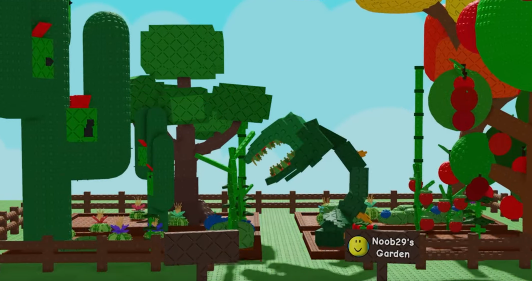
Mutations in Grow a Garden 2 are special crop changes that make plants sell for more money. The main ways to get mutations are by growing and harvesting crops during mutation chances, planting Gold Seeds or Rainbow Seeds, waiting for weather events, using sprinklers, and keeping mutation-boosting pets active in the garden.
Jump To
How To Get Mutations In Grow a Garden 2
You get mutations in Grow a Garden 2 by growing crops, harvesting during mutation chances, planting Gold Seeds or Rainbow Seeds, waiting for weather events, using sprinklers, and using pets that improve mutation odds.
Mutations are one of the most important money systems in the game because they multiply a crop’s sell value. A crop’s final price is affected by its base value, physical size, and mutation, which means a big mutated crop can sell for far more than a normal version of the same plant.
The clean way to farm mutations is to keep valuable crops in the garden before mutation chances happen. Empty plots cannot mutate, and low-value filler crops waste good rolls that could have hit something better. A garden full of stronger crops gives every weather event, harvest roll, seed effect, sprinkler boost, or pet bonus more value.
Mutation farming also works better when it is paired with crop size farming. A strong mutation on a tiny crop is useful, but a strong mutation on a giant crop is where the sale value starts to jump. The Grow a Garden 2 big plants guide covers how to grow larger crops before selling them.
Weather Event Mutations
Weather events are the main way to get several of the best mutations in Grow a Garden 2. When certain events are active, crops in the garden can gain specific mutations connected to that event.
This is why timing matters. If Lightning starts and the garden is empty, there is nothing useful for the event to hit. If the garden is already full of valuable crops, every plant has a chance to become more profitable.
| Weather Or Event | Mutation Or Effect |
|---|---|
| Lightning | Crops can gain the Electric mutation. |
| Snowfall or Blizzard | Crops can gain the Frozen mutation. |
| Rainbow | Crops can gain or have a better chance at the Rainbow mutation. |
| Starfall | Crops can gain the Starstruck mutation. |
| Blood Moon | Crops can gain the Bloodlit mutation. |
| Midas Moon | Gold Seeds can appear, giving another route to Gold mutated crops. |
| Rainbow Moon | Rainbow Seeds can appear, giving another route to Rainbow mutated crops. |
The best move during weather events is to leave valuable crops planted long enough to benefit from the event chance. Sell weaker crops if the garden needs space, but keep the crops with real value ready for mutation rolls.
I would treat Lightning, Starfall, Blood Moon, and Rainbow-style events as the main mutation windows to watch. These are the moments where a normal garden can turn into a much better payout if enough crops are already growing.
Gold Seeds And Rainbow Seeds
Gold Seeds and Rainbow Seeds are special seed-based ways to get Gold and Rainbow mutations in Grow a Garden 2.
These seeds are valuable because they give a more direct route to mutated crops than waiting only on random rolls. Gold Seeds are connected to Gold mutated crops, while Rainbow Seeds are connected to Rainbow mutated crops.
Gold Seeds and Rainbow Seeds can appear during special events, so they are worth grabbing quickly when they show up. After collecting them, plant them in a good spot where they can benefit from sprinklers, pet bonuses, and enough time to grow into a better payout.
| Special Seed | Why It Matters |
|---|---|
| Gold Seed | Gives a direct route toward Gold mutated crops. |
| Rainbow Seed | Gives a direct route toward Rainbow mutated crops. |
Seed access matters because better seeds make mutation farming more profitable. A weak crop with a mutation can still sell better than normal, but a better crop with a mutation is usually the real target. The Grow a Garden 2 seed packs guide explains how to get more seed packs and keep the garden stocked.
Random Growth And Harvest Chance
Crops can get mutations from random growth and harvest chances, but this is the least reliable mutation method by itself.
Some mutations can appear while a crop is growing, while others are checked when the crop is harvested. That means a crop can still have a final mutation chance when picked, especially if the harvest happens during a useful event window.
This is the main reason not to harvest every valuable crop the second it is ready. Fast selling keeps money moving, but waiting through the right event can turn a normal crop into a mutated one before it is picked.
Random mutation chance is best treated as a bonus layered on top of a better garden setup. More planted crops, better seeds, sprinkler support, weather events, and mutation pets all give the garden more chances to produce something worth selling.
Sprinklers And Pets
Sprinklers and pets can make mutation farming stronger by supporting more crops and improving the number of useful mutation chances in the garden.
Sprinklers are useful because they help crops across an area instead of forcing every plant to be handled one at a time. They are especially strong around valuable crops being held for weather events, size increases, or harvest rolls.
Pets can also improve mutation farming depending on the pet. Mutation-focused pets are strongest when the garden is full of crops that are actually worth mutating. A pet bonus does more when it is helping several valuable plants instead of sitting beside empty plots or low-value filler.
The best setup combines everything. Plant valuable crops, support them with sprinklers, keep mutation pets active when available, and wait for weather events that can apply stronger mutations.
Do Mutations Stack In Grow a Garden 2?
Mutations do not stack in Grow a Garden 2, and each crop can only have one mutation at a time.
This is important because mutation farming is about getting the best single mutation on a valuable crop. It is not about piling several mutations onto one plant. Once a crop already has a strong mutation, selling it when the value is good usually makes more sense than holding it forever.
This also changes how event farming works. If a crop already has a mutation, another event does not mean it will become an endlessly stacked crop. The stronger plan is to keep more valuable crops planted so new mutation chances have more targets.
Best Way To Farm Mutations Fast
The best way to farm mutations fast is to keep the garden full of valuable crops, stay active during weather events, collect Gold Seeds and Rainbow Seeds, use sprinklers around your best crops, and run mutation-boosting pets when available.
Mutation farming is a numbers game. More crops create more rolls. Better crops create better payouts. Weather events create stronger mutation windows. Sprinklers and pets make the whole garden more efficient.
| Step | What To Do |
|---|---|
| 1 | Fill the garden before major weather events start. |
| 2 | Use valuable crops instead of filling every plot with weak plants. |
| 3 | Place sprinklers around the crops worth mutating. |
| 4 | Collect and plant Gold Seeds or Rainbow Seeds when they appear. |
| 5 | Use pets that improve mutation chances if available. |
| 6 | Harvest during useful event windows when trying to roll event mutations. |
| 7 | Sell strong mutated crops when the payout is good. |
The main farming rhythm is simple. Keep the garden planted, protect the best crops, wait for mutation windows, and cash out when a crop has a strong value. Waiting only helps when the crop has real upside, so cheap filler should still be sold when space is needed.
Mutations are one of the fastest ways to improve income once the garden has decent seeds. For a broader farming route, the Grow a Garden 2 money guide covers the best ways to make money faster.
Final Blurb
Getting mutations in Grow a Garden 2 comes down to keeping the garden ready. Plant valuable crops, wait for weather events, collect Gold Seeds and Rainbow Seeds, use sprinklers well, and keep mutation-boosting pets active when available.
The best mutation farms do not depend on one lucky plant. They create as many good chances as possible, then turn the best mutated crops into big money. Peaceful gardening, except every thunderstorm is suddenly a financial opportunity.