The Blood of Dawnwalker Guides
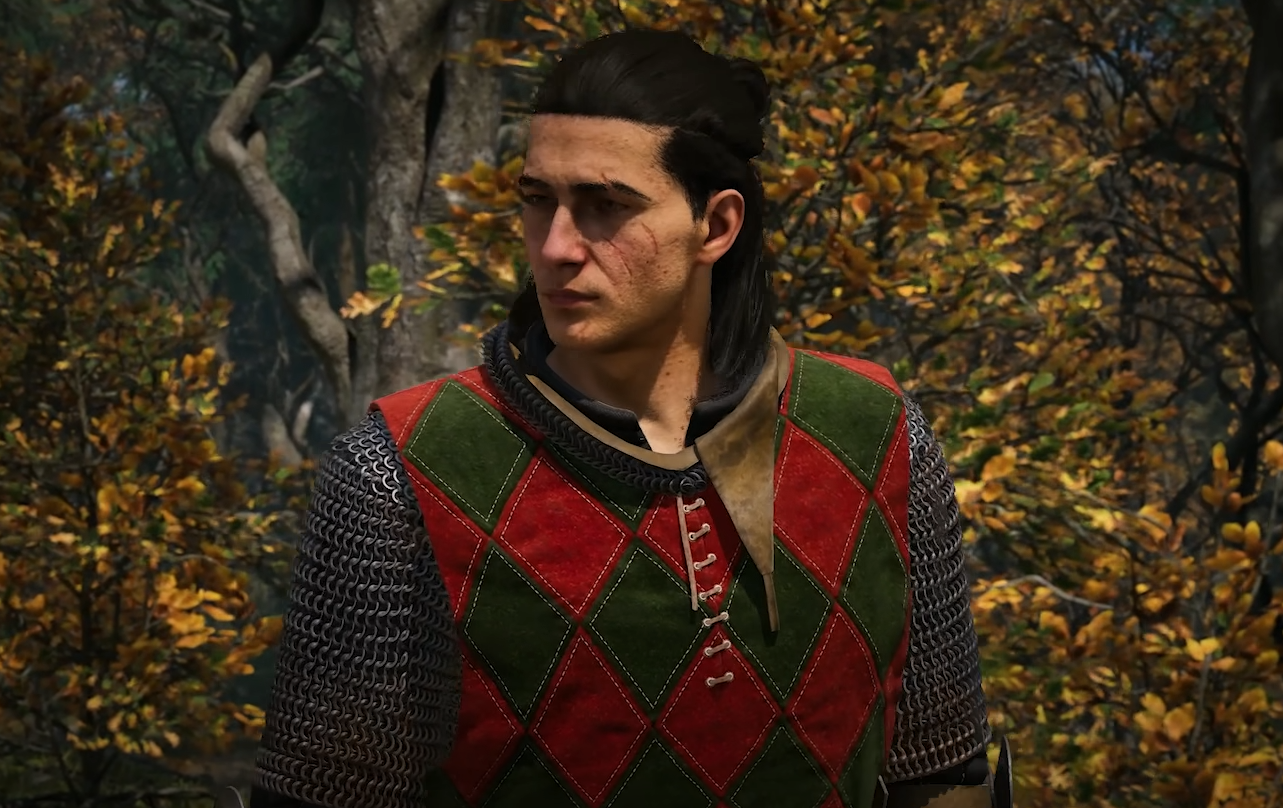
The Blood of Dawnwalker is an open-world dark fantasy action RPG set in 14th-century Europe. Developed by Rebel Wolves and published by Bandai Namco Entertainment, the game follows Coen, a young man caught between two worlds after becoming a Dawnwalker: human during the day and vampire at night.
Jump to The Blood of Dawnwalker Guides
The Blood of Dawnwalker releases on September 3, 2026 for PC, PlayStation 5, and Xbox Series X|S. Rather than following a traditional RPG structure where every quest waits indefinitely, the game gives Coen 30 in-game days to save his family, with major actions and quests consuming portions of that limited time.
What is The Blood of Dawnwalker?
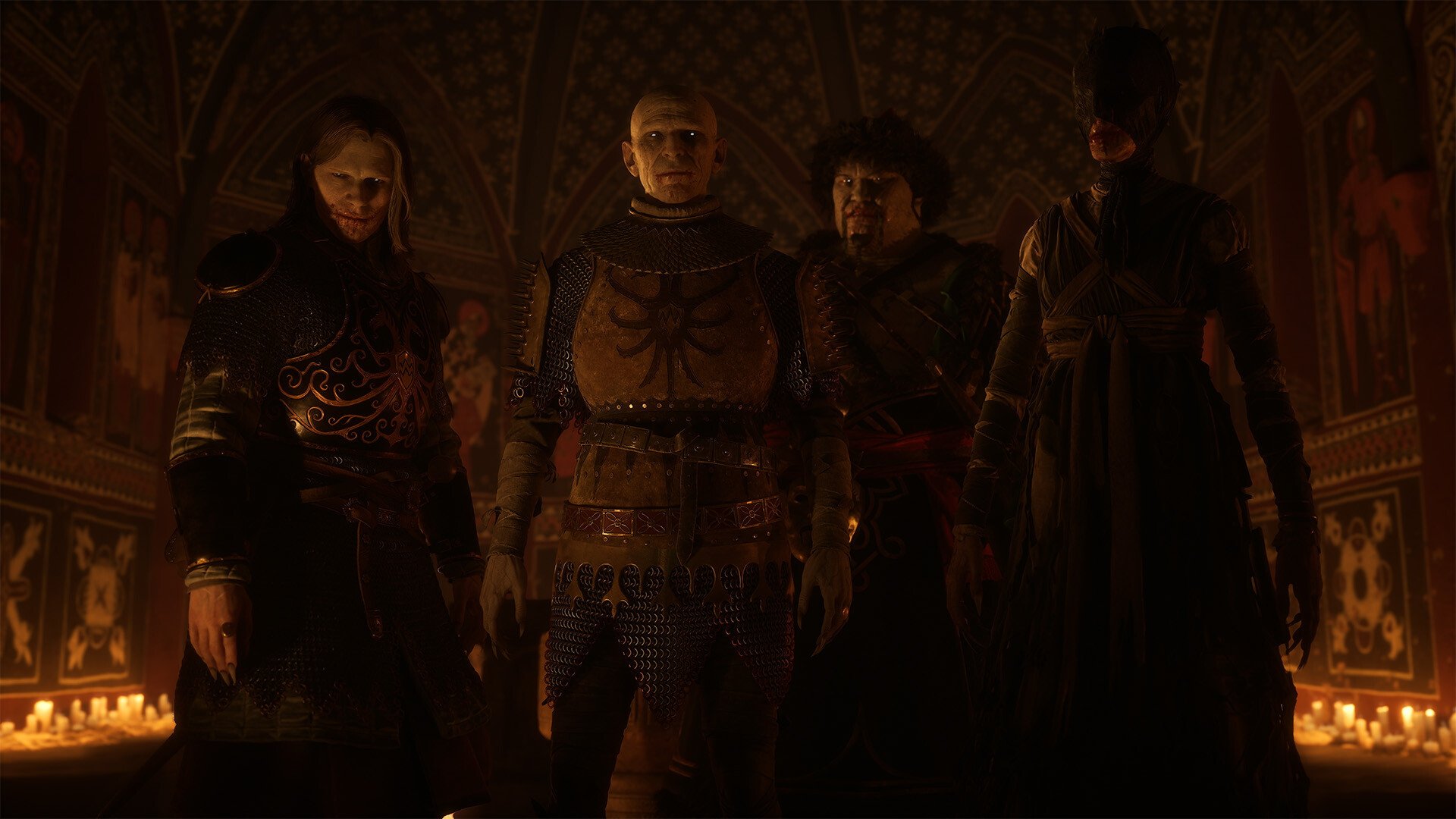
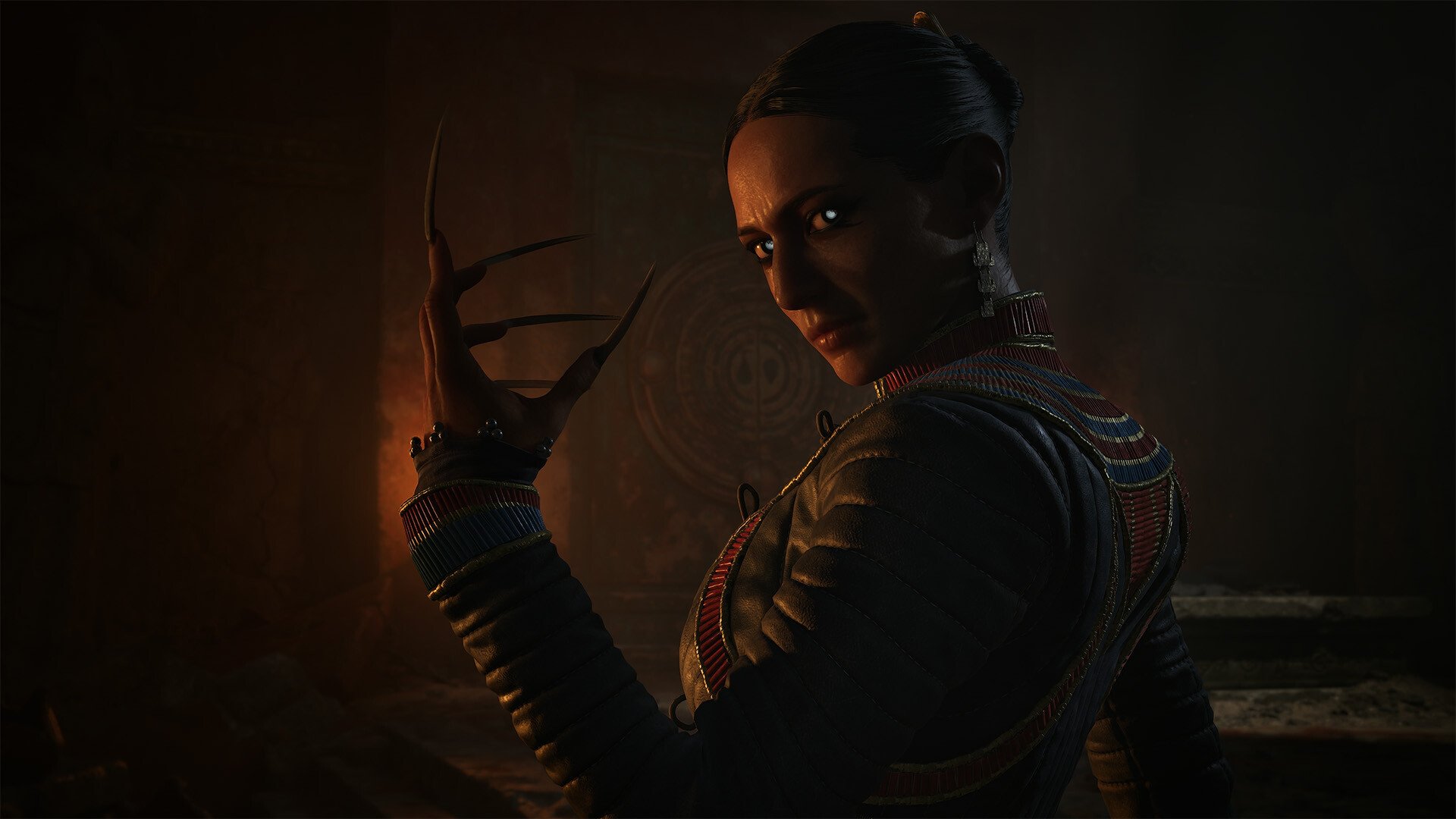
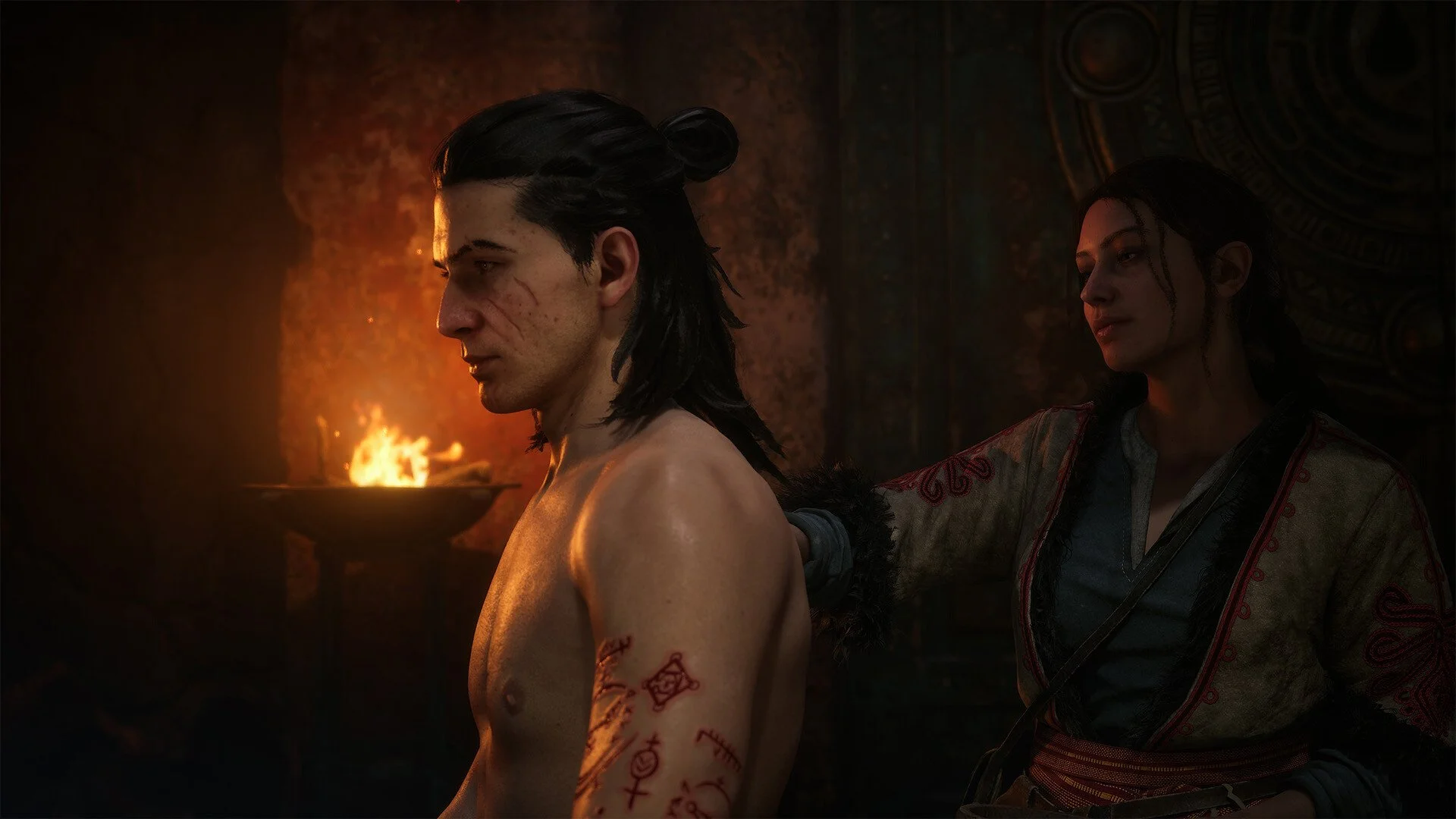
The story takes place in Vale Sangora, a region of the Carpathian Mountains where vampires have emerged from the shadows and established their own rule. Coen becomes a Dawnwalker after being transformed into something that exists between humanity and vampirism, giving him access to different abilities depending on the time of day.
His central objective is to rescue his family, but how you spend the time leading up to that confrontation is largely up to you. You can pursue different quests, investigate characters and factions, form alliances, explore the valley, or focus more directly on the people responsible for what happened to Coen.
Day and Night Change How You Play
Coen's human and vampire forms are more than a visual change. During the day, he relies more heavily on human abilities such as Swordmastery and Witchcraft. At night, his vampiric abilities open up different options for combat, traversal, exploration, and reaching areas that may be difficult or impossible to access as a human.
That means the same objective can play out differently depending on when you approach it. A location that requires a more grounded route during the day may become much easier to infiltrate at night once abilities such as Shadowstep, Planeshift, and other Vampiric powers are available.
How the 30-Day Time System Works
One of Dawnwalker's biggest systems is its 30-day deadline. Coen's family will not simply wait forever while you clear every marker on the map, so quests and other meaningful actions can advance the in-game clock and push the story closer to its conclusion.
It is not a real-time countdown, though. You can spend as long as you want exploring or figuring out where to go without losing hours simply because you stood around. Time advances through specific actions, which turns it into another resource to manage alongside health, money, equipment, and character progression.
This also means there is not necessarily one perfect route through Vale Sangora. Spending time helping one character can mean delaying something else, while ignoring a situation entirely can have consequences of its own.
Combat, Abilities, and Character Builds
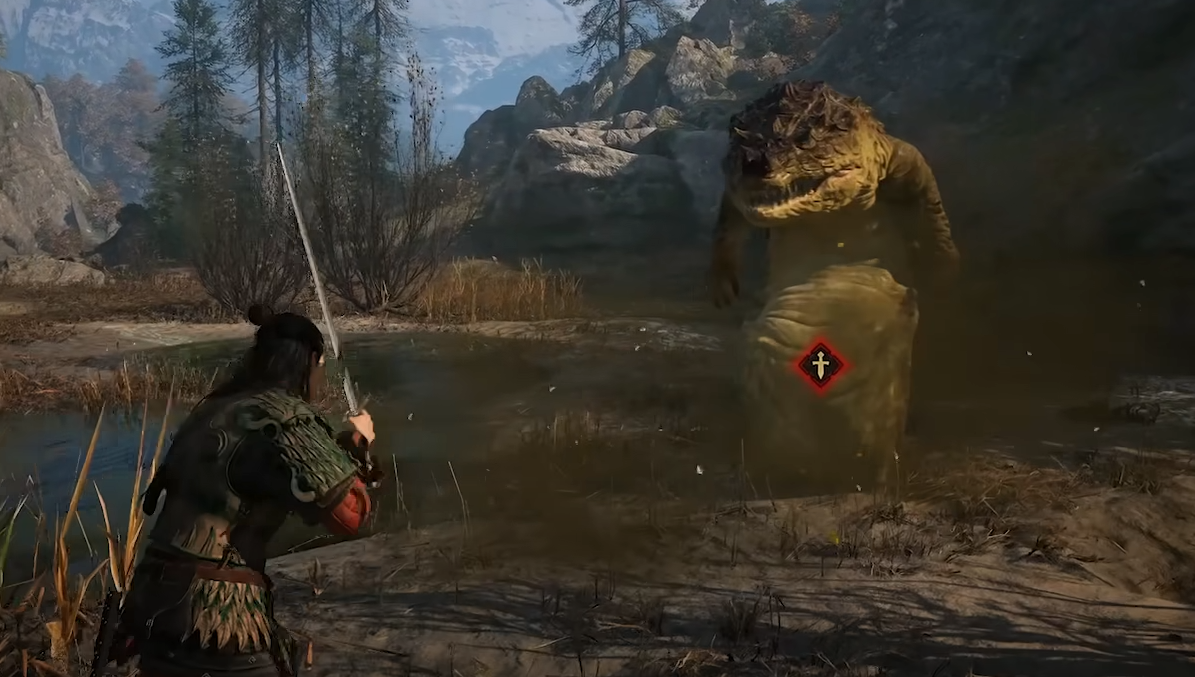
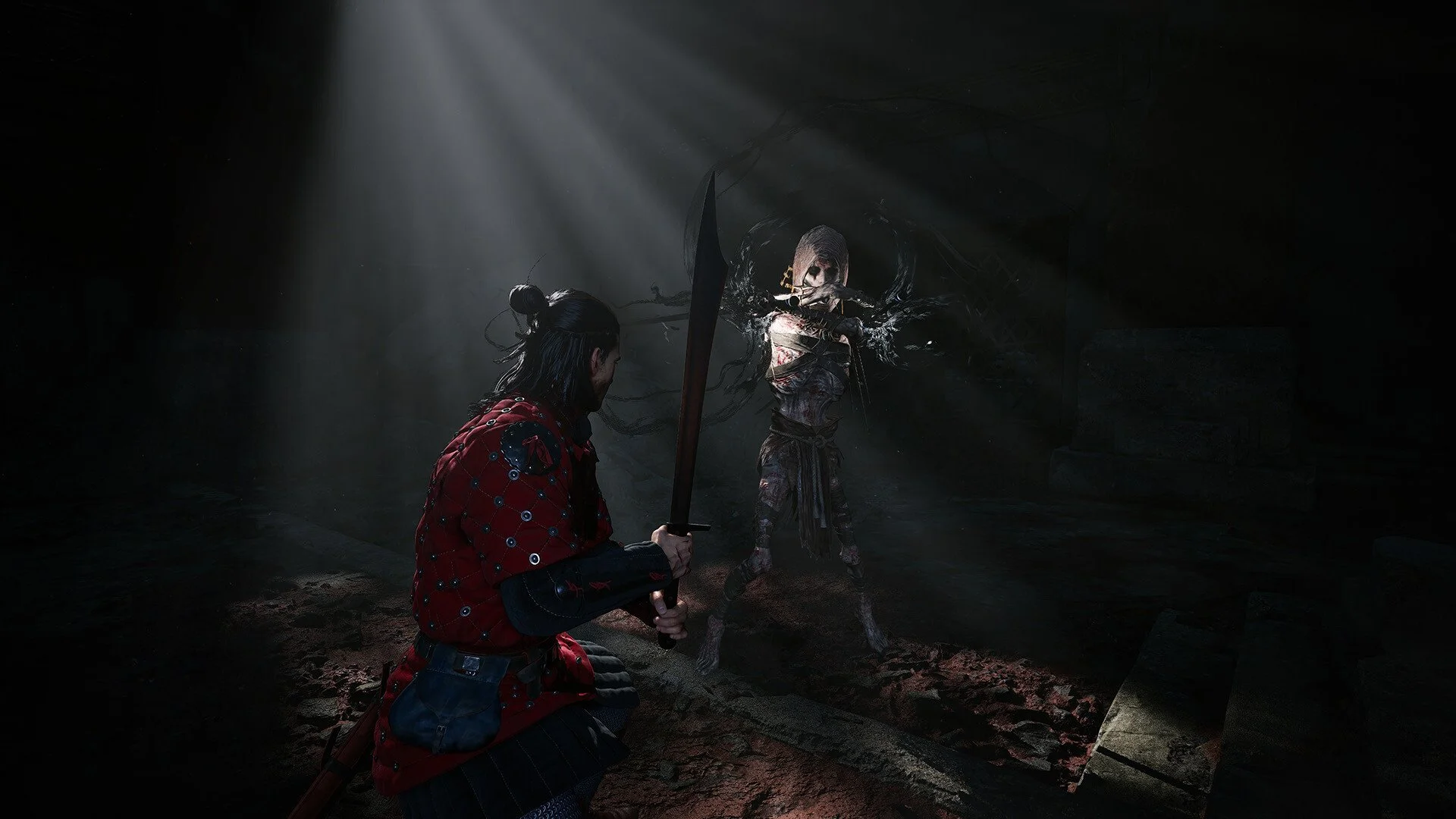
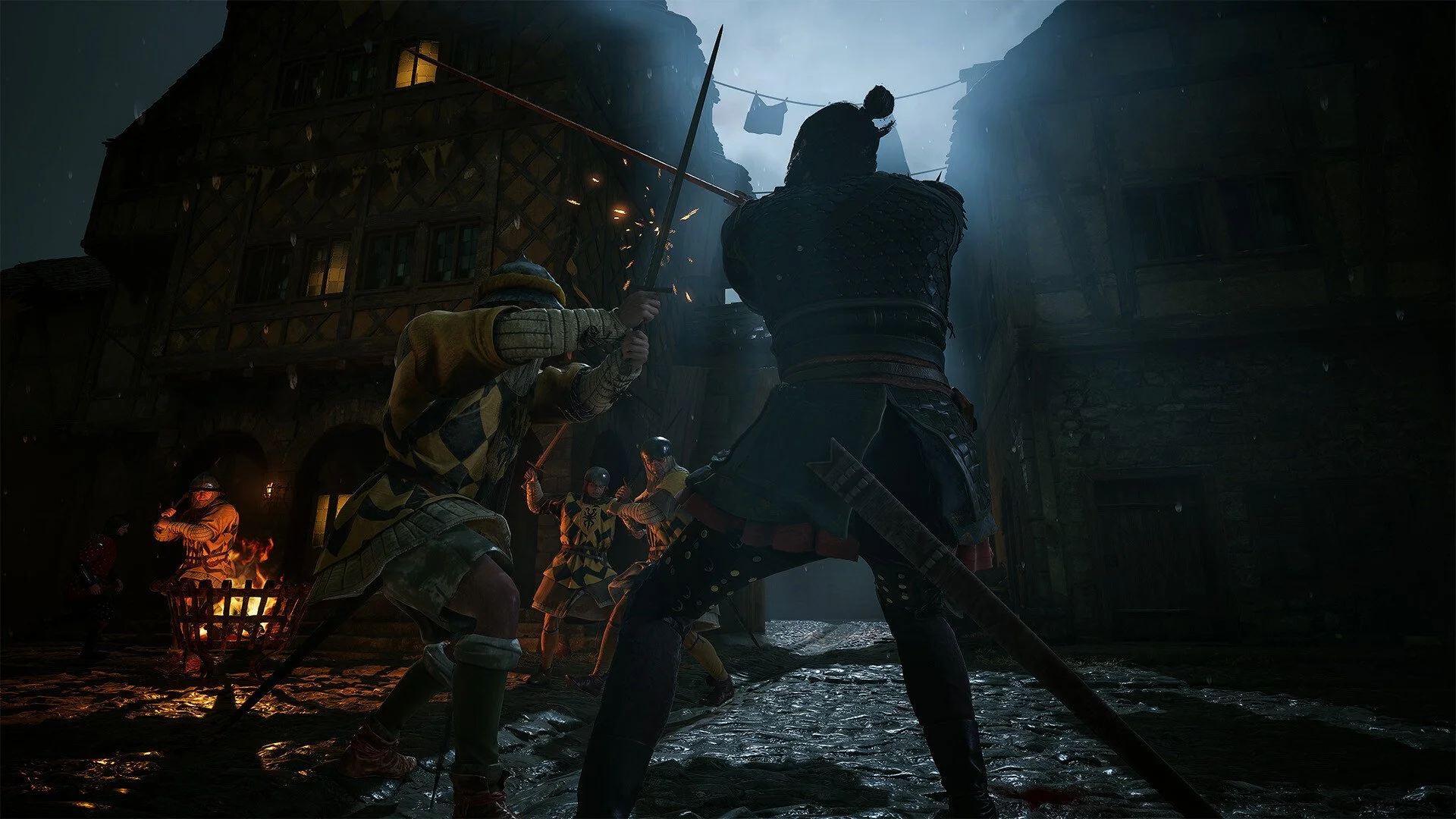
Combat combines directional sword fighting with Witchcraft and Vampiric abilities, letting Coen develop around several different styles rather than relying on one weapon or power set for the entire game. Blocking, dodging, abilities, status effects, and enemy weaknesses all become increasingly important as encounters get more difficult.
Progression is split across Swordmastery, Witchcraft, and Vampirism, with Perks and Abilities giving you room to specialize further. Vampirism also has its own Corruption progression tied to drinking blood, creating another path for unlocking stronger powers as the campaign continues.
Exploring Vale Sangora
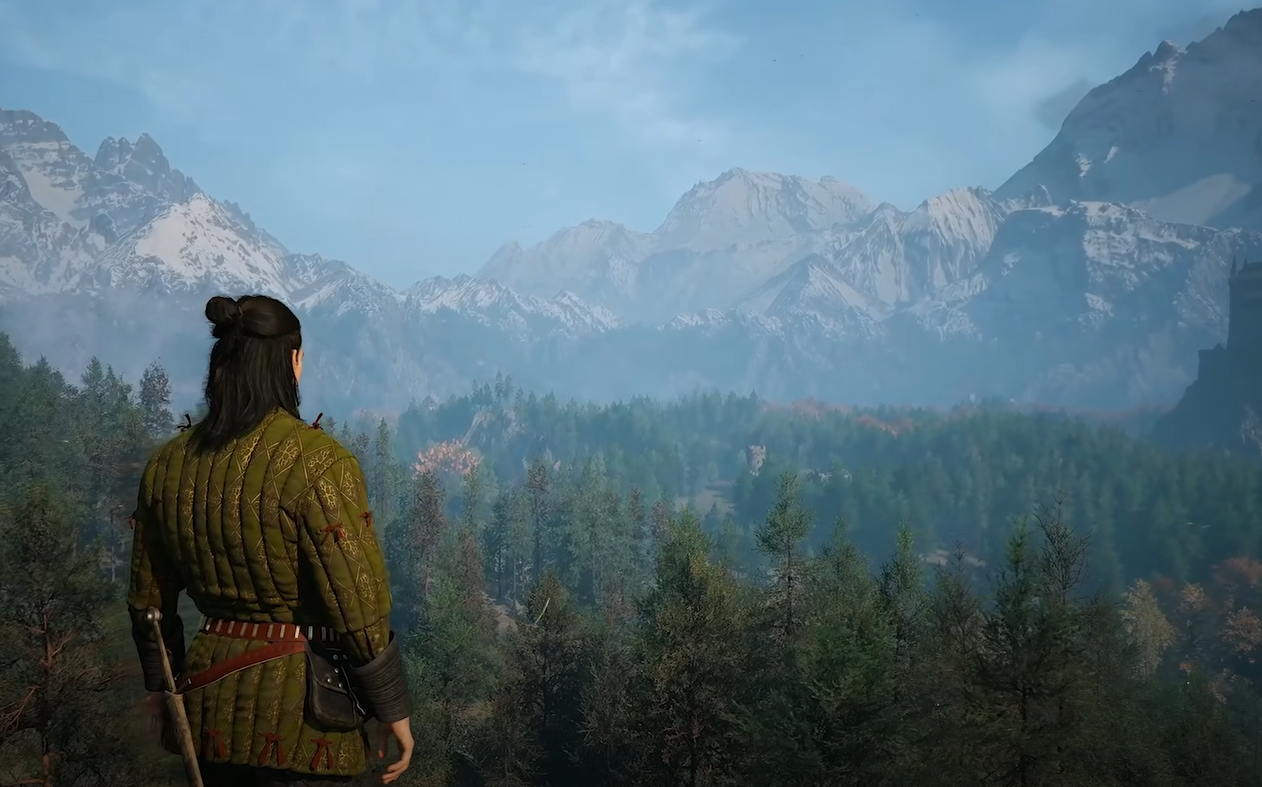
Vale Sangora is an open world filled with settlements, towers, ancient ruins, monster lairs, camps, hidden locations, merchants, side quests, and Court Activities connected to the vampires controlling the region. Climbing towers can reveal nearby points of interest, while Shrines provide fast travel across the map.
Because quests, time, character progression, exploration, and story decisions are all connected, The Blood of Dawnwalker gives you plenty of ways to approach the same overall campaign. Our guides below cover everything from builds and abilities to quests, trophies, exploration, progression, combat mechanics, and the decisions that are easiest to miss.