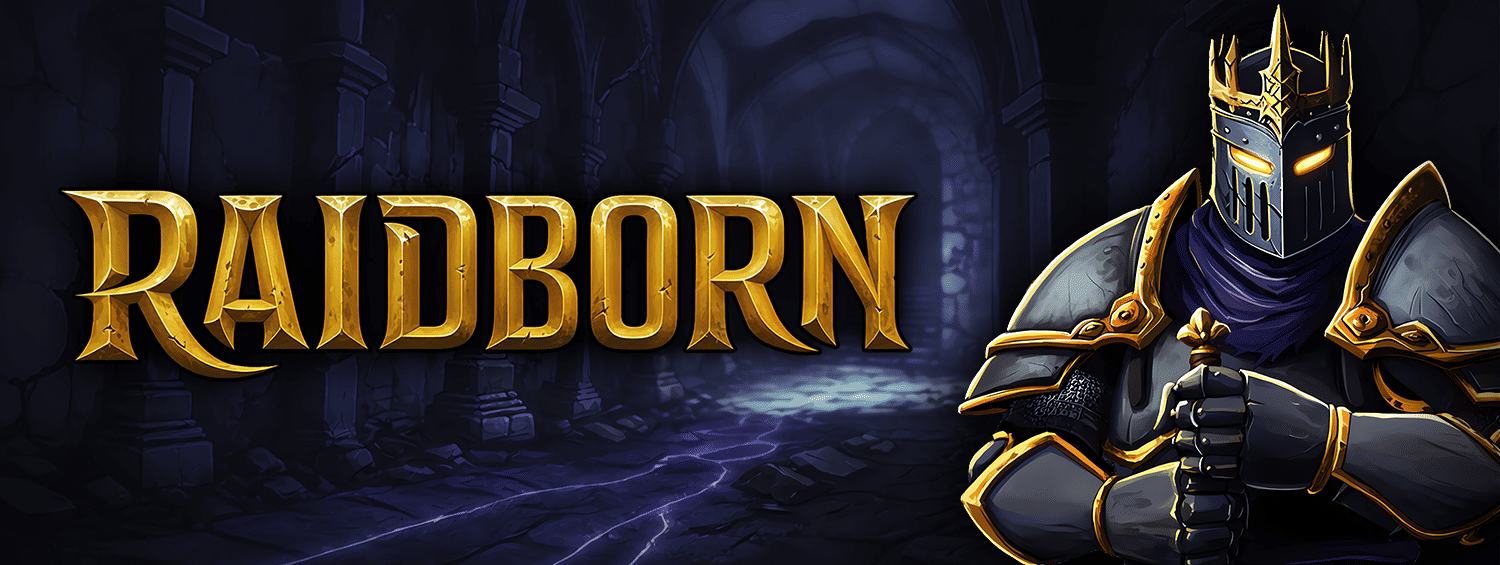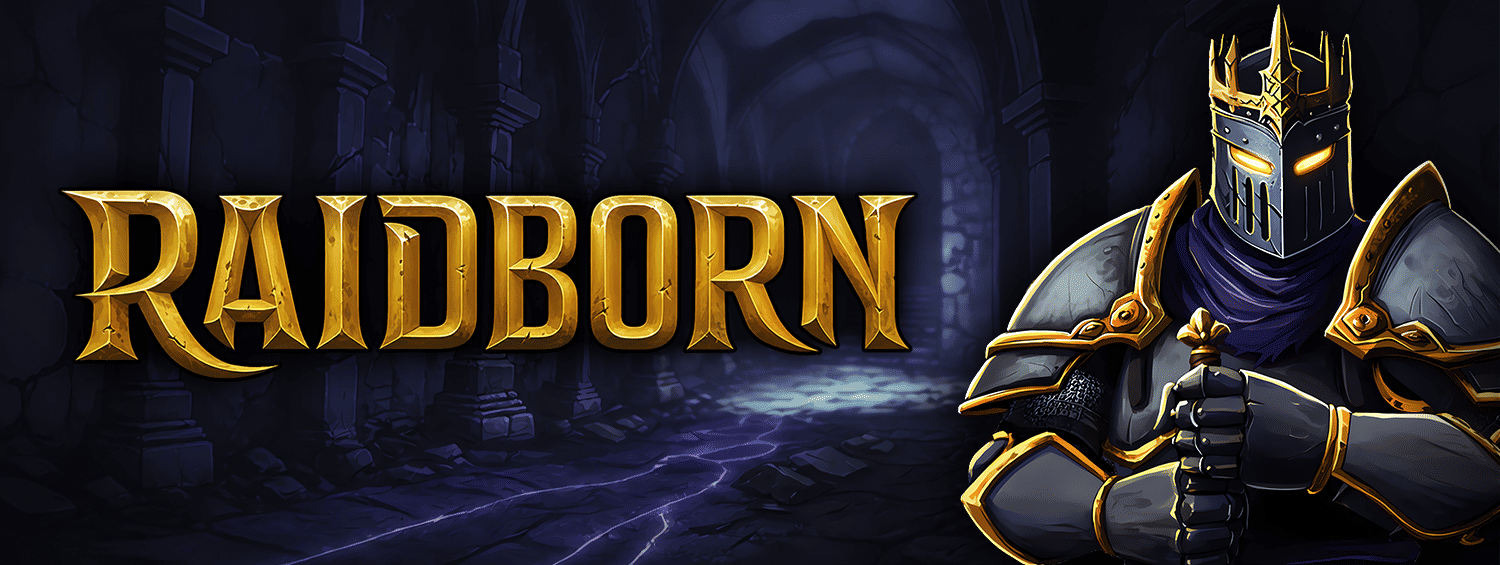
Raidborn is a first person fantasy dungeon crawler that takes the best part of a Bethesda style RPG, cuts out the long walks, and sends the player straight into caves, castles, loot, quests, and blunt force problem solving. It is simple, direct, and a lot more fun than its rough edges should allow.
In my opinion that is the biggest thing Raidborn gets right: The game does not waste much time. It is built around short dungeon runs, steady loot, quick quests, gear upgrades, base building, and that dangerous little voice that says “one more run” before ruining a normal bedtime. For a game centered on repeating the same core loop, I felt like Raidborn makes that loop feel genuinely good.
It has flaws, of course, as does any game. The story is not strong, enemy variety could be better, combat can get repetitive, and some systems still feel thinner than they should… BUT!!!! Even with all of that, the core gameplay is strong enough to carry the whole thing. Raidborn works because fighting through dungeons, grabbing loot, improving gear, and heading back out is just plain fun.
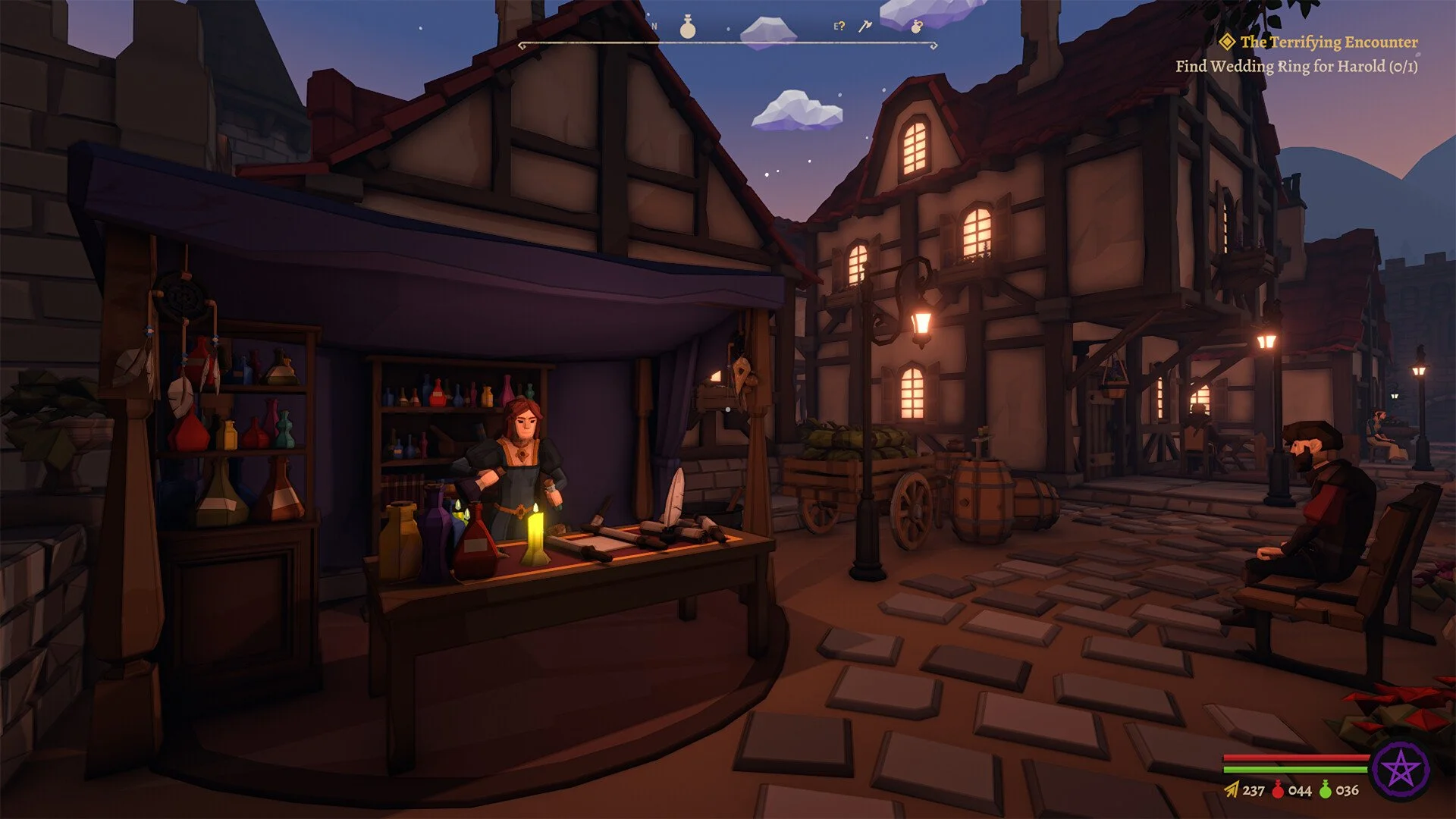
What Raidborn Is
Raidborn is a first person action RPG built around repeatable dungeon runs. The main loop is easy to understand. The player grabs quests in town, picks a dungeon from the map, clears enemies, finds loot, completes objectives, sells junk, upgrades gear, improves the base, and then heads back out for another run.
That sounds simple because it is simple. The important part is that Raidborn knows how to make that simplicity work. It does not bury the player under long travel, giant open world padding, or endless side distractions. The game wants the player in dungeons fast, and that focus is one of its best qualities.
This is not a full Elder Scrolls style adventure with massive towns, branching stories, and a world full of strange NPCs waiting to tell someone about their missing spoon collection. Raidborn is more focused than that. It takes the dungeon crawling part of those games and turns it into the main event.
That narrower focus helps the game. Raidborn feels best when treated as a quick, replayable fantasy loot runner instead of a giant RPG. It is built for players who want to fight, loot, upgrade, and repeat without being dragged through 20 minutes of setup before the fun starts.
The Dungeon Loop Is The Best Part
Raidborn’s dungeon loop is easily its strongest feature. The game gets the player into action quickly, and each run has enough loot, enemies, locked chests, secrets, and objectives to feel worth clearing fully.
The dungeons are procedurally generated, which keeps the layout from feeling exactly the same every time. Rooms change, enemy placement changes, loot placement changes, and the run structure gives the game a strong rhythm. It is not endless variety, but it is enough to keep the loop moving.
The best moments come from slowing down and actually checking the space. Locked chests, hidden items, materials, side paths, and small secrets make the dungeons feel more rewarding than a straight hallway to a boss. Raidborn is at its best when it makes the player feel like searching one extra corner was worth it.
That “one more dungeon” feeling is real here. The runs are short enough to feel manageable, but rewarding enough to keep pulling the player forward. Better gear leads to harder dungeons, harder dungeons lead to better loot, and better loot leads to more reasons to keep playing. It is an old loop, but Raidborn proves it still works when the basics are handled well.
Combat Is Simple, But It Feels Good
Raidborn’s combat is built around melee attacks, bows, blocking, parrying, power attacks, stamina, and kicking enemies into bad decisions. It is not the deepest first person combat system ever made, but it has enough weight and impact to make dungeon fights enjoyable.
The kick is the star. Sending enemies backward, knocking them down, or launching them into hazards gives the combat a physical feel that many first person RPGs miss. It is simple, but it adds personality. Any fantasy RPG that lets the player solve problems with a boot to the chest already understands at least part of the assignment.
Combat works best in smaller fights. Blocking a hit, landing a parry, swapping weapons, using a bow to soften up enemies, or finishing a fight with a well timed kick can feel great. The game gives the player enough tools to make each build feel a little different without turning the controls into a keyboard exam.
The weakness is that combat can start to feel too familiar after enough hours. Some enemies behave in predictable ways, group fights can get messy, and certain strategies become very easy to lean on. Raidborn could use more enemy attack patterns, more meaningful combat variety, and more encounters that push the player beyond the usual rhythm.
Even then, the combat stays fun because the game keeps the pace quick. Raidborn does not need every fight to be a tactical masterpiece. It needs the basic act of swinging, blocking, kicking, looting, and moving forward to feel good. Most of the time, it does.
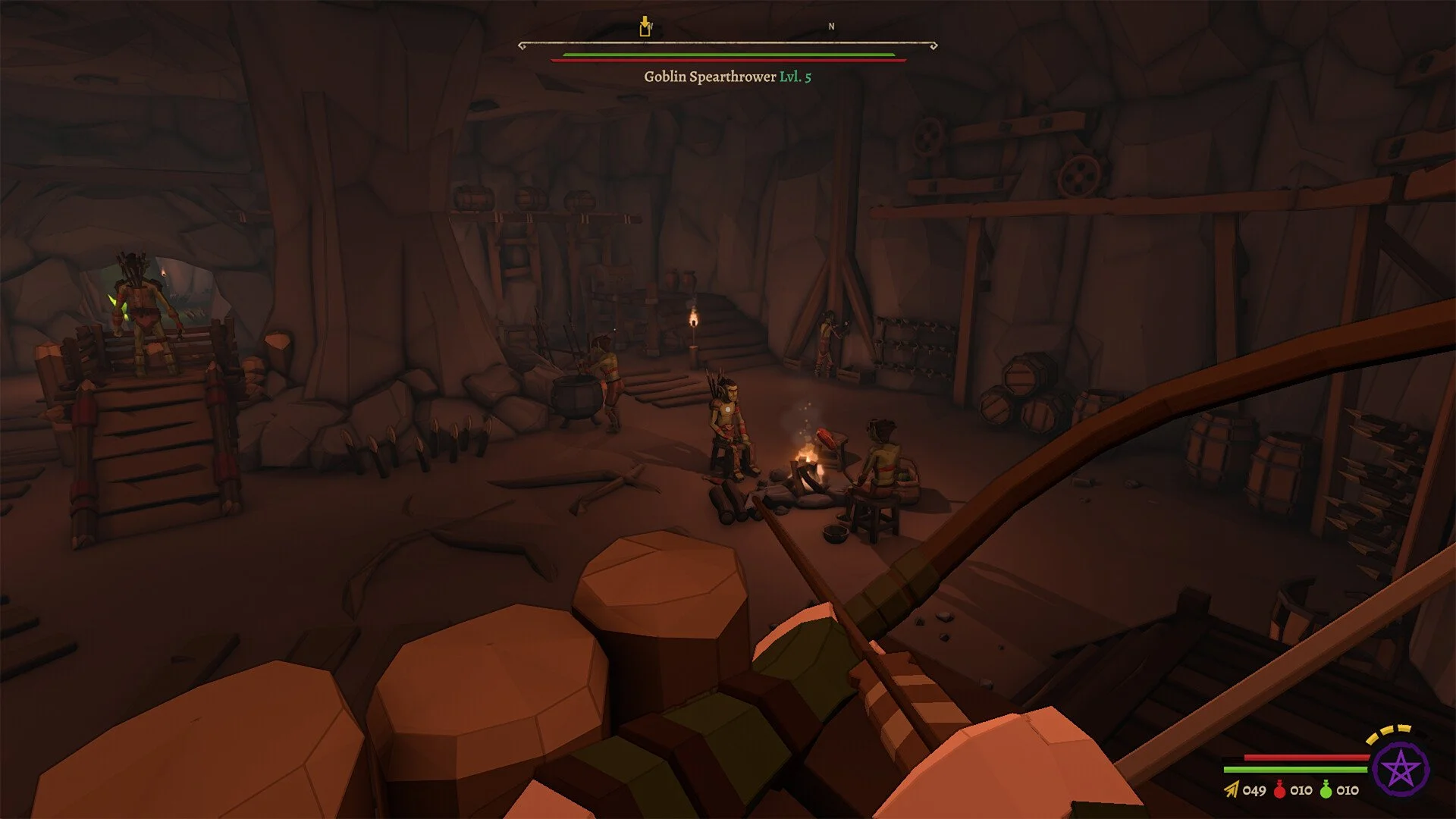
Loot And Progression Keep The Game Addictive
Raidborn understands that a dungeon crawler lives or dies by progression. The game keeps giving the player something to chase, whether it is better weapons, stronger armor, more gold, crafting materials, skill points, enchantments, base upgrades, or another quest reward.
The gear system is clean and easy to follow. The player is not managing 40 tiny gear slots or comparing boots with 1 percent more emotional damage resistance. Weapons, armor, shields, bows, and upgrades are simple to understand, and that fits the game’s faster structure.
Skills give the player a reason to shape a build. One handed weapons, two handed weapons, bows, defense, rogue skills, crafting, and other progression paths help make characters feel more personal. It is not an extremely complex RPG system, but it does enough to make level ups feel useful.
The base building adds another layer to progression. Building rooms, improving production, hiring workers, and using gathered materials gives dungeon loot more purpose. Instead of only selling everything and buying a bigger sword, the player can turn resources into long term upgrades.
That base system will not be for everyone. Some players may only want the dungeon crawling and see the base as extra management. Still, it gives Raidborn more staying power. It makes the world feel a little more connected and gives each run more value beyond whatever weapon drops from a chest.
The Story Is Weak, But It Does Not Sink The Game
Raidborn’s story is probably its weakest major part. It gives the player a reason to explore dungeons and chase bigger threats, but it does not have the writing, characters, or drama needed to carry the game by itself.
The main quest can feel repetitive, and the voice work is uneven. Some parts are fine, while others feel flat. This is not a game where the story is the reward for pushing through the gameplay. The gameplay is the reward, and the story mostly works as a reason to point the player toward another dungeon.
That sounds harsh, but it is also not a deal breaker. Raidborn is very clearly a dungeon crawler first. The story does not need to be amazing for the game to work. It just needs to give enough structure to keep the player moving, and it mostly does that.
The better stories come from the runs themselves. Finding a great weapon, surviving a bad room, kicking an enemy into spikes, opening a locked chest, or returning home with enough materials for a big upgrade creates stronger memories than most of the written plot.
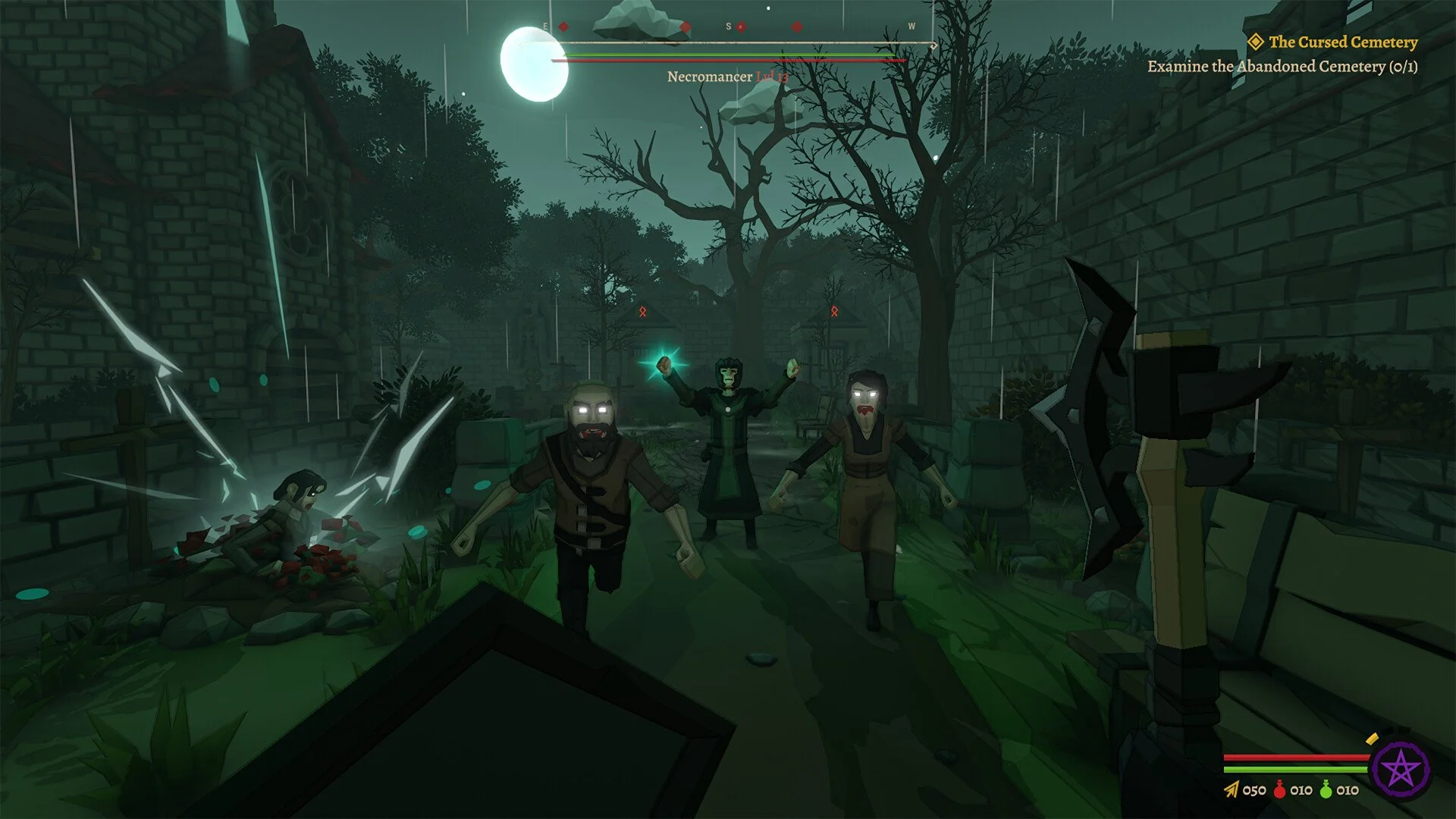
The Visual Style Fits The Game
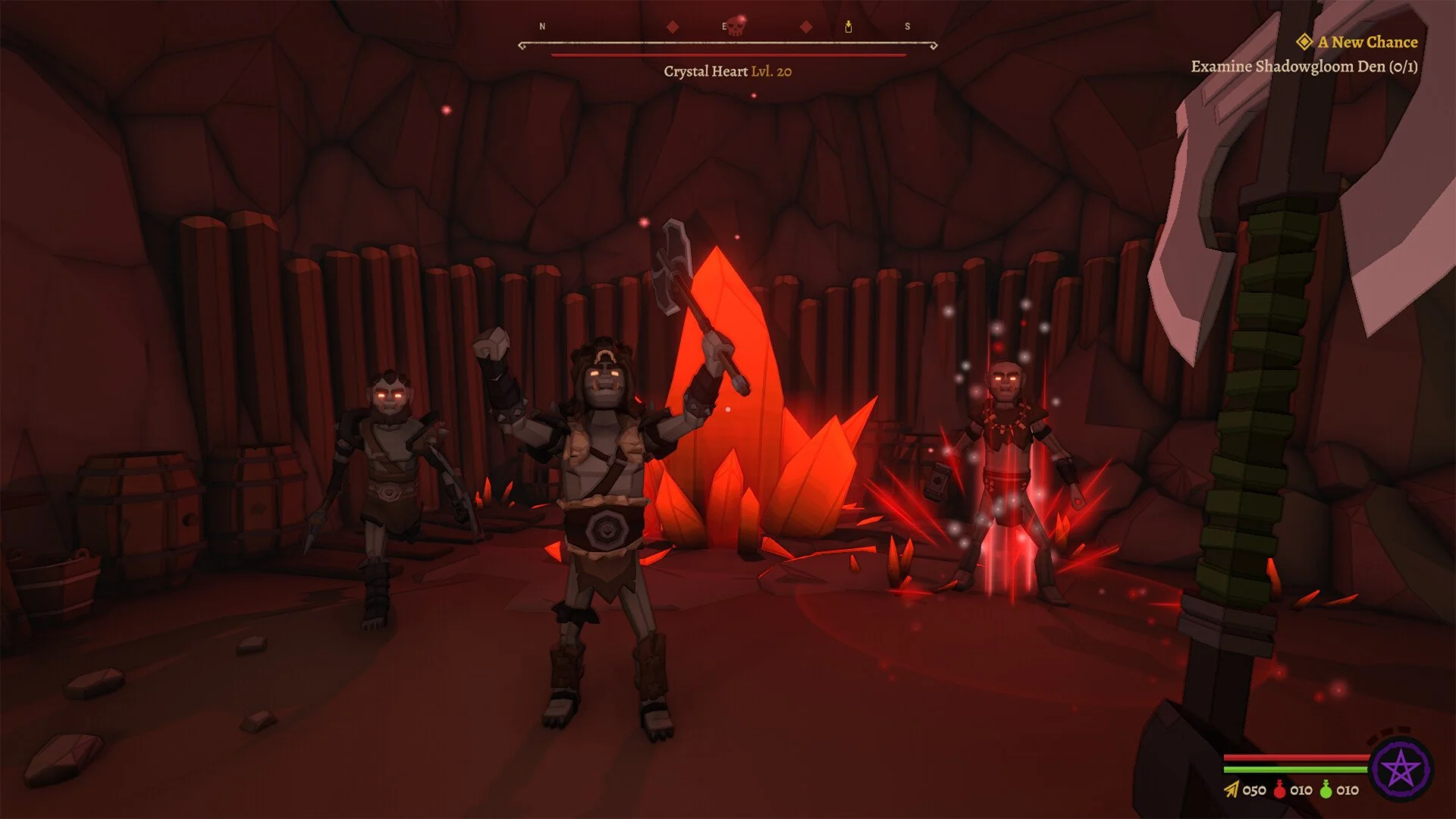
Raidborn uses a low poly fantasy style, and it works well for the type of game it is. The visuals are clean, readable, and consistent. It is not trying to look like a massive AAA fantasy RPG, and that is the right choice.
The dungeons have a strong mood when the lighting, room design, enemies, traps, and music line up. Castles, caves, loot clutter, and fantasy enemies all give the game a clear identity. It looks simple, but it does not look cheap in the way that hurts readability or atmosphere.
The art style also helps performance and pacing. Raidborn feels quick and smooth, which matters for a game built around jumping into repeated runs. The player is not waiting around for the game to become impressive. It just gets moving.
The downside is that the world could use more visual variety. More dungeon themes, more enemy designs, more strange rooms, and more unique set pieces would make repeat runs stronger. Raidborn has a good look, but it needs more of it.
Magic Being Separate Is A Weird Choice
One thing worth calling out is magic. For a first person fantasy RPG, magicc feels like one of those playstyles players naturally expect. In Raidborn, the base game is more focused on melee, bows, stealth, crafting, loot, and base building.
That does not ruin the game. Raidborn’s weapon focused combat is still fun, and the main loop does not fall apart without magic. Players who want swords, shields, bows, dungeon runs, and gear upgrades still get the heart of the experience.
Still, it is a strange gap. Magic is a major fantasy RPG fantasy, and some players will feel like the base game is missing a key archetype. Raidborn can still be great without it, but the absence is noticeable.
The better way to judge the base game is to treat it as a weapon focused dungeon crawler. If the main appeal is becoming a wizard, that is not really what the base game is built around. If the appeal is clearing dungeons and improving a physical build, Raidborn delivers.
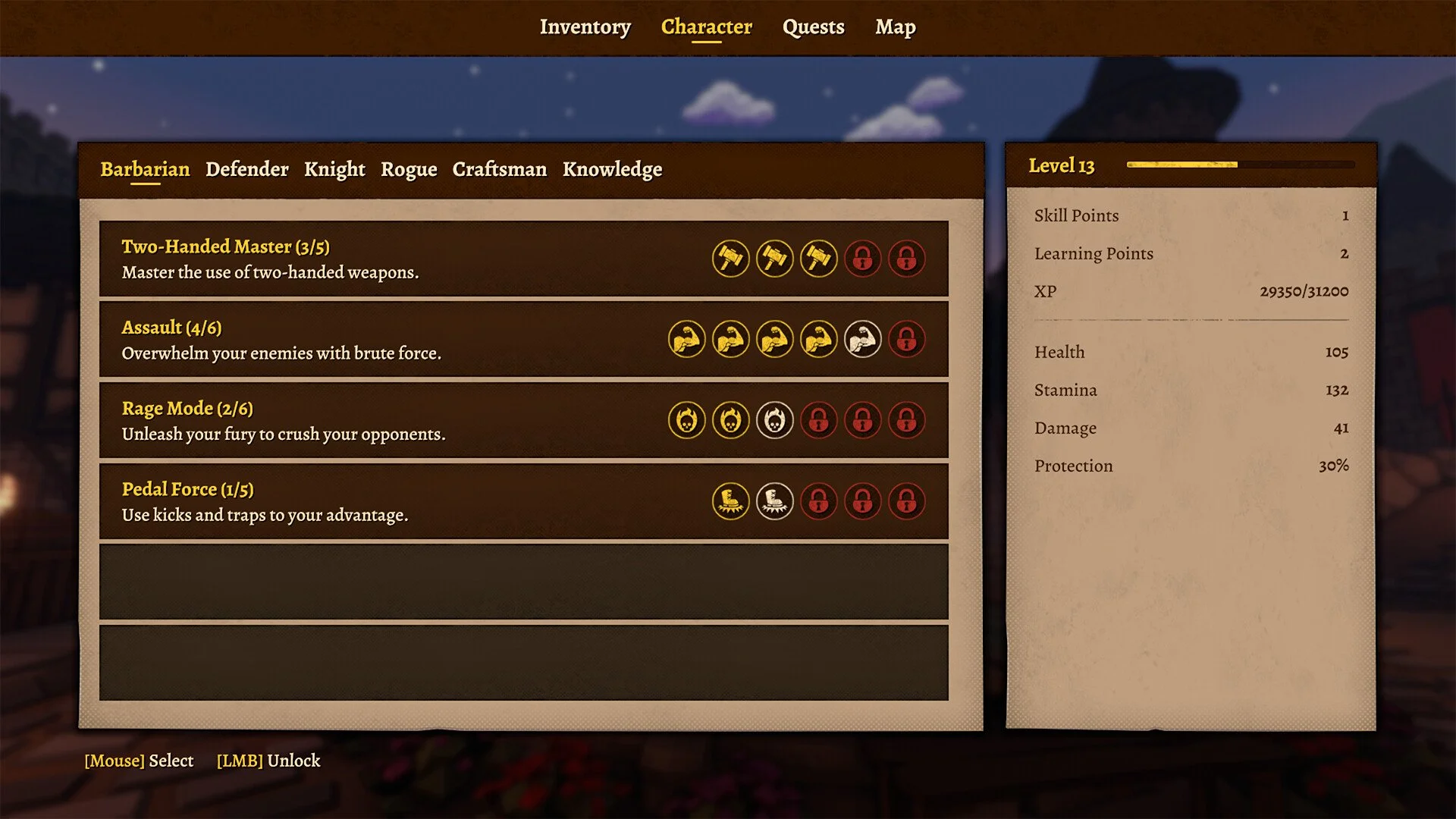
What Raidborn Does Well
Raidborn’s biggest strength is how fun the core loop feels. The game gets the player into dungeons quickly, rewards exploration, gives loot a purpose, and keeps progression steady. It is easy to understand and easy to keep playing.
The combat is also more enjoyable than its simplicity suggests. Kicking enemies, blocking attacks, swapping weapons, and pushing through rooms gives the game enough physical feedback to stay satisfying. It may not be deep enough for everyone, but it is fun.
The base building also helps the game feel more complete. It gives materials value, adds long term goals, and makes each dungeon run feel connected to something bigger than just selling another pile of loot.
Raidborn also deserves credit for knowing what it is. It does not try to be a giant open world RPG. It is a focused dungeon crawler with loot, builds, quests, and progression. That clarity makes the game easier to enjoy.
What Raidborn Could Do Better
Raidborn needs more variety. More enemies, more dungeon types, more boss designs, more quest structures, and more combat situations would make the game stronger. The current loop is fun, but it repeats loudly after enough runs.
The story also needs work. It is not strong enough to be a major selling point, and the main quest can feel more like a framework than a real hook. Raidborn gets away with that because the gameplay is fun, but a stronger story would help the whole game feel more memorable.
Combat could also use more depth over time. The basics are good, but enemies do not always force enough different reactions from the player. More attack patterns, smarter enemy behavior, and more meaningful encounter design would help the system last longer.
Even with those flaws, none of them erase what Raidborn does well. The game has rough spots, but the foundation is strong. The most important part of a dungeon crawler is wanting to run another dungeon, and Raidborn nails that better than many cleaner games.
Who Should Play Raidborn?
Raidborn is best for players who like first person dungeon crawling, loot grinding, short runs, gear upgrades, base building, and simple fantasy combat that gets straight to the point.
It is a strong fit for players who enjoy the dungeon side of Skyrim more than the walking across a mountain for 12 minutes side of Skyrim. It is also a good pick for players who want an indie RPG that can be played in smaller sessions without losing the feeling of progress.
It is not the right choice for players who want deep story choices, complex character customization, advanced enemy AI, a huge open world, or a full fantasy sandbox. Raidborn is narrower than that.
For the right player, that narrow focus is the appeal. Raidborn is simple, satisfying, and weirdly hard to put down once the loot loop starts working.
Final Verdict
Raidborn is a focused first person fantasy dungeon crawler with a fun core loop, satisfying loot progression, useful base building, and combat that feels good despite some clear limitations.
The game has flaws. The story is weak, enemy variety needs work, combat can become repetitive, and the overall package still has moments where it feels thinner than it should. Those issues are real, and they are worth mentioning.
Despite that, Raidborn succeeds where it matters most. The act of running dungeons, fighting enemies, finding loot, upgrading gear, and heading back out is genuinely fun. The game has that addictive pull that makes a simple loop feel better than a more complicated game with less momentum.
Raidborn is not perfect, but it has a strong identity and a gameplay loop that works. It knows the appeal of fantasy dungeon crawling, strips away the slow parts, and keeps the player focused on fighting, looting, and building power. For players who want a lean RPG built around quick dungeon runs, Raidborn is absolutely worth playing.
GamerBlurb Score: 8.8/10
Reviewed by Drew B.