Crimson Moon Coop Guide: How Many Players?
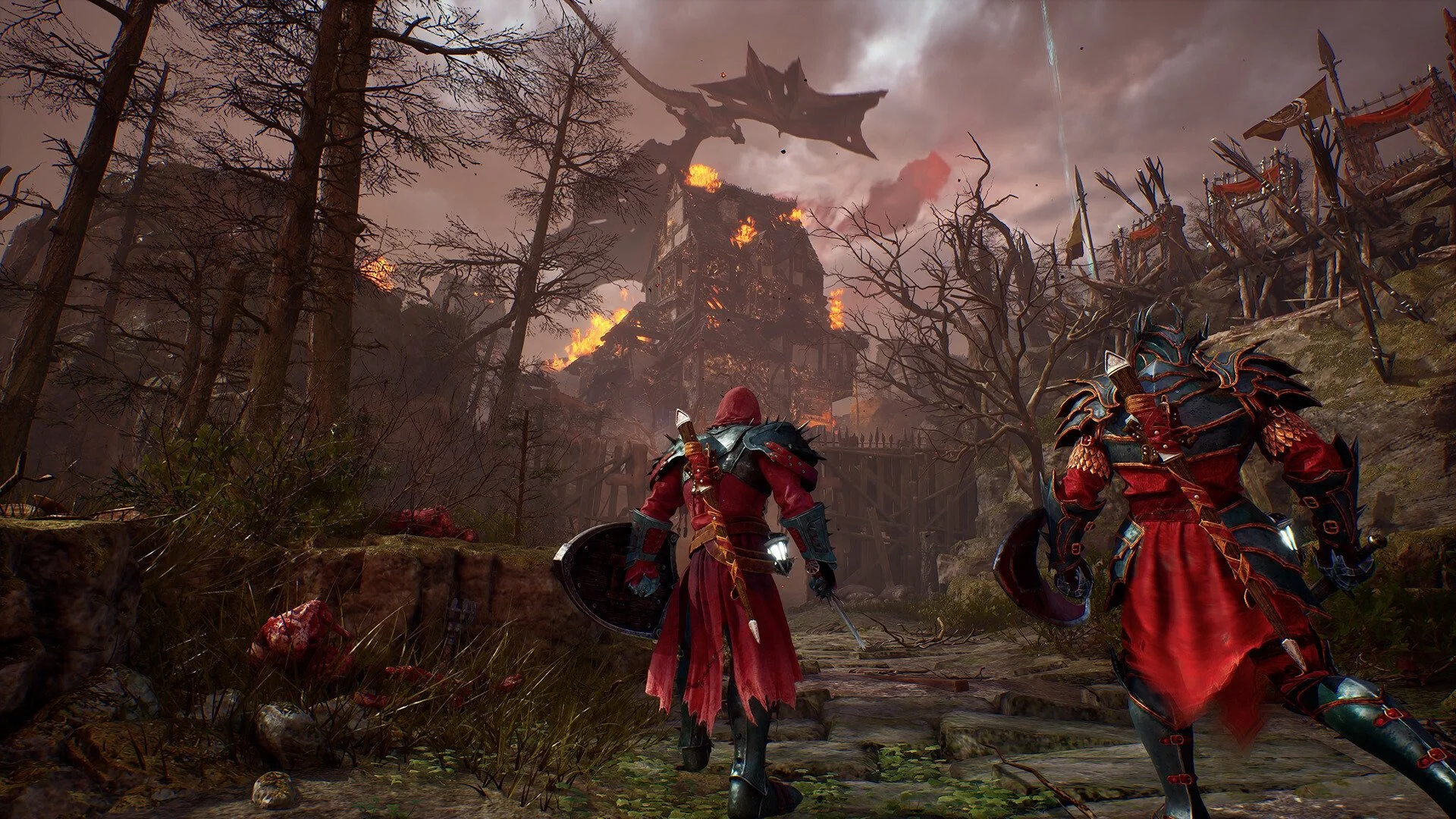
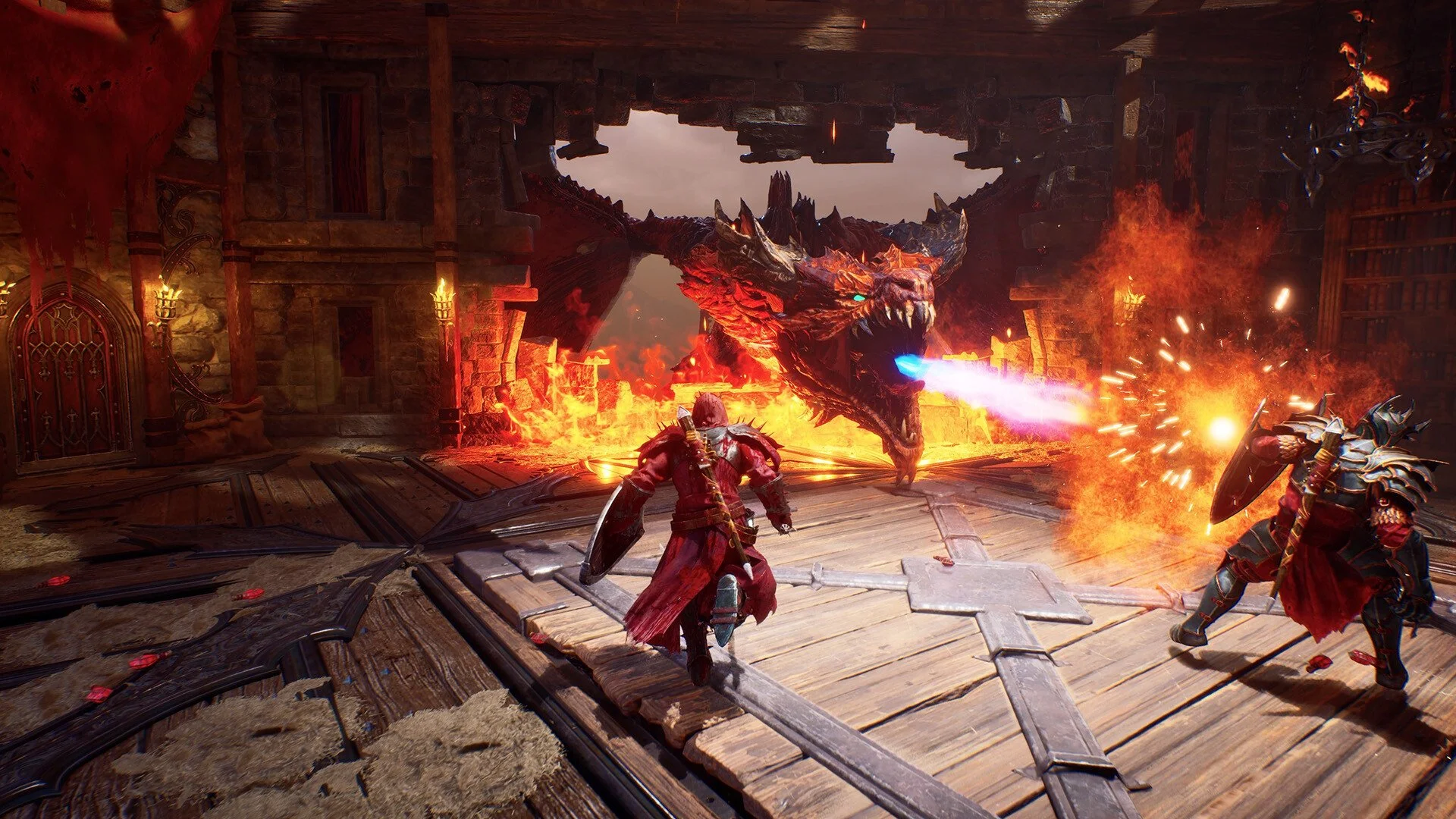
Crimson Moon supports two-player online co-op, meaning a Hunt can have a maximum of two players total: you and one other player. There is no three-player or four-player party system. You can also play completely solo, with the game dynamically adjusting Hunts depending on whether one or two Nephilim are taking part.
Jump To Section:
How Many Players?
How Co-op Works
Shared Lives Explained
Does Co-op Make the Game Easier?
How to Start Co-op
Best Co-op Build Strategy
Solo vs Co-op
How Many Players Can Play Crimson Moon Co-op?
Crimson Moon has a maximum co-op party size of two players. In other words, two-player co-op means two people total rather than you plus two additional friends. One player hosts or begins the Hunt and one other Nephilim can fight alongside them.
You cannot create a three-player or four-player squad. Crimson Moon is designed around either a single Nephilim or a pair, and its cooperative mechanics are built specifically around that two-person setup.
This makes the multiplayer considerably different from co-op games where you're assembling an entire party. Your one teammate matters much more because they're responsible for half of the players in the Hunt, and some of Crimson Moon's multiplayer systems directly connect the survival of both characters.
How Does Co-op Work in Crimson Moon?
Co-op lets both players tackle the same Hunts together, fighting through the wards, collecting equipment, developing their builds, and eventually facing bosses as a pair. Crimson Moon remains the same run-based game fundamentally, but bringing another player changes both the encounters you're facing and the strategies available to you.
The second player isn't simply free extra damage. Crimson Moon dynamically scales its Hunts between solo and two-player play, so adding a partner also changes the challenge you're taking on. The advantage comes from having two independently controlled builds that can cover different weaknesses, pressure separate enemies, rescue one another, and combine effects rather than simply doubling the damage of a solo run.
That's also why I'd avoid both players automatically copying the exact same build. Crimson Moon already lets you specialize through weapons, Weapon Arts, Boons, equipment, and Angels, and two players give you room to cover more of those roles simultaneously.
How Shared Lives Work in Crimson Moon Co-op
The most important multiplayer mechanic is the communal life pool. Death isn't completely isolated to the player who made the mistake; both players are effectively working with the same overall supply of lives throughout the Hunt.
If your partner falls, you can resurrect them and continue fighting. However, deaths consume the team's shared resources and move the entire pair closer to failing the Hunt. A player repeatedly dying therefore affects both people rather than simply forcing that player to wait for another respawn.
I think this is the biggest reason Crimson Moon co-op shouldn't be played like two separate solo runs happening beside each other. If your teammate is in trouble, protecting or resurrecting them can be more valuable than squeezing in another attack against an enemy. Their death is eventually your problem too.
Does Crimson Moon Co-op Make the Game Easier?
Not automatically. Crimson Moon uses dynamic scaling between solo and two-player Hunts, so the game accounts for the additional Nephilim rather than letting two players walk through encounters balanced for one.
You still gain advantages that the scaling can't completely replicate, though. One player can draw attention while the other attacks, you can rescue a fallen partner, and two different builds can solve different problems. Against groups in particular, simply having another independently controlled player gives you options that aren't available while playing alone.
On the other hand, the shared life system means a weaker partner can also make a run harder. If one player repeatedly dies, both players are paying for those mistakes. Co-op is therefore strongest when you're actually cooperating rather than just entering the same Hunt and fighting whatever happens to be closest.
How to Play Co-op in Crimson Moon
Multiplayer is handled through the Portal in the Sanctus Clypeus hub. The Portal is also where you prepare your loadout and deploy into a mission, with matchmaking available before beginning the Hunt.
It's worth preparing before deploying rather than treating the loadout screen as an individual decision. Both players can look at the weapons, equipment, Angels, and general build direction they're bringing, then avoid unnecessary overlap if one person can already cover a particular role especially well.
Crimson Moon also supports cross-platform multiplayer across its PC, PS5, and Xbox Series X|S versions, so your co-op partner does not necessarily need to own the game on the same platform as you.
Build Around Your Partner in Co-op
One of the more interesting differences between solo and co-op is that the best individual build isn't necessarily the best two-player combination. In solo, your build ideally needs enough damage, survivability, mobility, and resource generation to handle an entire Hunt itself. With another Nephilim around, those responsibilities can be divided.
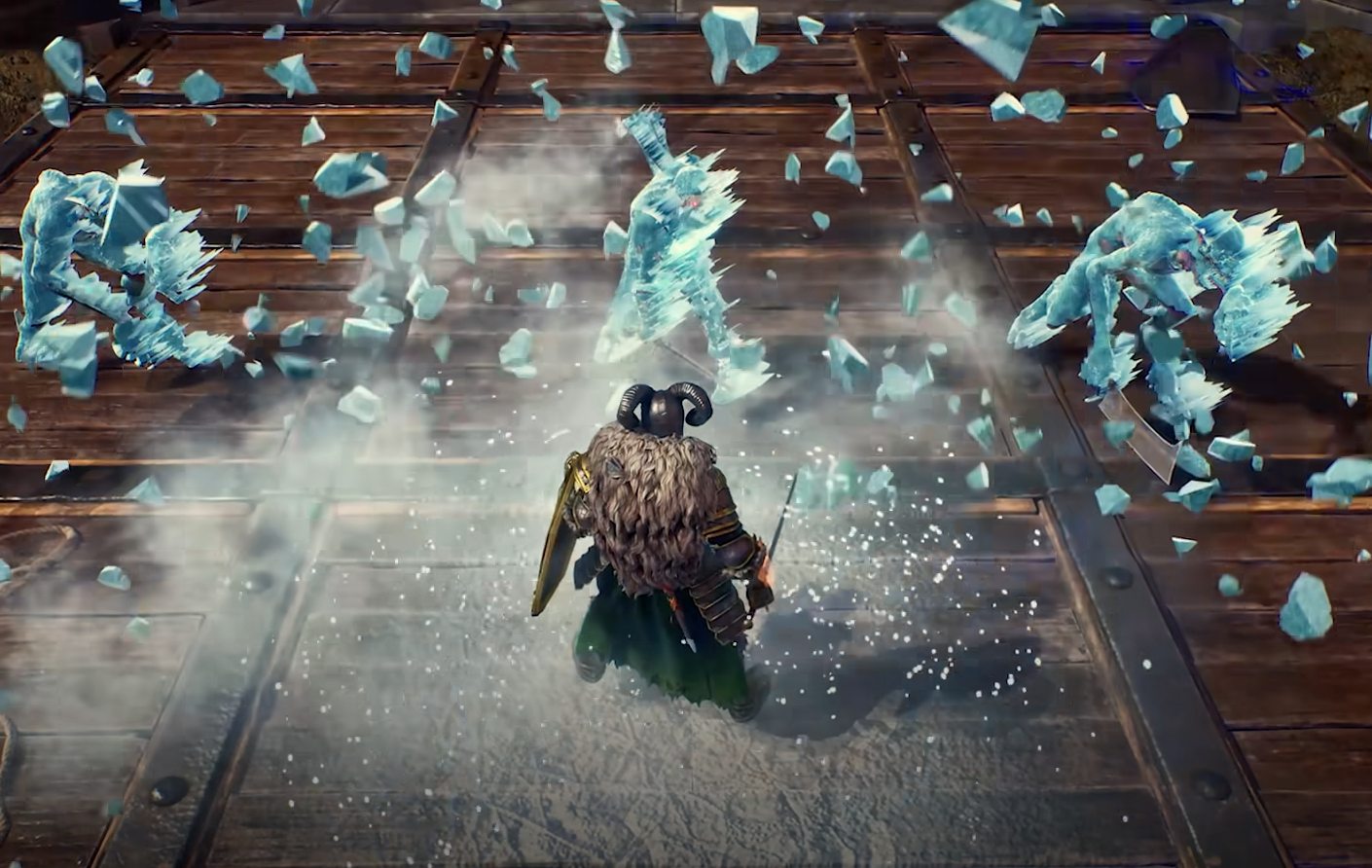
For example, a player running strong Frost and control effects can create safer openings while the second player invests more aggressively into Bleed, Sunderance, light attacks, or another damage engine. Likewise, Angelic Bulwark becomes particularly useful in multiplayer because its defensive area can benefit allies rather than functioning purely as personal protection.
The same principle applies to Boons discovered during a Hunt. Don't automatically choose the individually strongest-looking option without considering what your teammate is already doing. Two builds that complement each other can be considerably more useful than two copies of a good solo setup.
For specific setups, my Crimson Moon best builds guide covers Angelic Grace, Bleed, Frost, and survival-focused builds that can also be adapted around a co-op partner.
Should You Play Crimson Moon Solo or Co-op?
You don't need a partner to play Crimson Moon. The game is designed to be fully playable solo, and Hunts dynamically scale depending on whether you're playing alone or with another person. You aren't missing a required party role or trying to complete content intended exclusively for a two-person group.
I'd choose co-op if you specifically want the added teamwork. Shared lives, revives, complementary builds, and coordinating against bosses make multiplayer meaningfully different rather than simply putting another character on the screen. Solo is cleaner if you'd rather control the entire pace of a Hunt yourself and not have your survival tied to another player's mistakes.
If you're starting either way, my Crimson Moon tips and tricks beginner guide goes deeper into Hunts, purification, equipment, Boons, reserve slots, and the progression systems you'll be managing in both solo and multiplayer.
Crimson Moon Multiplayer Player Count Explained
Crimson Moon supports one or two players. You can complete Hunts entirely solo or bring one other player for two-player online co-op, but there is no three-player or four-player party option.
When playing together, the Hunt scales for co-op and both Nephilim share a communal life pool, with the ability to resurrect a fallen partner. That makes Crimson Moon's multiplayer less about simply adding another source of damage and more about keeping two builds—and two players—working together long enough to reach the end of the run.