Onimusha Way of the Sword: How to Issen
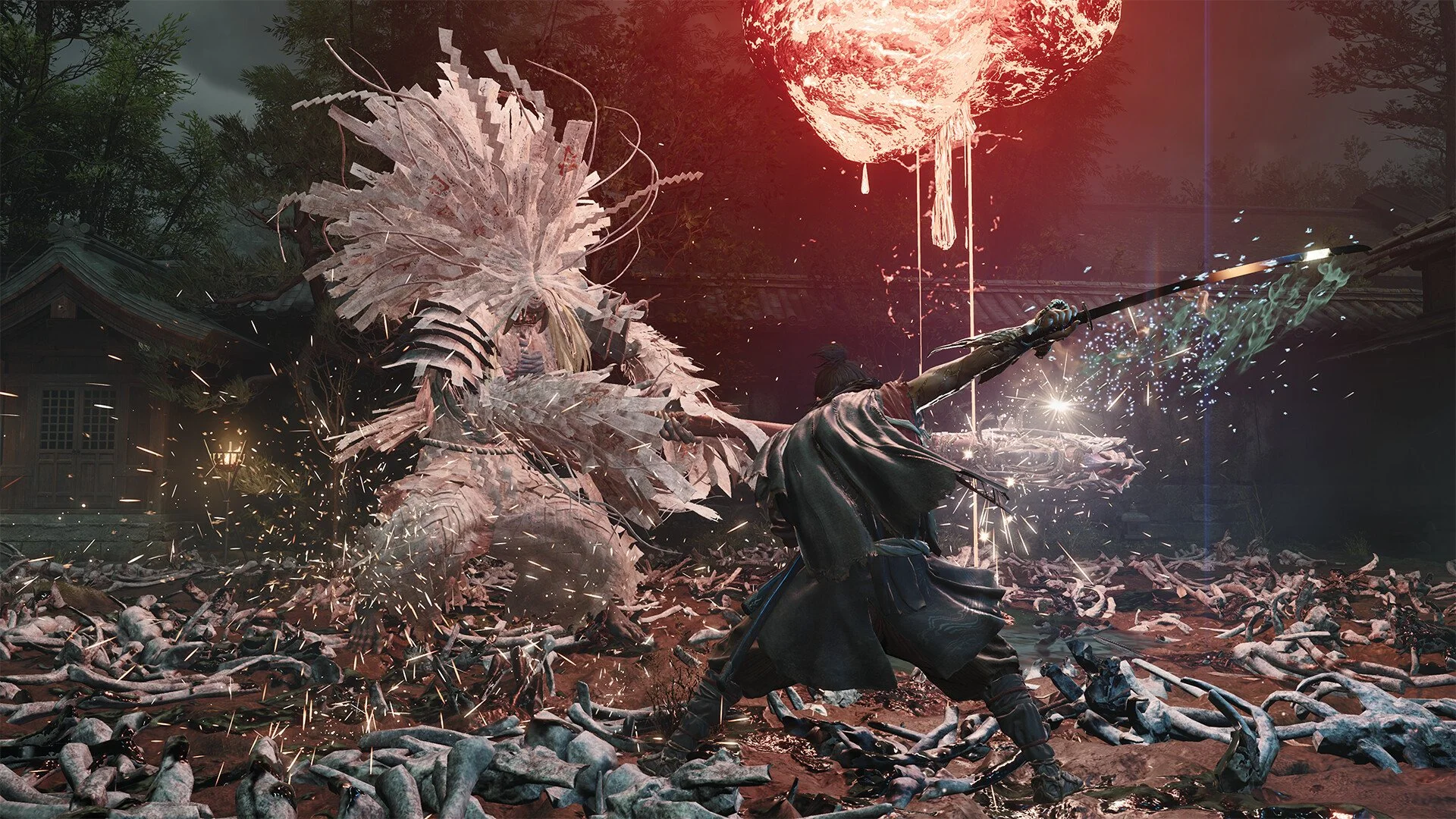
Issen is one of the strongest counters in Onimusha: Way of the Sword, but the timing is much more aggressive than a normal parry. Instead of blocking an enemy attack as it reaches you, you need to start your own attack in the brief moment just before their hit connects.
Jump To Section:
How to Perform an Issen
When to Attack for an Issen
Issen vs Parry Timing
How to Practice Issen
Why Your Issen Is Not Working
Issen vs Deflect and Break Issen
When Should You Use Issen?
How to Perform an Issen in Onimusha: Way of the Sword
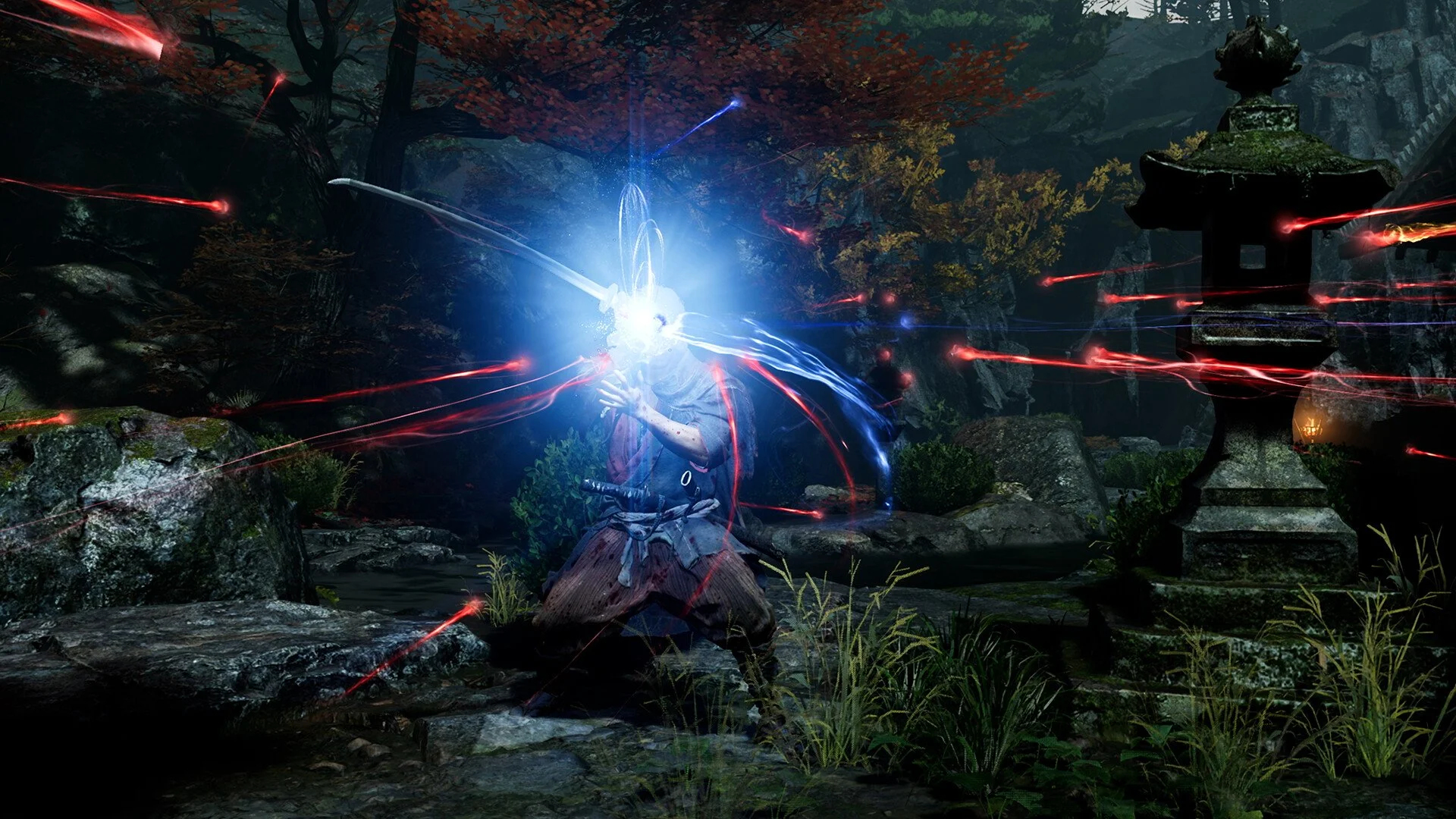
To perform an Issen, begin an attack immediately before an enemy's attack would hit Musashi. If you catch the correct window, Musashi avoids the incoming blow and answers with a powerful counterattack.
The important part is that Issen is not performed by waiting for the attack to connect and then reacting. You are essentially challenging the enemy's attack with one of your own at the last possible moment.
That makes Issen considerably riskier than simply defending. Attack too early and you may just begin a normal attack while the enemy is still swinging. Attack too late and their hit reaches you first.
When you get it right, the difference is obvious. Musashi quickly shifts around the incoming attack and delivers the Issen instead of continuing into an ordinary sword swing.
When Should You Attack for an Issen?
The easiest way to think about Issen timing is to watch the enemy rather than Musashi. You are waiting for the attack animation to reach the point where the weapon is actually about to hit you, then committing to your own attack immediately before contact.
I wouldn't try to memorize one universal amount of time before every attack. Different enemies, weapons, and animations can naturally make the visual cue look different. What remains consistent is the relationship between the two attacks: the enemy has already committed, their strike is about to reach you, and you attack before it does.
That also means the beginning of an enemy's wind-up is usually too early. Seeing a sword raise above someone's head is not necessarily your Issen cue. You want the later portion of the animation when the attack is transitioning from preparation into the part that will actually connect with Musashi.
My advice is to focus on one easily readable enemy attack at a time while learning. Trying to Issen every animation immediately makes it harder to understand whether your problem is the mechanic itself or simply an unfamiliar attack pattern.
Issen vs Parry Timing Explained
This is probably the most useful distinction to understand if you keep successfully defending but cannot consistently trigger an Issen.
A normal parry is performed by blocking as the enemy attack lands. Issen instead requires you to attack just before that same moment, and its successful timing window is even smaller.
So although both mechanics reward reading an incoming attack, they are asking you to make different decisions. Parry is defensive: let the attack reach you and intercept it. Issen is offensive: recognize that the hit is about to arrive and beat it with your own attack.
That explains why someone who becomes comfortable parrying can still struggle with Issen. Your instincts may be trained to wait for the exact point of impact. For Issen, that can already be too late because your own attack needs to begin before the enemy reaches that point.
If your parries are reliable but your Issen attempts keep turning into you getting hit, I would experiment with attacking slightly earlier than your normal parry reaction rather than making huge changes to the timing.
How to Practice Issen Timing
The best way to learn Issen is not to repeatedly throw it at every enemy and hope the timing eventually makes sense. Strip the interaction down to one attack you can recognize consistently.
Let an enemy begin the same attack several times and first watch where you would normally parry it. Once you understand that impact point, start moving your input slightly earlier and use an attack instead of block.
This gives you an actual reference point. A successful parry tells you that you correctly identified when the enemy's attack reaches Musashi. Issen then asks you to move just ahead of that moment.
I also wouldn't worry about maximizing damage while practicing. The objective is learning the visual cue. Once you can deliberately produce Issen instead of occasionally getting one by accident, you can start applying it against faster enemies and less predictable attack strings.
Enemies with long, exaggerated wind-ups can actually be deceptive at first because there is so much animation before the hit. Ignore most of that preparation and pay attention to the final acceleration toward Musashi.
Why Is My Issen Not Working?
If you're attacking but only getting normal sword swings, the most likely explanation is that you're attacking too early. The enemy has started its animation, but its blow is not yet close enough for the Issen window.
If you're getting hit before Musashi can counter, you're likely on the other side of the window and attacking too late. This is especially easy to do if you've already trained yourself to wait until the moment you would normally press block for a parry.
Another mistake is treating every defensive mechanic as if it leads into Issen automatically. A successful parry is useful, but parrying an attack and performing an Issen are separate responses to that attack. You don't need to parry first and then press attack to turn it into a normal Issen.
I also wouldn't judge your timing from one enemy. Onimusha gives enemies different attack animations, so becoming comfortable with Issen means learning to recognize the point of commitment rather than memorizing a single rhythm for the entire game.
Finally, remember that the smaller timing window is intentional. Issen is positioned as a high-risk, high-reward move. If it feels less forgiving than parry, you're not necessarily misunderstanding the mechanic.
Issen vs Deflect and Break Issen
Issen can also be confused with Deflect and Break Issen because all three revolve around responding to an incoming attack, but they work differently.
Deflect involves blocking and using the dodge input as an attack lands. Unlike a regular parry, a Deflect focuses heavily on damaging the enemy's stamina rather than immediately breaking their stance.
Repeated stamina damage can eventually open an enemy to Break Issen, which is a special finishing attack capable of killing many weaker enemies and dealing substantial damage to stronger opponents.
Normal Issen doesn't require you to first drain an enemy's stamina. You're attempting the counter directly by attacking immediately before their strike connects.
That's an important strategic difference. Break Issen gives you a route toward a powerful payoff through stamina pressure. Standard Issen asks you to accept the timing risk right now in exchange for landing one of Musashi's strongest immediate counters.
When Should You Actually Use Issen?
You don't need to turn every enemy attack into an Issen attempt. Onimusha gives you several defensive answers specifically because different situations call for different levels of risk.
Holding block can stop most attacks from any direction, but every blocked hit costs stamina and completely exhausting that stamina breaks Musashi's stance. Parrying is more rewarding and can leave enemies vulnerable, while successful parries also contribute toward the Blaze Gauge and eventually Blazing State.
Deflect gives you another option when you want to pressure an enemy's stamina, and it can even return projectiles. Some attacks cannot be handled with parry or Deflect at all, making dodge important as well.
Issen sits at the aggressive end of that spectrum. I would use it most deliberately against attacks I've already learned rather than treating it as my default defensive input against something I've never seen before.
That approach makes the risk much easier to manage. Block or parry while you're learning what an enemy does, identify the attacks whose timing you can read comfortably, then start replacing the safer response with Issen attempts.
Once that timing clicks, the mechanic makes a lot more sense. You're not waiting for an enemy to attack so you can defend yourself. You're waiting until they're committed enough that you can attack directly through the opening they just created.
How to Issen in Simple Terms
Wait until an enemy's attack is about to hit Musashi and start your own attack immediately before contact. The timing window is smaller than a normal parry, so attacking during the enemy's wind-up will usually be too early while waiting until the normal parry moment can leave you too late.
If you're struggling, practice against one predictable attack, learn exactly when you would normally parry it, and then move your attack input slightly ahead of that point. Once you stop treating Issen like another block timing and start treating it as an offensive interception, it becomes much easier to understand what the game is asking you to do.