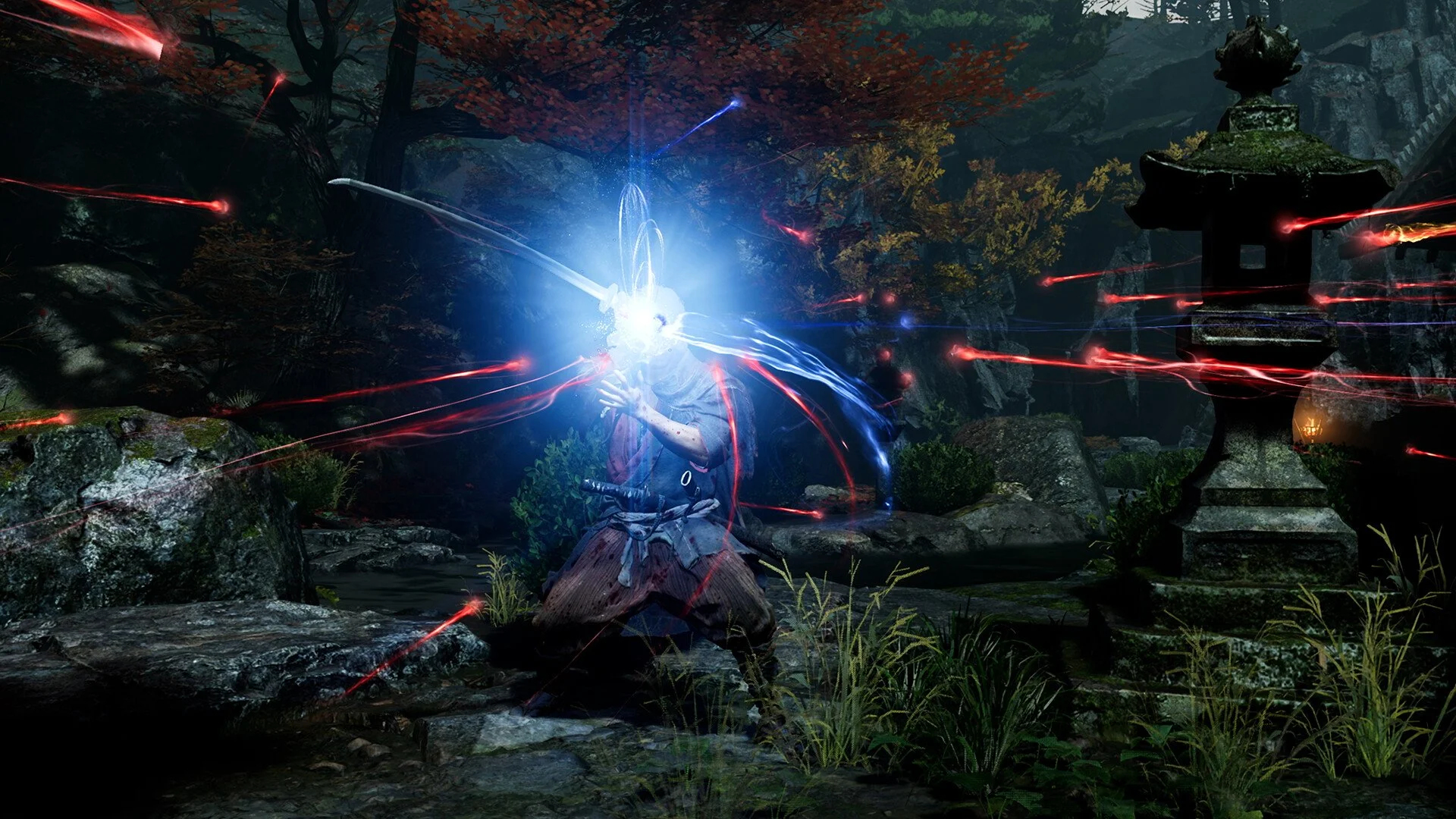
Onimusha Way of the Sword Difficulty Settings Explained
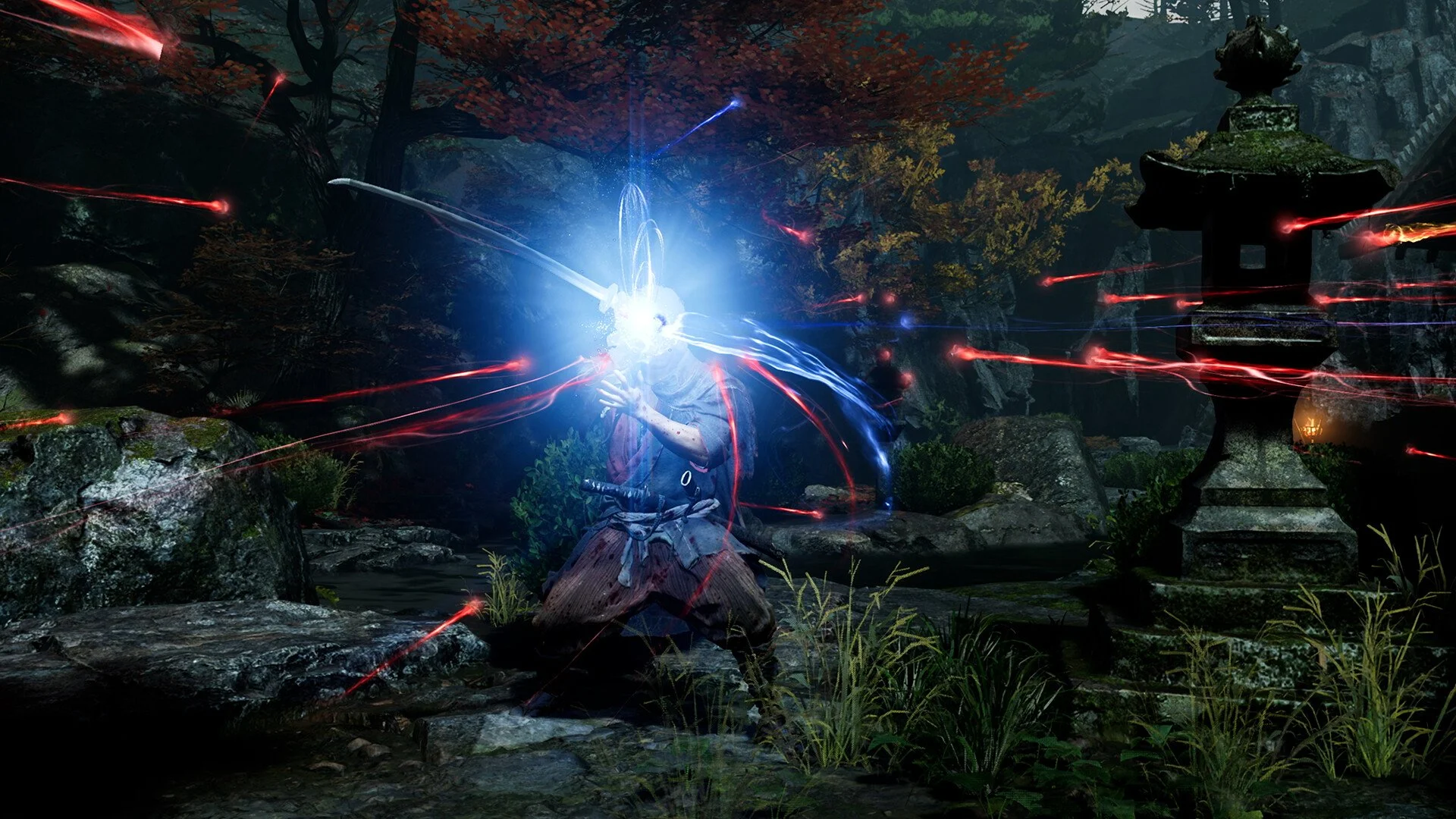
Onimusha: Way of the Sword has three difficulty settings: Story, Action, and Carnage. Story and Action are available from the beginning and can be changed during your playthrough, while Carnage only unlocks after beating the game and becomes a permanent choice for that run.
Jump To Section:
All Difficulty Settings
Story Difficulty Explained
Action Difficulty Explained
Which Difficulty Should You Pick?
How to Change Difficulty
How to Unlock Carnage
How Carnage Difficulty Works
What Carries Into Carnage NG+
Other Difficulty Options
All Difficulty Settings in Onimusha: Way of the Sword
Onimusha gives you two normal difficulty options on a fresh save: Story and Action. A third setting, Carnage, becomes available only after completing the game once.
I would think of these less as three points on one normal difficulty slider and more as two different stages of progression. Story and Action are your first-playthrough choices. Carnage is essentially the challenge mode waiting for you afterward.
That distinction matters because Story and Action remain flexible. If you start on Action and decide a boss is becoming more frustrating than fun, you aren't permanently stuck there. Carnage works differently and should be treated as a deliberate commitment.
Story Difficulty Explained
Story is the easier starting option and is specifically intended for players who want to focus more on the story or aren't as comfortable with action games.
On Story, Musashi deals increased health and stamina damage while taking less damage from enemy attacks. Action prompts are also enabled by default, giving you visible button guidance for how to respond to incoming attacks.
That doesn't mean the combat systems disappear. You still have parries, Deflects, Issen, dodges, stamina, and the rest of Musashi's kit. Story simply gives you more room to learn those systems without every mistake costing as much.
I actually think Story makes sense if you're mainly interested in progressing and don't particularly enjoy retrying bosses. Onimusha's combat is heavily timing-based, so reducing punishment can make learning the systems much less frustrating without removing them entirely.
You can still practice the harder mechanics here too. If you want to get better at one of the game's tightest counters before eventually moving up, my Onimusha Way of the Sword Issen guide breaks down the timing difference between Issen and a normal parry.
Action Difficulty Explained
Action is the standard choice I would recommend to anyone already comfortable with modern action games. The game describes it as a more challenging setting intended for experienced action players, and it expects you to actually engage with Onimusha's defensive mechanics rather than simply absorb attacks.
This is also where the combat starts making more sense as a complete system. Blocking everything burns stamina, parrying creates better openings, Deflect can attack enemy stamina much more aggressively, and Issen rewards you for learning enemy timing rather than reacting defensively every time.
I would start on Action if you enjoy learning bosses and don't mind dying while figuring out attack patterns. It gives the game's defensive mechanics enough consequence that choosing the correct response actually matters.
If Action feels significantly harder than expected early on, I wouldn't immediately assume your difficulty choice was wrong. Weapon upgrades, charms, and how well your build supports your defensive habits can dramatically change how manageable fights feel. My Onimusha Way of the Sword best build guide covers what I prioritize for a first playthrough and how that setup changes later for Carnage.
Should You Choose Story or Action?
For most players with experience in action games, I would choose Action first. You can always lower the difficulty later, so there isn't much downside to seeing whether the standard challenge feels right before deciding you want something easier.
I would choose Story immediately if your priority is progressing through the campaign with fewer interruptions or if tight parry and counter timing usually isn't something you enjoy practicing.
The important thing is that this isn't a permanent character-building decision. Story and Action can be changed during the campaign, so you're not locking yourself out of the other experience by choosing one at the beginning.
That makes Action a fairly safe starting point. If you're comfortable, keep going. If one section becomes a wall, lower it. If Story eventually starts feeling too forgiving, return to Action from a Spirit Mirror.
I wouldn't choose based on ego either. Onimusha's harder encounters are built around understanding what kind of defense an attack actually wants. If you're spending most of a fight healing instead of learning those interactions, dropping the difficulty temporarily can sometimes teach you more than repeatedly dying before you even get to practice the later phases.
How to Change Difficulty in Onimusha: Way of the Sword
You can switch between Story and Action during a normal playthrough, but the option isn't sitting in the regular settings menu where you might expect it.
To manually change difficulty, visit a Spirit Mirror and select the option to change your difficulty level. From there, you can move between Story and Action.
There is also a second way the game can lower your difficulty. If you're repeatedly dying to an encounter while playing Action, the death screen can eventually offer an option to drop down to Story.
It doesn't necessarily appear after the first death, so I wouldn't restart or assume the feature is missing just because you don't immediately see it. After enough failed attempts, the option can appear as a way to get past whatever is stopping your progress.
The important catch is that the death-screen option only takes you downward. If you later decide you want to return from Story to Action, head back to a Spirit Mirror and change it there.
How to Unlock Carnage Difficulty
Carnage is not available on a fresh save. You need to complete Onimusha: Way of the Sword once before the mode becomes available.
There isn't a shortcut around that requirement, which is probably for the best considering how Carnage is designed. Your first playthrough gives you time to unlock abilities, learn the defensive systems, understand bosses, and build the muscle memory that the mode expects you to already have.
Once Carnage unlocks, you can tackle it with New Game+ progression rather than approaching it exactly like a completely fresh first playthrough.
This is also where I would stop thinking of Story, Action, and Carnage as equivalent settings. Story and Action are adjustable difficulty levels. Carnage is more like a dedicated challenge run layered onto New Game+.
How Hard Is Carnage Difficulty?
Carnage is the game's true high-risk difficulty. Its own description warns that a single hit can potentially mean death, so mistakes that were recoverable on Action can become run-ending problems here.
The biggest practical difference isn't simply that enemies hurt more. It's that your margin for sloppy defense becomes dramatically smaller.
On Action, you can sometimes survive misunderstanding an attack and recover afterward. On Carnage, the better approach is knowing in advance whether you're supposed to parry, Deflect, Issen, or dodge and then executing that response correctly.
That's why the mode makes much more sense after a full playthrough. You're not supposed to still be discovering the fundamentals while Carnage is threatening to kill you for one bad read.
There's another major restriction: once you begin a Carnage run, you're locked into Carnage. You cannot simply drop back down to Story or Action when one boss becomes difficult.
I would only start it once you're comfortable enough with the main defensive mechanics that your first instinct under pressure isn't holding block until your stamina breaks.
What Carries Over Into Carnage New Game+?
Carnage is still New Game+, but it doesn't carry absolutely everything from your completed save.
You keep several important parts of Musashi's progression, including awakened Oni abilities, upgraded basic and special abilities, acquired Hozuki Pouches and their upgrades, charms and charm upgrades, unlocked outfits, certain items and materials, completed training and boss-rematch unlocks, Genma Notes, and rescued Lion Dogs.
That gives you a substantial head start, especially because charms and abilities can fundamentally change how your combat loop works.
However, several progression systems are reset. Story and sidequest progress don't carry over, and neither do your sword, clothing, or gauntlet equipment upgrades. The materials associated with those upgrades also reset.
You also lose your Oni Bow progression, Spirit Mirror progression, red souls previously spent on upgrades or skills, and progression tied to items purchased with red souls.
That creates an interesting middle ground. Carnage isn't forcing you back to a completely naked Musashi, but it also doesn't let you steamroll the campaign using every numerical upgrade from your finished save.
I would treat it as rebuilding your equipment while keeping much of the broader character progression that lets the more advanced combat systems come online earlier.
Other Difficulty Settings You Can Adjust
Story and Action aren't the only ways to make Onimusha easier or harder to read.
Several assistance options can be adjusted separately, including Action Prompts, tutorial tips, and navigation UI icons.
I like this approach because mechanical difficulty and information difficulty aren't necessarily the same thing. Someone might enjoy Action's tougher combat but still want prompts reminding them how a specific attack should be answered.
Likewise, you could leave the actual damage difficulty alone while removing some of the UI help once you've learned the game well enough to recognize attacks visually.
If your eventual goal is Carnage, gradually relying less on prompts during your first playthrough can be useful preparation. The stronger your ability to recognize attack animations and choose the correct defensive answer on your own, the less overwhelming the jump in punishment becomes later.
Onimusha Difficulty Settings in Simple Terms
Choose Story if you mainly want to experience the campaign or want more forgiving combat. Choose Action if you're already comfortable with action games and want Onimusha's parry, stamina, Deflect, and Issen systems to matter more.
You can freely move between Story and Action using Spirit Mirrors, and repeated deaths on Action may also give you a direct option to lower the difficulty to Story.
Carnage is different. It unlocks only after beating the game, carries over selected progression through New Game+, can make individual mistakes extremely punishing, and locks you into that difficulty once the run begins.
For my first playthrough, I would start on Action and only lower it if an encounter stops being enjoyable. Then, once you've finished the campaign and actually understand Musashi's full combat kit, Carnage becomes the mode where all of that practice finally gets tested.