Onimusha Way of the Sword Blade Barrage Guide
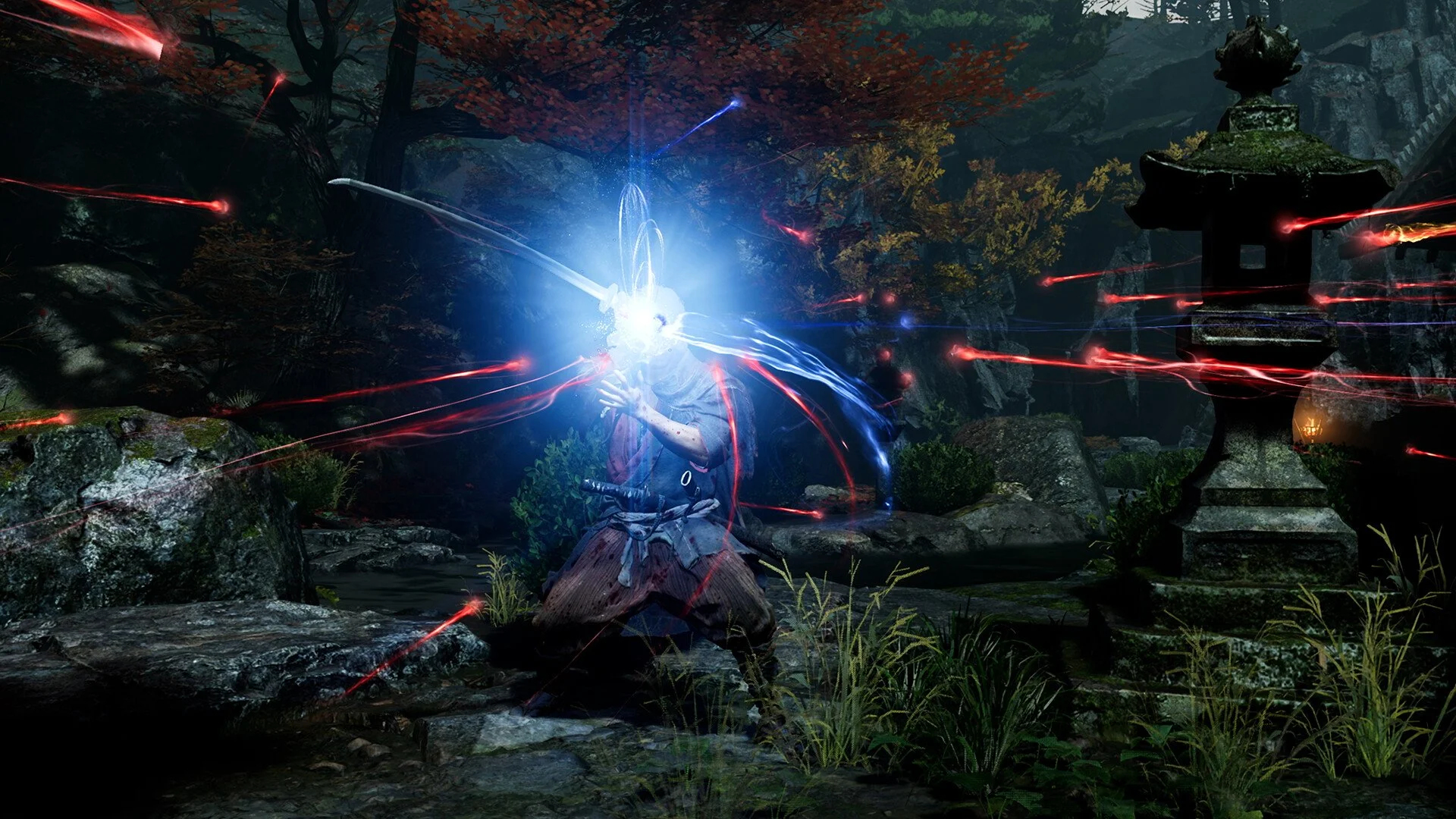
Blade Barrage in Onimusha: Way of the Sword happens when Musashi's sword clashes with an enemy attack at the same time. Once the Barrage begins, the trick is simple: press the opposite attack button from the one that caused the clash. If you entered with a one-handed attack, use a two-handed attack next. If you entered with a two-handed attack, respond with a one-handed attack.
Jump To Section:
How to Do a Blade Barrage
Which Button Should You Press?
How Blade Barrage Starts
Why You Keep Losing Blade Barrages
Best Way to Practice Blade Barrage
Blade Barrage vs Blade Lock
Should You Try to Force Blade Barrage?
How to Do a Blade Barrage in Onimusha: Way of the Sword
A Blade Barrage can begin when your sword and an enemy's weapon meet at the same time. Instead of one attack cleanly winning the exchange, the two weapons collide and Musashi enters a brief duel-like sequence.
Once that happens, you need to remember which type of attack you used immediately before the Barrage started and then press the other one.
If you used a one-handed attack to enter the Blade Barrage, follow it with a two-handed attack. If you entered with a two-handed attack, switch to a one-handed attack.
That's really the mechanic. The difficulty comes from recognizing that a Barrage has started quickly enough while also remembering which attack you just used.
Which Button Should You Press During Blade Barrage?
The easiest rule to remember is simply: use the attack you didn't just use.
If your one-handed attack clashes with the enemy and starts the Blade Barrage, press your two-handed attack button. If your two-handed attack caused the clash, respond with your one-handed attack.
I think this is easier to learn if you stop thinking of Blade Barrage as a separate combo. The game isn't asking you to memorize a new sequence. It's asking you to identify the attack that created the clash and then immediately alternate to the other attack type.
So mentally, the interaction looks like this:
One-handed attack → Blade Barrage → Two-handed attack.
Or:
Two-handed attack → Blade Barrage → One-handed attack.
That distinction sounds obvious once you know it, but it explains why Blade Barrage can feel strangely inconsistent when you're first learning the combat.
How Does Blade Barrage Start?
You don't activate Blade Barrage from a menu or press a dedicated Blade Barrage button. It comes out of the normal swordfight when Musashi and an enemy attack into each other at the right moment.
That makes it different from something like Issen, where you're deliberately trying to attack in the tiny window before an enemy strike lands. If you want to understand that mechanic separately, my Onimusha Way of the Sword Issen guide covers the timing in detail.
Blade Barrage is more reactive. You swing, the enemy also commits to an attack, and the weapons clash instead of either side immediately landing cleanly.
This is why deliberate attacks matter so much in Onimusha. Every time you swing, you should still be paying attention to what the enemy does next rather than assuming you're safely inside a long combo.
Why Do I Keep Losing Blade Barrages?
The biggest reason is button mashing.
If you're rapidly pressing attacks before the Barrage even starts, you can easily queue the wrong attack or completely lose track of which button caused the initial clash. At that point, you're basically guessing which input the game wants.
Blade Barrage rewards a much more deliberate rhythm. Attack once, watch what happens, and then react.
This doesn't mean you need to fight slowly. Musashi's attacks have generous cancel windows, so you can still play aggressively while being prepared to switch immediately into defense or another response when the enemy reacts.
The important difference is between aggression and mashing. Aggression means you're intentionally pressuring the enemy while reading what happens. Mashing means you're committing several inputs before you even know what situation the first attack created.
Blade Barrage punishes the second approach because the game suddenly asks you a very specific question: what attack did you just use?
Best Way to Practice Blade Barrage
If Blade Barrage keeps catching you off guard, I would simplify your offense for a while and deliberately alternate between single attacks rather than long strings.
Throw one one-handed attack and wait to see the result. If nothing unusual happens, continue normally. If a Blade Barrage starts, you already know your answer is the two-handed attack because you only pressed one button beforehand.
Then practice the reverse with two-handed attacks.
This removes the hardest part of learning the mechanic: trying to remember what you pressed several inputs ago while the screen suddenly transitions into a weapon clash.
Once the response becomes automatic, you can go back to mixing attacks more freely. At that point, you aren't memorizing a button anymore. You're developing the habit of always knowing which attack type Musashi just used.
That habit helps elsewhere too. Onimusha's combat constantly asks you to react to the result of your previous action rather than blindly continue whatever combo you planned beforehand.
Blade Barrage vs Blade Lock
Blade Barrage and Blade Lock look similar because both involve Musashi physically clashing weapons with an opponent, but they're different interactions.
A Blade Barrage begins when your attack meets an enemy's attack. Your response is based on which attack type you used to enter the Barrage: switch from one-handed to two-handed, or from two-handed to one-handed.
Blade Lock can instead begin from defensive interactions such as a parry or Deflect. Musashi and the opponent lock weapons together, and you need to repeatedly press your attack buttons to overpower them and win the struggle.
So if you're confused about what the game wants, look at how the clash started. Attack meeting attack points toward Blade Barrage. A defensive interaction turning into a prolonged sword lock is a different mechanic.
Should You Try to Force Blade Barrage?
I wouldn't build your entire fighting style around intentionally creating Blade Barrages. The mechanic is better treated as something you're always prepared to capitalize on when normal offense turns into a clash.
You have too many other useful answers to incoming attacks to force one interaction constantly. Parries can create openings and help build Blaze, Deflect attacks enemy stamina aggressively, dodges answer attacks that aren't appropriate to parry, and Issen gives you an extremely damaging counter when you know the timing.
Your build also changes which of those openings you value most. My Onimusha Way of the Sword best build guide covers how I prioritize weapon upgrades, charms, and the Oni Awakening loop rather than trying to make every encounter revolve around one combat mechanic.
Blade Barrage fits into that same philosophy. Don't enter every fight trying to manufacture one. Attack deliberately enough that, when a Barrage naturally happens, you immediately recognize what the game is asking and win it.
Does Difficulty Change Blade Barrage?
The basic Blade Barrage rule doesn't suddenly become a different mechanic because you change difficulty. What does change is how costly sloppy combat becomes, particularly once you're dealing with the game's more punishing settings.
That's another reason learning Blade Barrage properly is useful instead of just guessing through it. On a forgiving encounter, losing one clash may not matter much. When mistakes become more expensive, knowing the correct response immediately becomes much more valuable.
If you're deciding how difficult you want that learning process to be, my Onimusha Way of the Sword difficulty settings guide explains Story, Action, Carnage, and when you can switch between them.
Blade Barrage in Simple Terms
When Musashi's attack clashes with an enemy attack and starts a Blade Barrage, press the opposite attack type from the one you just used. Enter with a one-handed attack and answer with two-handed. Enter with two-handed and answer with one-handed.
The biggest thing that helped me make sense of the mechanic is treating Blade Barrage as a memory check as much as a reaction check. You don't only need to notice that the clash happened. You need to know which attack created it.
Once you stop mashing and start treating each sword swing as its own decision, Blade Barrage becomes much easier to read. Attack, watch the enemy's response, and if the weapons clash, immediately switch to the other attack.