Onimusha Way of the Sword Carnage Mode Guide
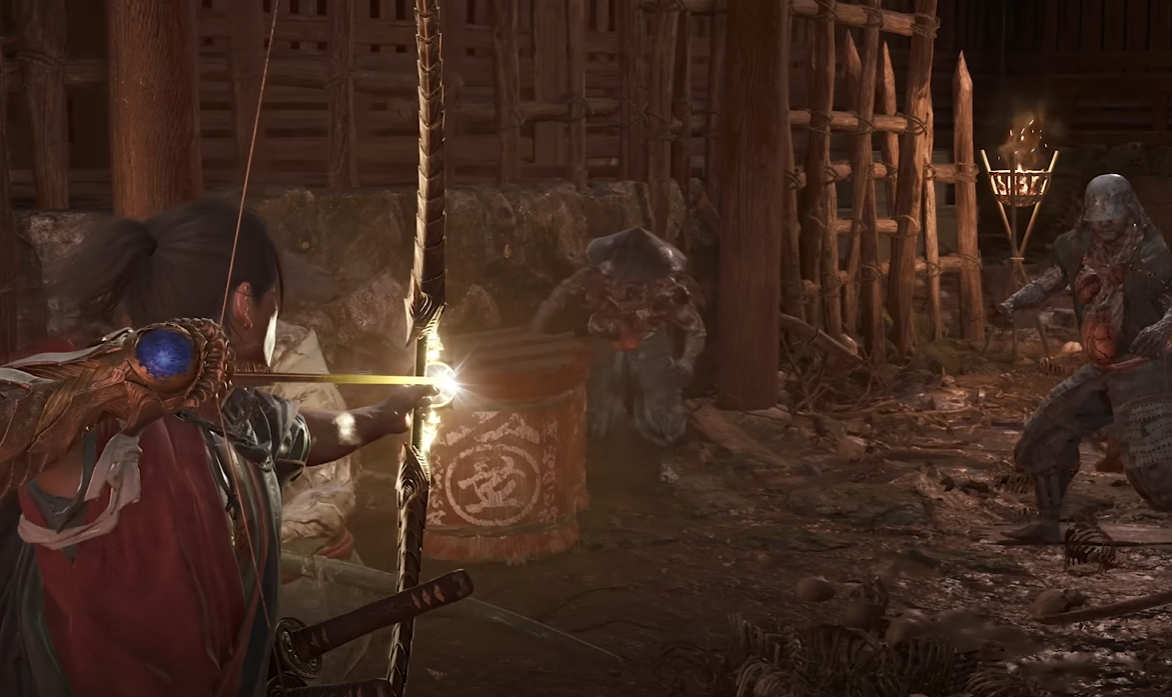
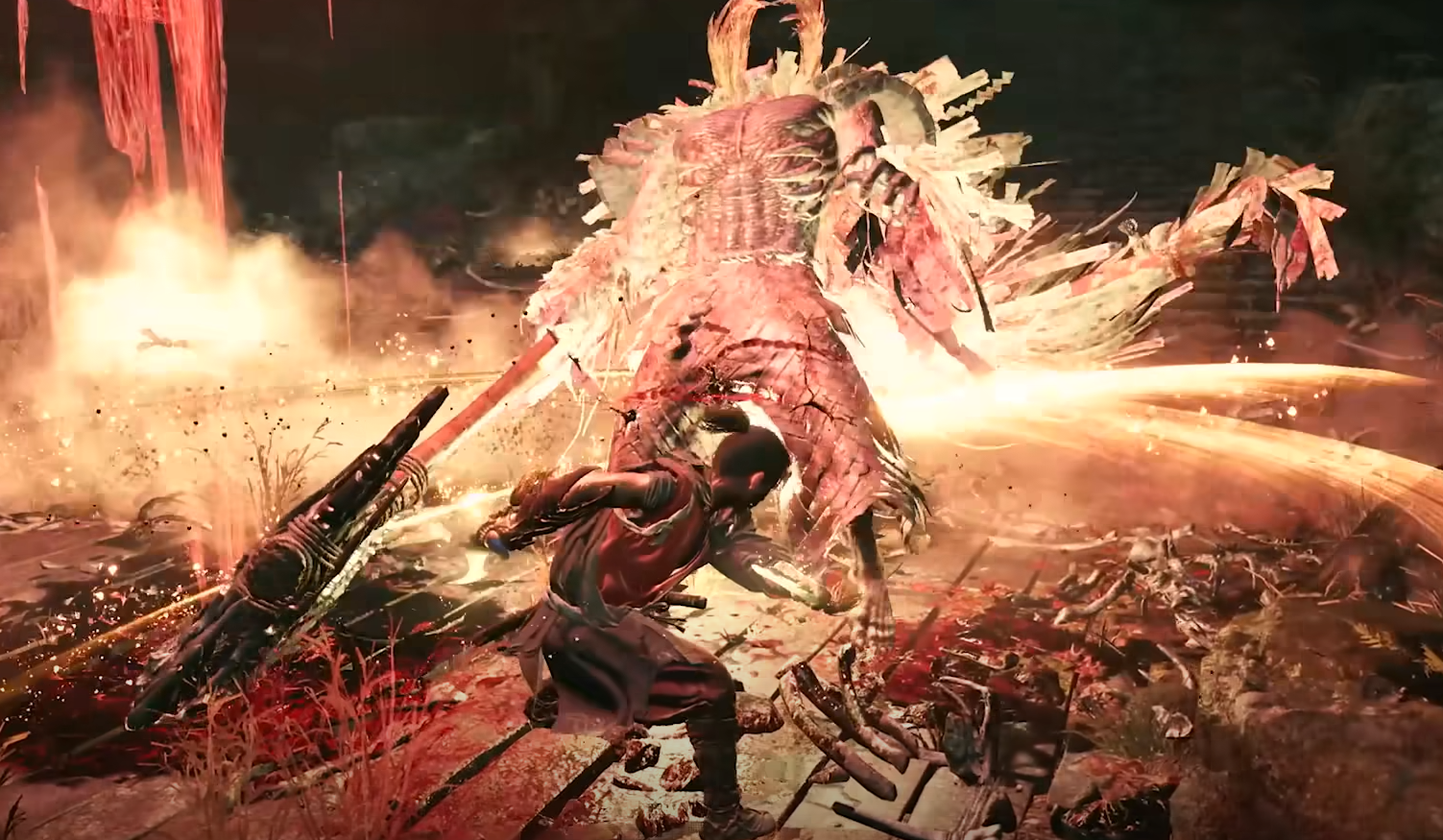
Carnage is the hardest difficulty in Onimusha: Way of the Sword, and you can't select it when starting the game for the first time. It unlocks after completing the story once, then lets you begin a much less forgiving playthrough where some attacks can kill Musashi outright and you cannot lower the difficulty once the run has started.
Jump To Section:
How to Unlock Carnage Mode
What Changes on Carnage?
What Carries Into Carnage NG+?
How to Prepare for Carnage
Best Carnage Build
Best Carnage Combat Strategy
Use Oni Awakening Properly
Which Souls Should You Choose?
Best Carnage Consumables
Is Carnage Mode Worth Playing?
How to Unlock Carnage Mode in Onimusha: Way of the Sword
You unlock Carnage by completing Onimusha: Way of the Sword once. There isn't another requirement or a way to select it immediately on a fresh save.
That makes your first playthrough part of your Carnage preparation whether you realize it or not. I would personally play that first run on Action rather than Story if Carnage is eventually your goal, because it forces you to learn the timing behind parries, Deflects, dodges, and Issen before the game starts punishing mistakes much more severely.
Carnage also isn't just another difficulty setting you can casually test and then turn off. Once you commit to a Carnage playthrough, you cannot switch back to Story or Action during that run.
If you're still deciding which first-playthrough setting makes the most sense, my Onimusha Way of the Sword difficulty settings guide goes through Story, Action, Carnage, and how changing difficulty normally works.
What Changes on Carnage Difficulty?
The biggest change is how little room you have for bad defensive decisions. Carnage is described as a mode where a single hit can potentially mean death, and several later boss attacks genuinely can kill you outright.
Even attacks that aren't technically one-shots can erase enough health that getting hit twice in quick succession effectively ends the attempt. That changes how I would approach combat more than simply saying enemies have bigger numbers.
On Action, you can sometimes make the wrong read, survive it, heal, and continue learning the fight. Carnage makes recognizing the correct defensive response far more important because there may not be a second chance to recover.
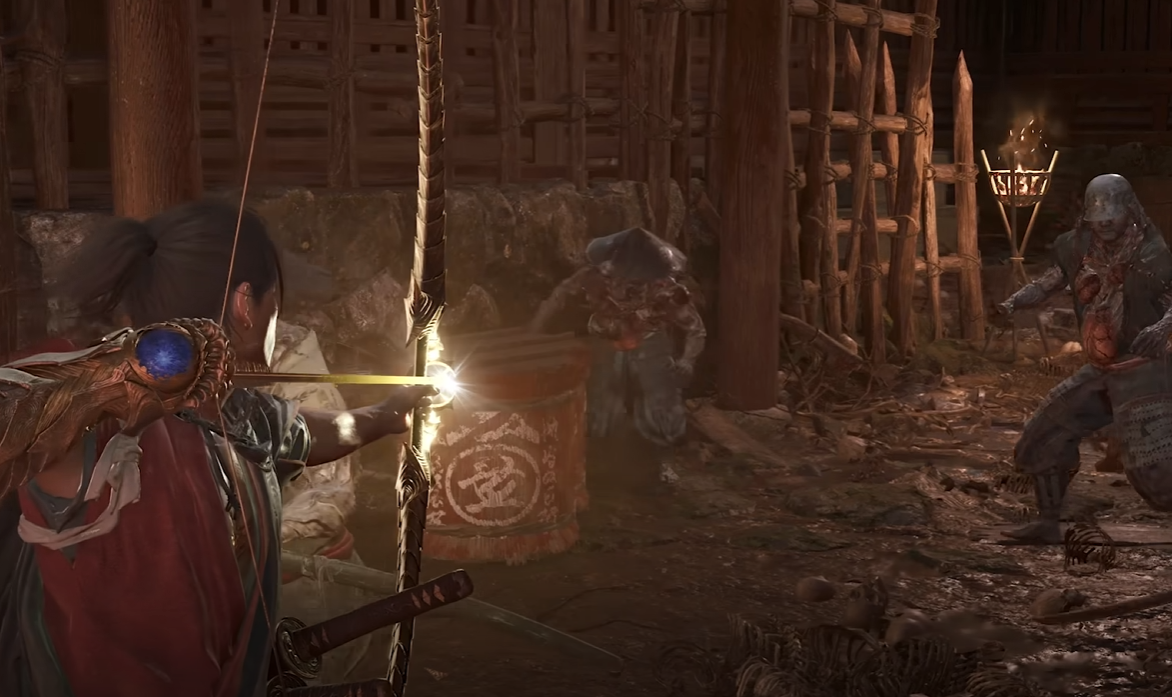
Action Prompts are also automatically disabled on Carnage. You won't have the game showing you which defensive input an incoming attack wants, so you need to recognize enemy animations yourself.
That's why I don't think Carnage is primarily a test of raw damage. It's a test of whether you actually learned Onimusha's combat language during the first playthrough.
What Carries Over Into Carnage New Game+?
Carnage can be played through New Game+, and quite a bit of progression carries over from your completed save.
You retain awakened Oni abilities, enhanced basic and special abilities, acquired Hozuki Pouches and their upgrades, charms and charm upgrades, unlocked outfits, some items and materials, training and boss-rematch progression, Genma Notes, and rescued Lion Dogs.
However, Carnage NG+ doesn't simply hand you your fully upgraded endgame Musashi and let you steamroll the beginning.
Your story and sidequest progress resets, as do clothing, sword, and gauntlet upgrades. Materials used for those equipment upgrades don't carry over either. Your Oni Bow, Spirit Mirror progression, and red-soul progression tied to upgrades and purchases also reset.
I actually like that balance because it means your first run still matters without making Carnage a victory lap. You carry over enough tools to build around advanced mechanics immediately, but you still need to explore and rebuild Musashi's equipment strength.
How to Prepare Before Starting Carnage
If you know you're going to play Carnage, I would start preparing before the credits roll on your first playthrough.
First, learn the game without relying too heavily on Action Prompts. Since they're disabled automatically on Carnage, spending your entire Action run waiting for an icon to tell you which defensive button to press doesn't prepare you particularly well for what comes next.
Second, complete side content. Optional exploration gives you enhancement materials and charms that can significantly improve the progression you carry forward.
Third, don't burn every powerful consumable just because you have one available. Amulets of Introspection, Stimulants, and Sun-Dried Hozukis become considerably more valuable when you're dealing with late-game Carnage bosses.
I'd also make sure you're comfortable with both Deflect and Issen before starting. You don't need to become an Issen machine, but going into Carnage with holding block as your primary defensive strategy is going to make life much harder than it needs to be.
Best Build for Carnage Mode
My preferred Carnage setup is a maxed Charm of Awakening, Charm of Oni Power, Fencer's Strength Charm, and the default Hozuki Pouch.
The reason I prefer this over the more defensive first-playthrough setup is that Carnage rewards controlling the fight rather than trying to survive repeated mistakes. Faster Oni Power and Awakening generation gives you access to Musashi's strongest combat states more frequently, while Fencer's Strength keeps your regular offense relevant.
This also creates a build where the individual systems feed into each other rather than functioning as three unrelated charm bonuses.
If you want the full progression order, including what I prioritize before reaching Carnage, my Onimusha Way of the Sword best build guide covers the charm setups, weapon upgrades, Oni Stones, and Awakening loop in more detail.
Best Combat Strategy for Carnage
One of the first things you'll notice against Carnage bosses is that simply hacking away at their health isn't particularly efficient. The better approach is usually attacking stamina first.
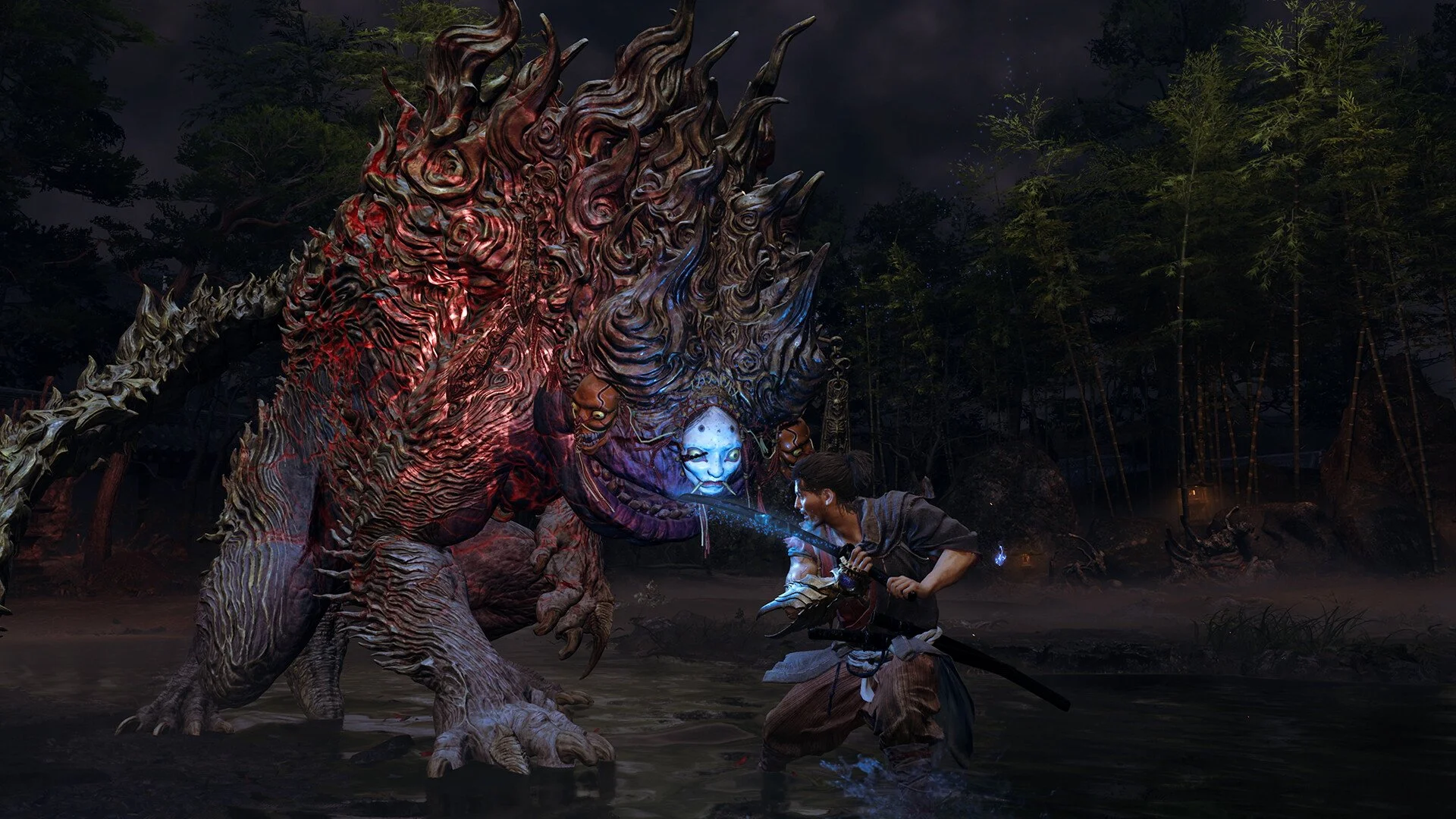
For me, that makes Deflect the safest foundation for a Carnage run. Successful Deflects deal heavy stamina damage, and completely draining that stamina creates the opening where you can extract souls or punish the boss properly.
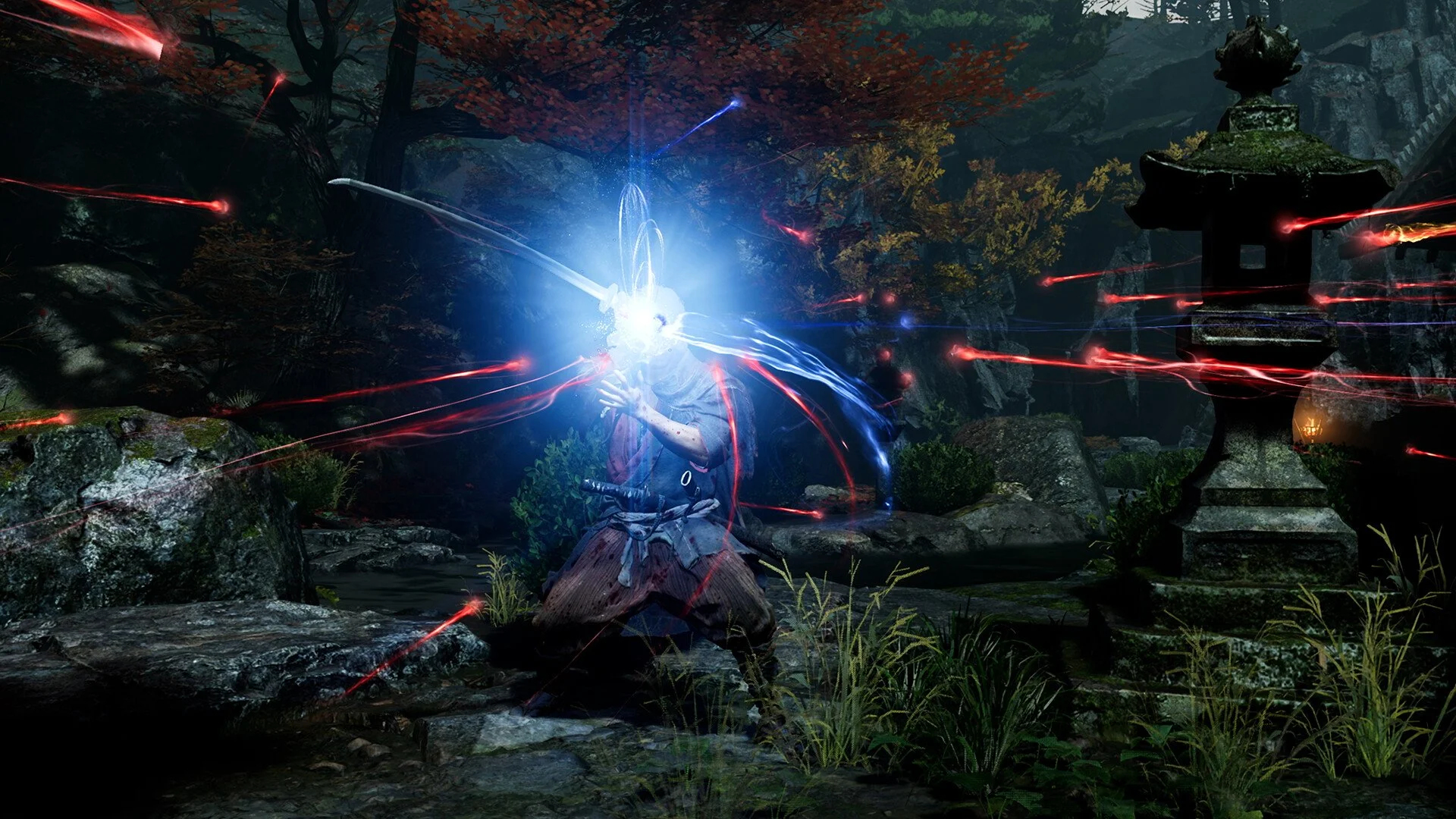
Issen is the higher-risk alternative. It can tear through encounters much faster if you're comfortable with the timing, but the window is considerably tighter and Carnage gives you very little room to miss.
If you're still inconsistent with it, my Onimusha Way of the Sword Issen guide explains exactly when to attack and how its timing differs from a parry.
I wouldn't turn this into an either-or choice, though. Deflect the attacks you're comfortable breaking stamina with, use Issen on animations you know extremely well, and dodge when the attack calls for it.
Some attacks simply demand a particular response. White-glowing attacks need to be parried or Deflected, while other attacks are better handled with a dodge. Trying to Issen literally everything just because it can work against most attacks is an unnecessary way to throw away a good attempt.
Use Oni Awakening as a Combat Phase, Not Just a Finisher
Oni Awakening is one of the biggest reasons the Carnage build works, but I wouldn't activate it and immediately burn the transformation on the finisher.
Regular parries help fill the Blazing Gauge. Once Blazing State activates, Musashi deals more health and stamina damage and has a better chance of producing blue souls.
Those blue souls fuel Oni Armaments. Using an Oni Armament then generates purple souls, which build your Oni Awakening gauge.
Once Awakening is full, transform and actually use the state. Issen becomes substantially easier while transformed, so I would land as many useful counters as possible while the gauge is active.
Only when the Awakening meter is close to running out would I cash it in with the finisher.
That gives you two layers of value instead of one: damage and easier Issen opportunities throughout the transformation, followed by the finisher at the end.
Red or Purple Souls After a Stamina Break?
After draining a boss's stamina, you can sometimes choose between different soul rewards rather than simply taking one automatic punishment.
Red soul opportunities generally push immediate direct damage, while purple options can release yellow souls for health, blue souls for Oni Power, and purple souls for Awakening.
Neither is always correct, but I lean toward purple much more often on Carnage.
The reason is sustainability. Immediate damage looks better in the moment, but a purple choice can heal you while simultaneously feeding your Armament and Awakening resources. In a long boss fight, that can create another complete offensive cycle.
If the boss is nearly dead, take the damage and finish the job. If you're still early in a multi-phase fight and your gauges are empty, I think keeping the engine running is usually worth more.
Don't Throw Away Free Combat Opportunities
Carnage also makes the smaller combat mechanics more valuable because every clean interaction is one less chance for the enemy to hit you.
Blade Barrage is a good example. If your attack collides with an enemy attack and starts the clash, you need to respond with the opposite attack type from the one that initiated it.
That's easy to miss if you're mashing through combinations, which is exactly the kind of habit Carnage punishes. My Onimusha Way of the Sword Blade Barrage guide explains the input rule and the easiest way to stop losing those exchanges.
The same broader lesson applies across Carnage: each swing should be deliberate enough that you're still prepared for whatever interaction the enemy creates next.
Best Consumables for Carnage
I would save your strongest items for the encounters where they actually change your chances of winning rather than using them to clean up every rough fight.
Several consumables become especially useful toward the end of Carnage. Amulet of Introspection temporarily makes timing-based actions such as parries and Issen more forgiving, which is extremely valuable when a late boss can punish one missed counter with most or all of your health.
Stimulants gradually restore the Awakening Gauge, while Sun-Dried Hozuki restores the Hozuki Pouch to three healing charges. Greater Defense and Greater Might Talismans temporarily improve survivability and damage respectively, while Heavy Restoratives give you another healing option once your normal resources are exhausted.
For the final encounter especially, I would bring Heavy Restorative, Amulet of Introspection, Stimulants, Sun-Dried Hozuki, Greater Defense Talisman, and Greater Might Talisman alongside the Carnage charm setup.
I also wouldn't blow everything during the opening phase just because the items are equipped. The later portions of the hardest encounters are where these resources can turn an otherwise dead attempt into a clear.
Carnage Bosses Reward Learning, Not Rushing
Something I would keep in mind before assuming every Carnage boss is just a damage race is that the fights can behave dynamically. Taking too much damage can push bosses toward enhanced states earlier, making the remainder of the encounter harder.
That creates an extra reason to play cleanly rather than trading hits.
It also explains why some bosses that felt straightforward on Action can become much more dangerous on Carnage. You're dealing with greater punishment for mistakes while potentially accelerating the part of the encounter where the boss is already at its strongest.
The best first attempts aren't necessarily the ones where you deal the most damage. They're the ones where you learn which attacks are safe to Deflect, which ones you can reliably Issen, what needs to be dodged, and where the boss gives you enough time to absorb souls or use an Armament.
Once those reads become consistent, Carnage starts feeling far less random.
Is Carnage Mode Worth Playing?
If the combat was your favorite part of Onimusha, I think Carnage is absolutely worth trying. It forces you to interact with systems that you can occasionally brute-force your way around on lower difficulties.
You have to care about enemy stamina, recognize defensive cues, manage souls intelligently, use Armaments and Awakening rather than hoarding them, and actually know what the boss is doing before committing to an attack.
If you mainly played for the story and found Action stressful already, there's nothing wrong with stopping after the first clear. Carnage is deliberately designed around much harsher consequences and isn't simply required to see how the story ends.
For players who do want the challenge, completing the game on Carnage also unlocks the True Onimusha trophy or achievement.
Carnage Mode in Simple Terms
Beat Onimusha: Way of the Sword once to unlock Carnage, then start a new run using the unlocked difficulty. Carnage carries over selected New Game+ progression such as abilities, charms, and Hozuki Pouch upgrades, but resets major equipment upgrades and story progression.
Once you start Carnage, you cannot lower the difficulty. Action Prompts are disabled, bosses can deal enormous or outright lethal damage, and the safest general strategy is to learn Deflect timing, use Issen selectively, attack stamina rather than only health, and build toward Oni Power and Awakening whenever possible.
The biggest adjustment I would make is stopping yourself from treating Carnage like Action with bigger damage numbers. It's much closer to a knowledge check on everything the first playthrough was teaching you. Once you start recognizing every attack by what response it demands, the mode becomes dramatically more manageable.