CONTROL Resonant Best Weapons Tier List
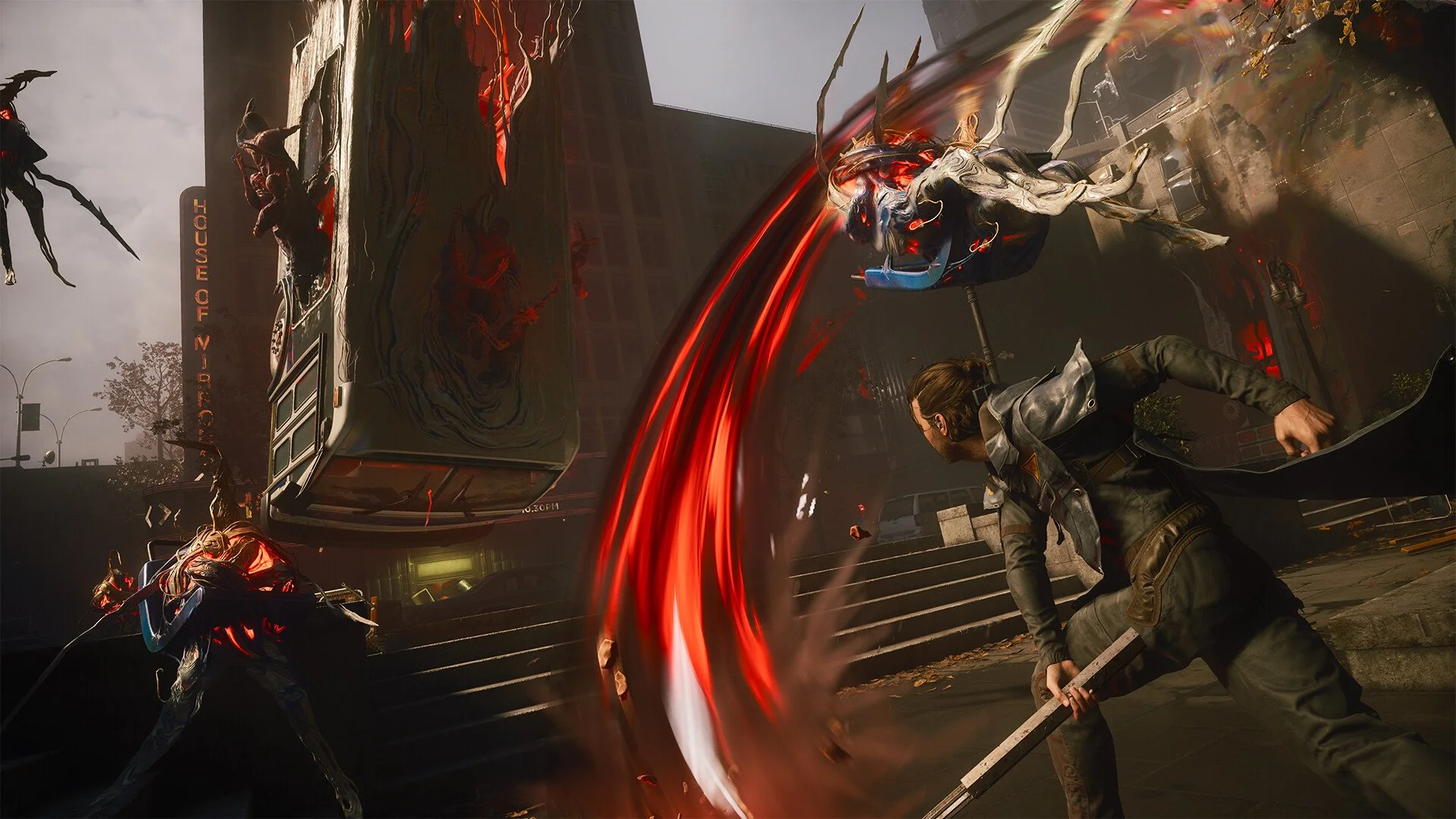
CONTROL Resonant only gives you six Aberrant weapon forms, but they don't compete on equal terms. Primaries drive your normal combos, while secondaries are better judged by what they add to a build: Falter, armor breaking, crowd control, or setup for abilities. That makes raw damage a bad way to rank them by itself, and a couple of forms become much stronger once you account for everything they solve beyond hitting harder.
Jump To Section:
Weapon Tier List
S Tier
A Tier
B Tier
Best Primary for Your Build
Best Secondary for Your Build
How to Change Weapon Forms
Crush and Cleave Give the Most Complete Packages
My overall CONTROL Resonant weapon ranking puts Crush and Cleave in S Tier. Crush gives you huge Falter pressure, strong damage, armor breaking, and even exploration utility, while Cleave is the most balanced primary when you want one weapon that stays useful across different types of fights.
Strike and Glaive land in A Tier for very different reasons. Strike is excellent for fast critical-hit builds and combo finishers, while Glaive trades speed for wide attacks, high base damage, and excellent Power generation. Drill also makes A Tier because Weaken gives it a meaningful boss and ability-focused niche even if it isn't as universally comfortable as Crush.
Extend is the only B Tier weapon here. It isn't useless, but its lower damage and more awkward charged attack leave it competing with other forms that provide stronger utility with fewer compromises.
S Tier
Crush — Best overall secondary
Cleave — Best all-around primary
A Tier
Strike — Best fast/critical primary
Glaive — Best crowd and Power primary
Drill — Best secondary for Weaken and boss setup
B Tier
Extend — Useful crowd-control secondary, but less efficient overall
This ranking isn't based on copying one source's order. The launch-day recommendations actually disagree quite a bit: one source favors Strike as the most useful primary, another builds around Glaive, and another ranks Cleave first. That disagreement makes sense because all three primaries specialize in something different. I'm ranking them here by overall consistency, how much utility they provide without requiring a specific build, and how well their weaknesses can be covered by your other weapon slot.
S Tier: Crush and Cleave
Crush
Type: Secondary
Best for: Falter, armor breaking, tough enemies
Main drawback: Less focused on speed or ranged crowd control
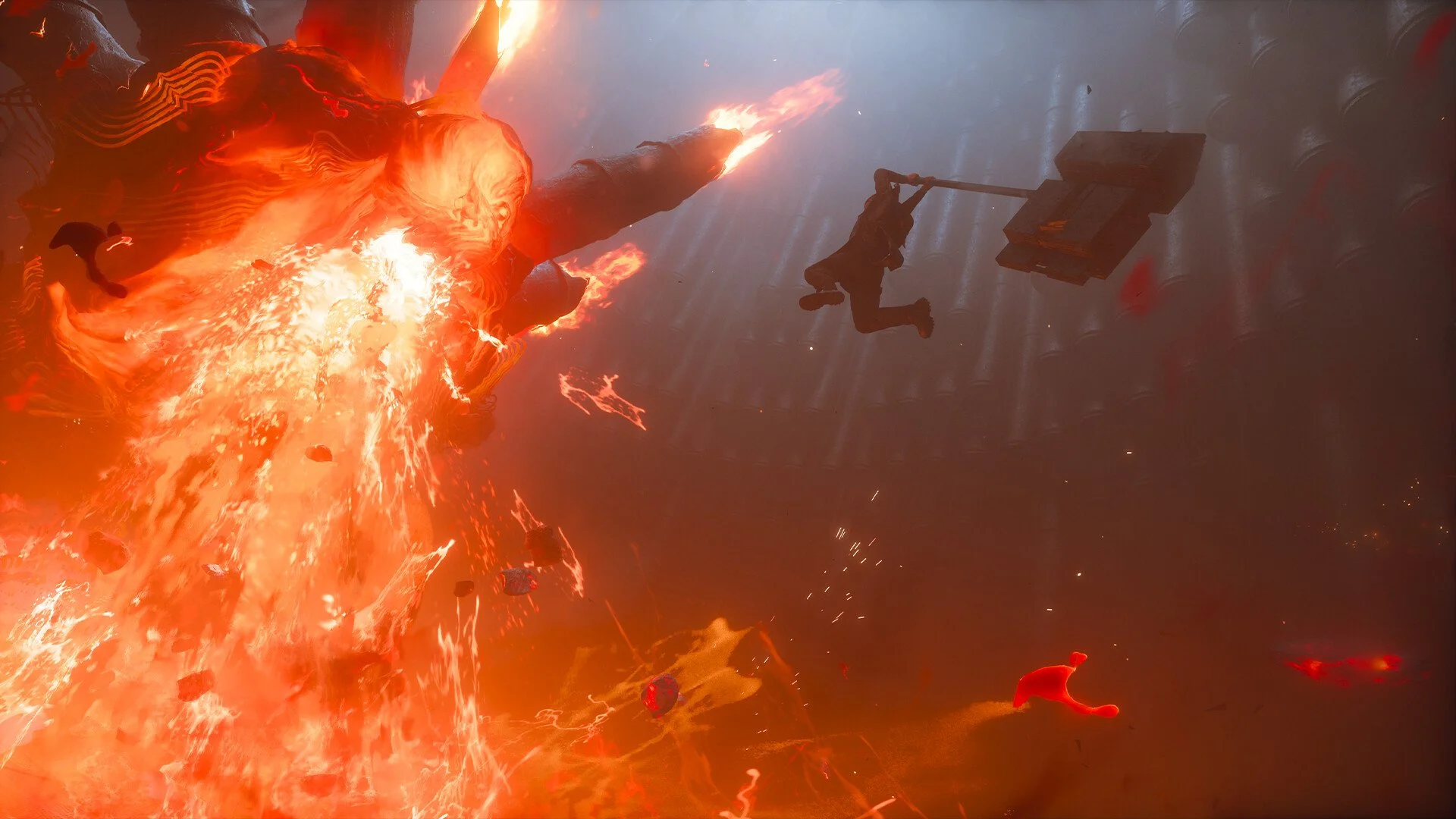
Crush is the easiest weapon to put at the top because its value doesn't depend on one narrow build. The hammer deals strong damage, builds a large amount of Falter, can break armor, and can repeatedly disrupt enemies long enough to create safe follow-up attacks.
That Falter pressure is especially valuable because it can push enemies toward executions rather than merely shaving away health. A fully charged Crush attack is also reported to knock flying enemies down, giving it another answer that isn't immediately obvious from the weapon's basic role.
Crush even has non-combat value: it can break certain metal doors while exploring. That's not enough to make a weak weapon good, but on top of everything else Crush already does, it makes the form unusually difficult to replace.
Cleave
Type: Primary
Best for: Balanced damage, Lift, Falter, back attacks
Main drawback: Doesn't dominate one category as heavily as Strike or Glaive
Cleave earns S Tier for almost the opposite reason: it doesn't force you into one particular combat rhythm.
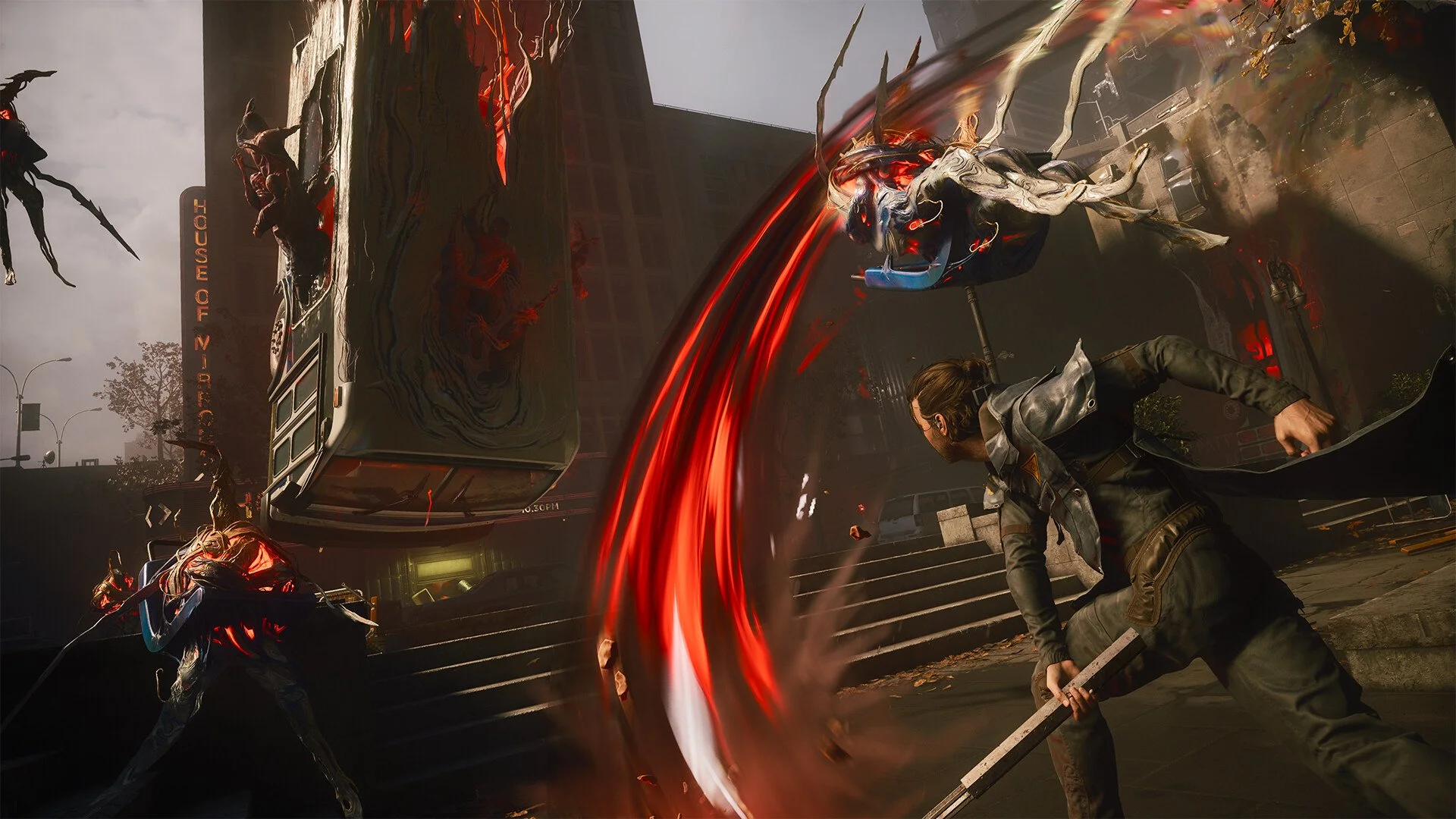
Its axe form gets bonus damage from attacking enemies from behind, can Lift enemies into the air, and develops additional synergy with airborne targets and Falter as you improve it. Lifting an enemy is valuable by itself because an airborne target temporarily isn't attacking you.
Cleave also sits comfortably between Strike's speed and Glaive's slower, heavier swings. You aren't getting the fastest combo generation or the largest crowd-clearing arcs, but you're also giving up less when the encounter changes from one enemy type to another.
For a first playthrough where you don't yet know what your eventual build will look like, that's a major advantage.
A Tier: Three Weapons That Become Excellent in the Right Build
Strike
Type: Primary
Best for: Critical hits, speed, finishers, aggressive play
Main drawback: Short range and weaker crowd coverage
Strike can absolutely feel like the best primary if you build around what it does well. The dual blades have the lowest base damage of the three primaries, but they attack the fastest and lean heavily into critical hits.
That speed matters because primary attacks are what advance you toward Combo Finishers. Strike gets there quickly, and its progression also supports stronger finishers and combat abilities.
The tradeoff is positioning. You're operating at close range, and Strike doesn't naturally solve groups the way Glaive does. When enemies start surrounding you, the weapon needs more help from your secondary or combat abilities.
I wouldn't call that enough to push Strike below A Tier. It simply means Strike is strongest when the rest of the build covers its lack of reach.
Glaive
Type: Primary
Best for: Groups, base damage, Power generation
Main drawback: Slower moment-to-moment combat
Glaive has probably the clearest argument for being moved into S Tier depending on where you are in the game.
It has the highest base damage among the three starting primaries, swings through groups, and is especially good at generating Power. More Power means more frequent combat abilities, so Glaive isn't just a crowd weapon — it can become the engine that feeds the rest of an ability-heavy build.
That's also why one early-game source recommends building around Glaive outright. Early encounters often mix weaker groups with tougher targets, and wide attacks solve those crowds before your ability collection is fully developed.
I keep it in A Tier overall because that advantage shrinks somewhat as Dylan gains more ways to handle groups, while Glaive's slower attack cadence remains. Early game, though, Glaive can easily be the most immediately powerful primary of the three.
Drill
Type: Secondary
Best for: Weaken, bosses, ability-focused builds
Main drawback: More specialized and less comfortable than Crush
Drill is the secondary I would rank higher than its first impression suggests.
Its defining mechanic is Weaken. A weakened enemy takes increased damage and Falter from combat abilities, giving Drill a clear purpose against tougher enemies that survive long enough for setup to matter.
That makes it particularly attractive in boss fights or builds where your combat abilities are doing a large share of the work. Drill doesn't need to beat Crush at Falter by itself if its job is to make everything you cast afterward more effective.
Its downside is that you need to actually exploit that setup. Crush provides immediate value the second you swing it, while Drill gets more rewarding as your ability loadout becomes deeper. Later builds can get significantly more from it than a brand-new character can.
B Tier: Extend Has a Job, but the Competition Is Better
Extend
Type: Secondary
Best for: Range, cones, hitting several enemies
Main drawback: Lower damage and awkward charged attacks
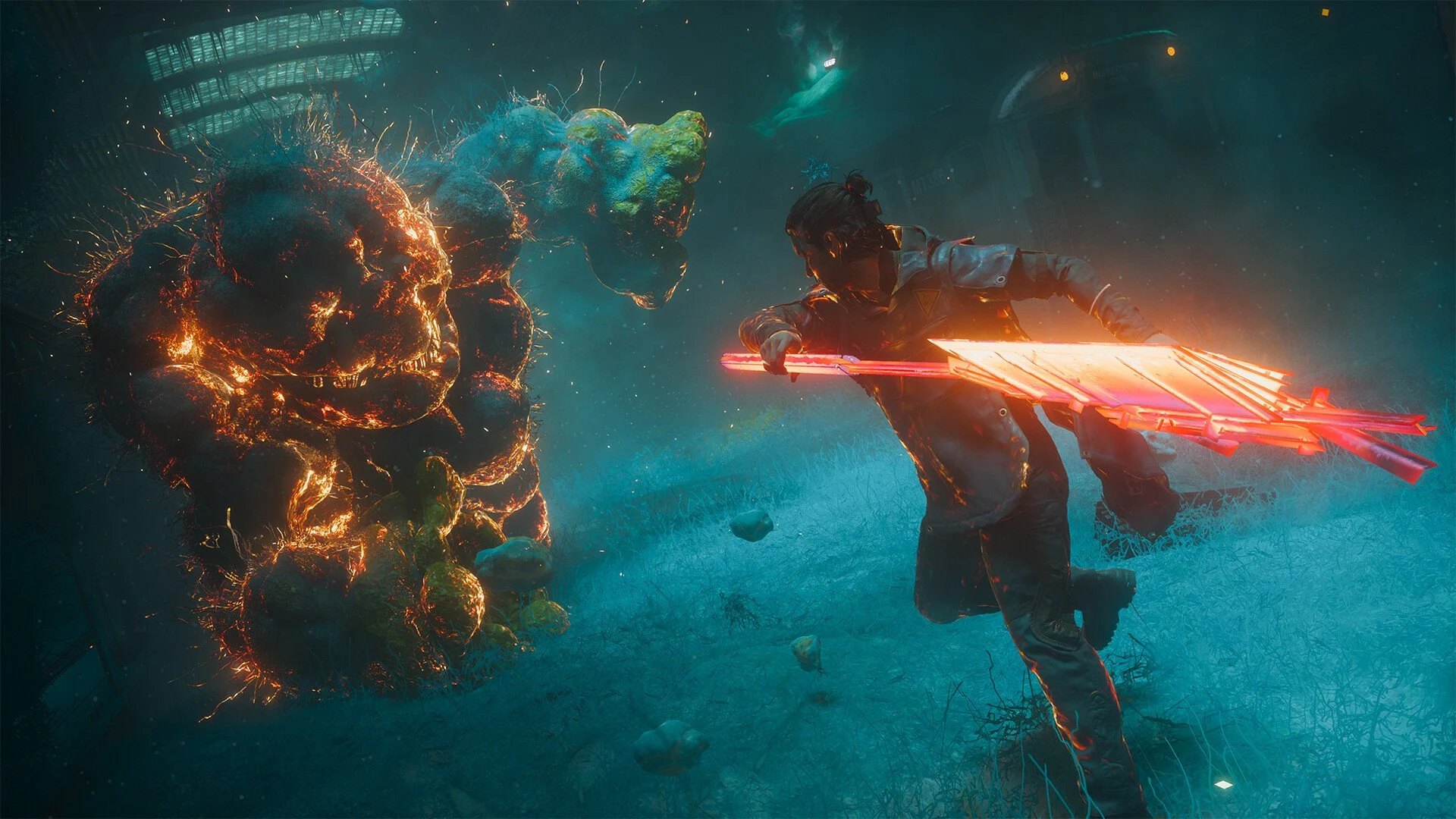
Extend is a long-range whip that can sweep through multiple enemies in front of you, which sounds ideal if your primary is highly single-target focused.
Its charged attacks can add more damage and Falter, with additional reward for timing the charge correctly. The problem is that other secondaries provide more decisive utility. Crush can smash armor and build huge Falter, while Drill can apply Weaken and amplify your ability damage.
Extend also asks you to commit to its charged attack, and one source notes that the charge can lock you in place. That's a meaningful drawback in a game where movement and dodging are such a large part of staying alive.
I wouldn't avoid Extend if you like the feel of it. It simply has fewer situations where I'd choose it over both alternatives.
Your Best Primary Depends on What You Want the Rest of the Build to Do
The primary rankings are much closer than the tier list alone makes them look.
If you want the safest general-purpose pick, take Cleave. If you're building around critical hits, Combo Finishers, and staying aggressive at close range, Strike makes more sense. If you want your weapon to handle crowds while constantly refilling Power for abilities, Glaive has the strongest identity of the three.
Pick Your Primary
Cleave — Balanced build or first playthrough
Strike — Crits, speed, dodging, Combo Finishers
Glaive — Groups, heavy hits, frequent combat abilities
This is also why the launch recommendations are split. Polygon found Strike especially useful because its crits and finisher/ability synergy strengthen an entire build, while another early-game guide favors Glaive's crowd damage and Power generation. GamesRadar instead rates Cleave highest for its blend of damage, speed, and back-attack value.
All three arguments can be true because they're optimizing for different things.
Secondaries Are Better Treated as Tools Than Main Damage Weapons
Your secondary doesn't have to duplicate whatever your primary already does.
A Glaive build already has strong group coverage, so Crush gives it a way to punish armored or high-Falter targets. Strike lacks wide attacks, which makes Extend more defensible there than it would be beside Glaive. An ability-heavy setup can use Drill to Weaken a boss before unloading Power.
That's the better way to choose your pair: cover a weakness or amplify the part of the build you're already leaning into.
If I wanted one combination that works without overthinking any of that, I'd take Cleave + Crush. If I wanted a more ability-heavy early setup, Glaive + Crush is a very strong alternative. And if the build revolves around bursting tougher targets with abilities, Strike or Glaive + Drill gives Weaken a much clearer purpose.
Your Prologue Choice Isn't Permanent
You choose one primary and one secondary during the opening portion of CONTROL Resonant, but you aren't locked into those forms forever.
Unlocked Aberrant Forms can later be changed from your loadout outside combat. The other forms can be purchased through the Gap using Living Shards, while Reset Items provide another route for changing an earlier weapon choice.
That means the tier list matters most for deciding where to invest first. You don't need to restart because you picked Glaive and later decide you prefer Cleave, or because Drill sounded better on paper than it felt in combat.
There's even an achievement tied to purchasing an Aberrant upgrade, along with several other progression and combat milestones. If you're also working toward full completion, the CONTROL Resonant achievements guide covers all 49 launch achievements and the larger goals worth progressing alongside the story.
The bigger takeaway is that CONTROL Resonant doesn't really have six weapons fighting for the same job. Cleave, Strike, and Glaive determine how your basic combat flows, while Crush, Drill, and Extend change what problems the rest of that build can solve. Crush and Cleave sit highest because they ask for the fewest compromises, but the best pairing can change considerably once you build around crits, Power, Falter, or combat abilities.