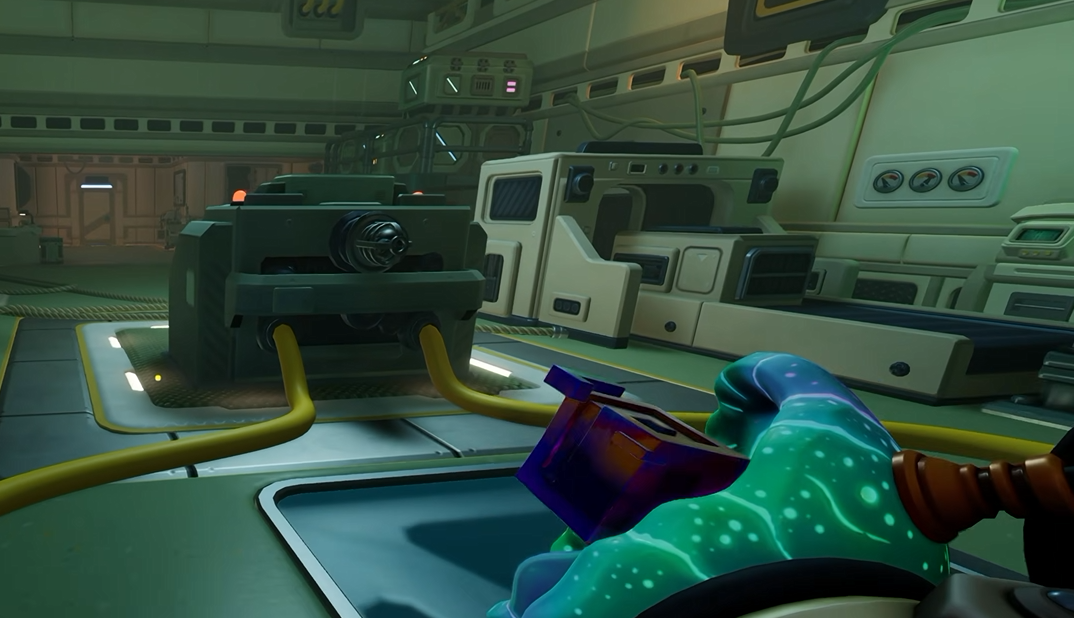
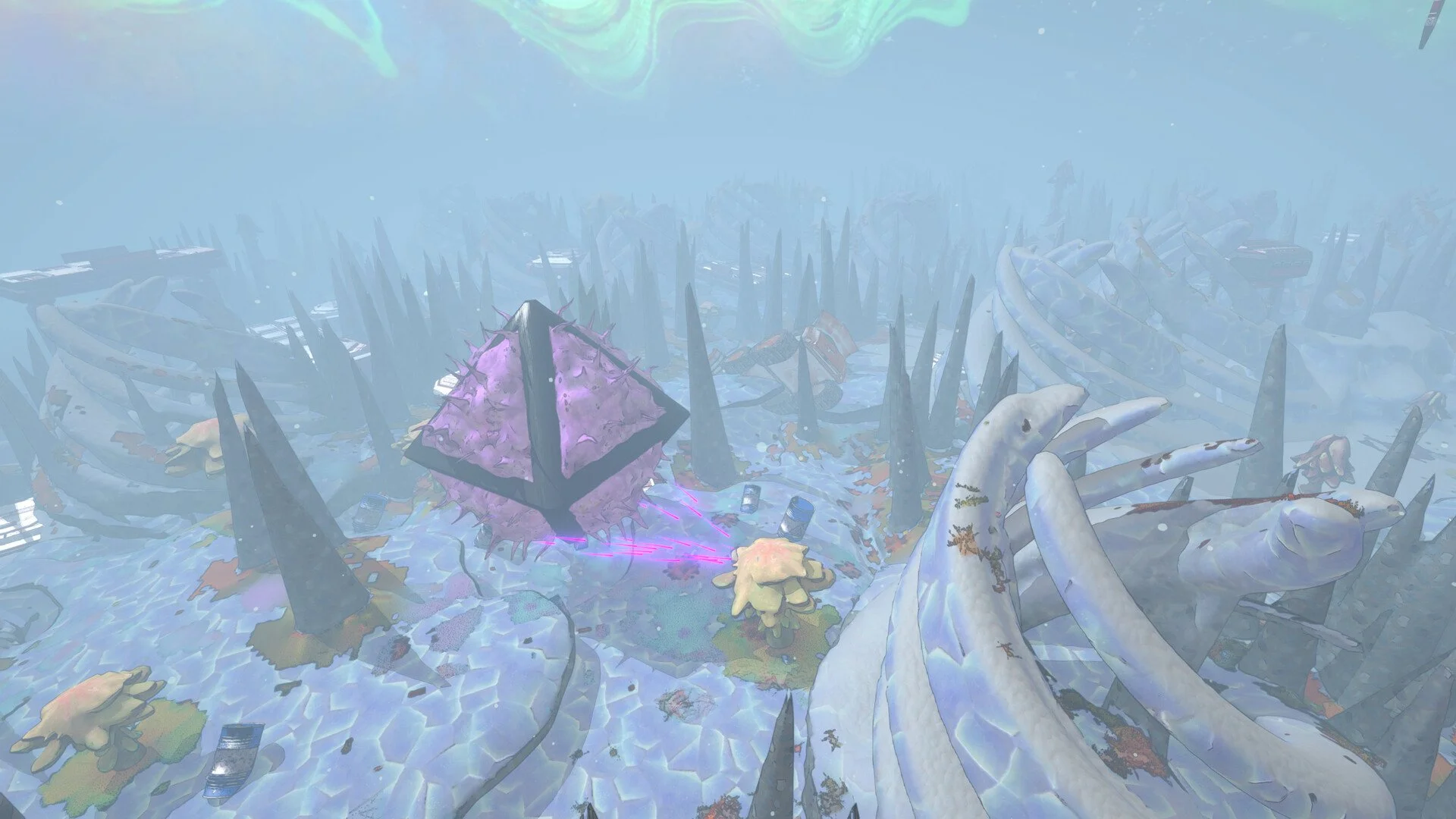
Escape from Playtime Tips and Tricks

Escape from Playtime is built around uncertainty more than memorization. The factory can change between runs, enemies can turn a safe route into a problem, and your team has to balance exploration against getting collected resources back safely. The strongest runs come from treating the factory like a changing survival space rather than following one fixed path every time.
Jump To Section:
Best Escape from Playtime Tips
Learn Landmarks Instead of Routes
Find Escape Routes Before You Need Them
Do Not Carry Resources Forever
Split the Team With a Purpose
Use Proximity Chat Properly
Use Your Small Size to Explore
Use Hiding Spots and Alternate Routes
Use Critter Abilities Around the Team
Change Your Approach When Playing Solo
Best Escape from Playtime Tips
The best Escape from Playtime strategy is to explore in short, controlled pushes. Learn the section around you, note nearby hiding places and alternate paths, collect what you can, then decide whether continuing deeper is worth the risk. Because the factory layout can change between runs, knowing how to read a room and communicate what you find is more useful than memorizing one route.
- Remember landmarks and room types instead of relying on one memorized route.
- Identify hiding spots and alternate exits while an area is still safe.
- Bring collected resources back rather than endlessly extending one search.
- Split up only when the extra coverage is worth having fewer players together.
- Tell teammates what you found, where you found it, and where danger is moving.
- Use crawling, jumping, and climbing to search routes that are easy to overlook.
- Use distractions and alternate paths to avoid forcing your way past enemies.
- Build your group around different Critter abilities once everyone understands their role.
Learn Landmarks Instead of Routes
Escape from Playtime uses changing environments, so one successful route should not become your plan for every future run. A classroom, warehouse, testing laboratory, or connecting corridor may still be recognizable, but the path through the factory can shift.
Instead of remembering a sequence such as left, right, right, stairs, learn what different spaces look like and what they tend to contain. If you can recognize a warehouse, a testing area, a useful hiding spot, or a route back toward familiar territory, you can reorient much faster when the layout changes.
This also makes repeat runs more consistent. You are learning how to navigate the factory rather than learning one version of it.
Find Escape Routes Before You Need Them
Do not wait for an enemy to appear before deciding where you can run. When entering a new area, spend a few seconds checking nearby doors, crawl spaces, climbable routes, hiding places, and connecting corridors.
That preparation matters because the factory gives you several ways to avoid danger besides simply running down the hallway you entered from. Alternate routes and hiding spots are part of the survival loop, and finding them while the area is quiet gives you more options when something starts hunting you.
A room with several exits is also more valuable than it first appears. Remembering which way leads somewhere useful can turn that room into a fallback point later in the run.
Do Not Carry Resources Forever
Your objective is not just to find resources. You have to bring the materials you collect back safely. That changes how you should think about exploration.
Once you have made a productive sweep through part of the factory, consider returning what you have before pushing into another unfamiliar section. Extending every search as far as possible gives you more ground to cover, but it also means spending longer away from the place where those resources need to end up.
A strong rhythm is to search an area, gather what is worth taking, return what you have, then start another push. The changing layout means you may not always have the same return route available, so keeping track of how you reached an area is just as useful as finding the resources inside it.
Split the Team With a Purpose
More players allow a group to cover more of the factory at once, but spreading out also leaves individual players with less immediate help if an enemy appears.
That makes splitting up a tactical choice rather than something everyone should automatically do at the start of a run. Send players in different directions when you have a clear reason to increase search coverage, then communicate what each side is finding.
If the area becomes dangerous or the group stops knowing where everyone is, regrouping can be more useful than continuing to fan out. Escape from Playtime supports up to eight players, so larger groups have plenty of flexibility in how they divide coverage without turning the run into eight completely separate searches.
Use Proximity Chat Properly
Proximity voice chat makes communication part of the run rather than something separate from it. Use it to pass information that another player can act on immediately.
Good callouts are specific. Say what you found, what kind of room you are in, where an enemy was seen, or which direction gives access to another path. “Something is here” does much less for the team than explaining where the threat is and which route you are taking away from it.
When players split up, each person effectively becomes a scout for a different section of the factory. Sharing what those sections contain lets the rest of the group decide where to search next instead of repeating work.
Use Your Small Size to Explore
You play as Mini Smiling Critters, and Escape from Playtime lets you crawl, jump, and climb through the factory from that smaller perspective. Treat those movement options as part of exploration rather than only a way to move between objectives.
Look above, below, and around the obvious hallway route. Smaller openings, elevated sections, and paths that would not make sense for a normal-sized character can still be usable here.
This becomes especially useful when the most visible route is unsafe. If you already know where a crawl path or climbable route leads, it can give you another way through an area without returning to the same corridor.
Use Hiding Spots and Alternate Routes Against Enemies
The rejected Playtime Co. creations roaming the factory are not something you have to approach head-on every time. Escape from Playtime gives you hiding spots, distractions, and alternate routes specifically so you can avoid or outmaneuver threats.
If an enemy controls the path you originally planned to use, look for another connection rather than repeatedly returning to the same dangerous corridor. A distraction can create the opening you need to move, while a nearby hiding place can give you somewhere to break contact when continuing forward is no longer safe.
This is another reason to pay attention while exploring peaceful rooms. Every hiding spot or side path you identify before an encounter becomes information you can use during one.
Use Critter Abilities Around the Team
The Mini Smiling Critters have unique abilities, which means character choice should eventually become part of how a group approaches a run rather than only a cosmetic preference.
With the full eight-character roster available in Early Access, avoid having everyone treat their Critter as if it contributes in exactly the same way. Once your group understands what each ability does, spread those tools across the players who are covering different parts of the factory.
The same principle applies when deciding who should scout, who should stay closer to another player, and who is best positioned to deal with a particular obstacle. The character-specific abilities are another resource the group can coordinate around.
Change Your Approach When Playing Solo
Escape from Playtime can be played alone, but solo exploration removes the extra coverage that a larger group provides. That makes information gathering more valuable because you cannot send another player down a second route while you search the first.
Move through unfamiliar sections in smaller loops and keep track of your route back. Check nearby hiding places before going deeper, and avoid treating every unexplored doorway as something that needs to be cleared immediately.
Groups can afford to divide their attention between multiple sections of the factory. Solo players cannot, so a more deliberate search pattern makes it easier to understand where you have already been, what you found there, and how to return safely with collected resources.