Permafrost Tips and Tricks
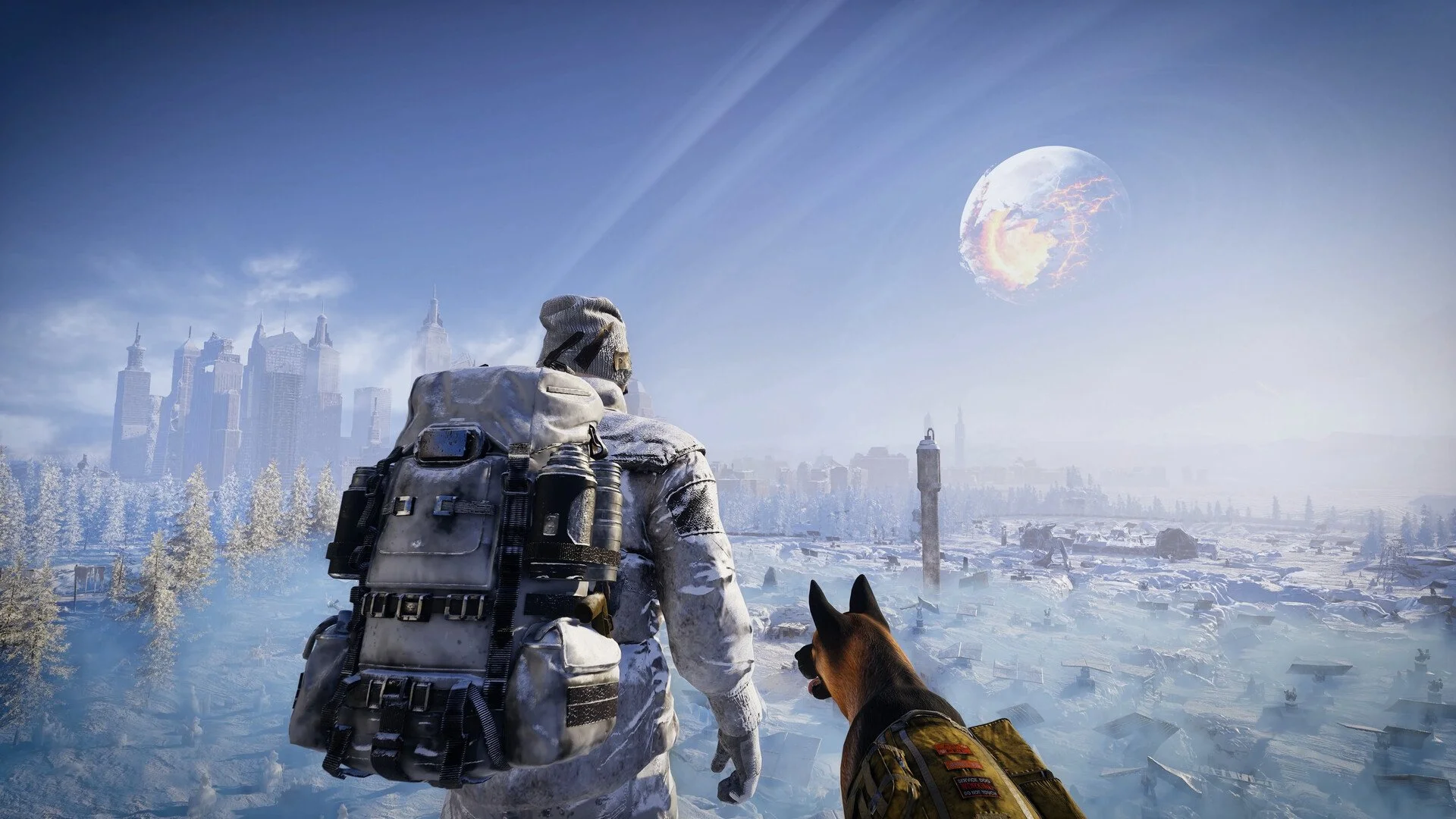
Permafrost gets much easier once you stop treating every problem as something that needs more resources. The real advantage comes from reducing wasted travel, carrying items that solve multiple problems at once, using settlements as part of your survival network, and making sure a death costs you as little as possible.
Jump To Section:
Best Permafrost Tips
Don't Overbuild Your First Base
Plan Around the Cold
Make Every Trip Worth It
Make Death Less Expensive
Use Food for More Than Hunger
Prepare Before Exploring
Don't Ignore Skills and Effects
Best Permafrost Tips and Tricks
The biggest Permafrost tip is to optimize for time rather than simply hoarding more materials. A survivor with three storage boxes full of Wood can still be in a bad position if their base is a day's walk from the next quest, their food does nothing for warmth, and all of their important loot disappears with one death.
Build small early: Your first shelter does not need to become your permanent base
Use settlements: They are free warmth and useful travel anchors
Carry multi-purpose supplies: Food, fire materials, healing, and tools should solve several problems at once
Protect against death: Store valuables before dangerous trips
Combine objectives: Hunt, loot, gather, and complete quests on the same route whenever possible
Treat Your First Base Like a Cache, Not Your Forever Home
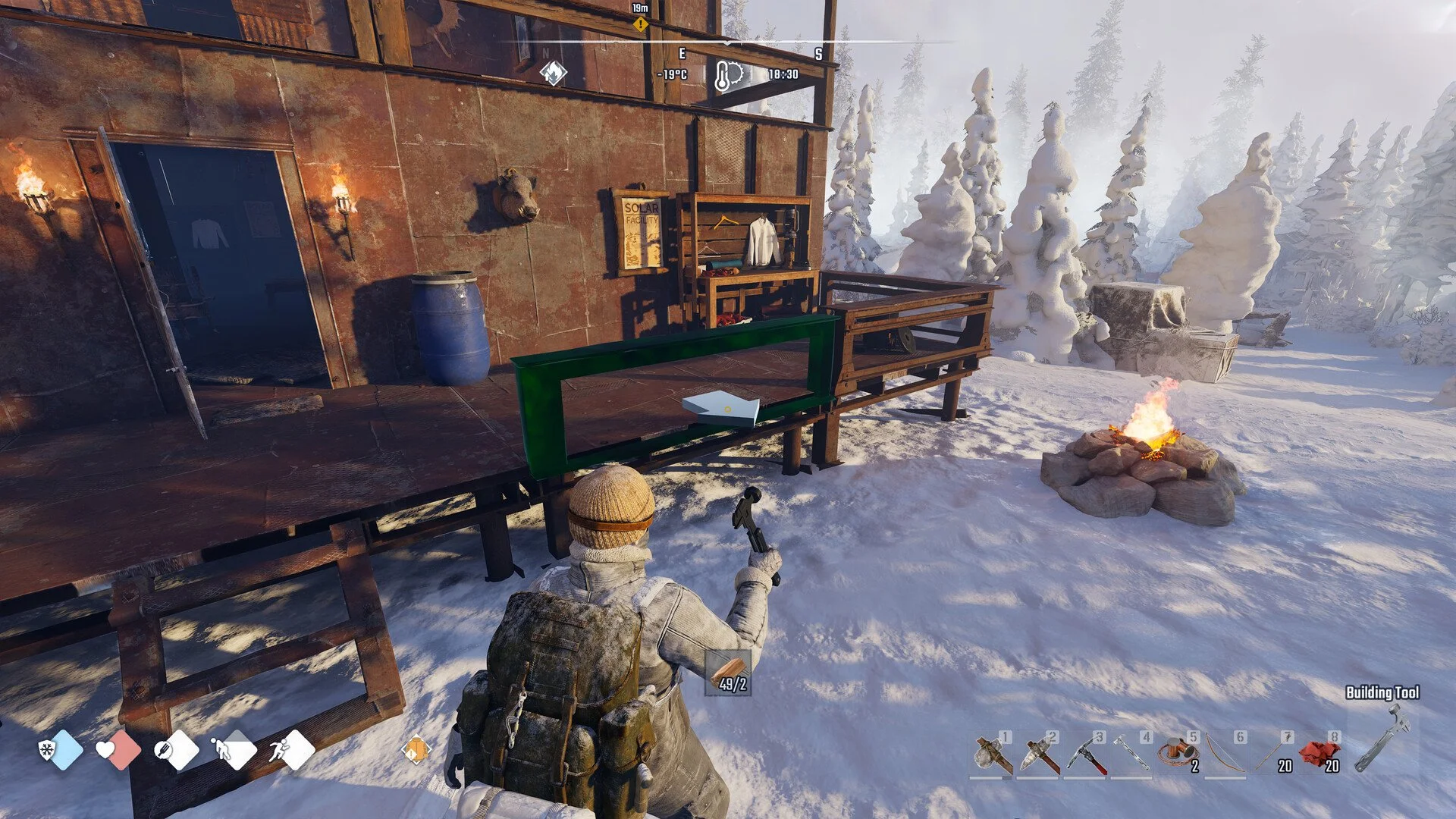
One of the easiest ways to create unnecessary work is spending your opening hours building a large base beside the starting area.
The game quickly sends you farther across the map, while your workbenches, storage, and supplies remain wherever you built them. A beautiful early base can therefore become something you constantly have to run back to rather than something that helps you.
Build only what you need at first: enough shelter to sleep, basic storage, and whatever crafting infrastructure is currently useful. House Camp is a much stronger place to consider expanding around once you reach it because it sits farther into the route the game actually sends you through.
This also changes how you should think about building materials. Early Wood and Stone are abundant. Carrying hundreds more than you currently need often costs inventory space and time that could have gone toward discovering better recipes, equipment, or locations.
Cold Is Really a Route-Planning Mechanic
Body Warmth looks like a normal survival meter, but it also determines where you can safely travel, how long you can remain outside, and whether you can even sleep when you finally stop.
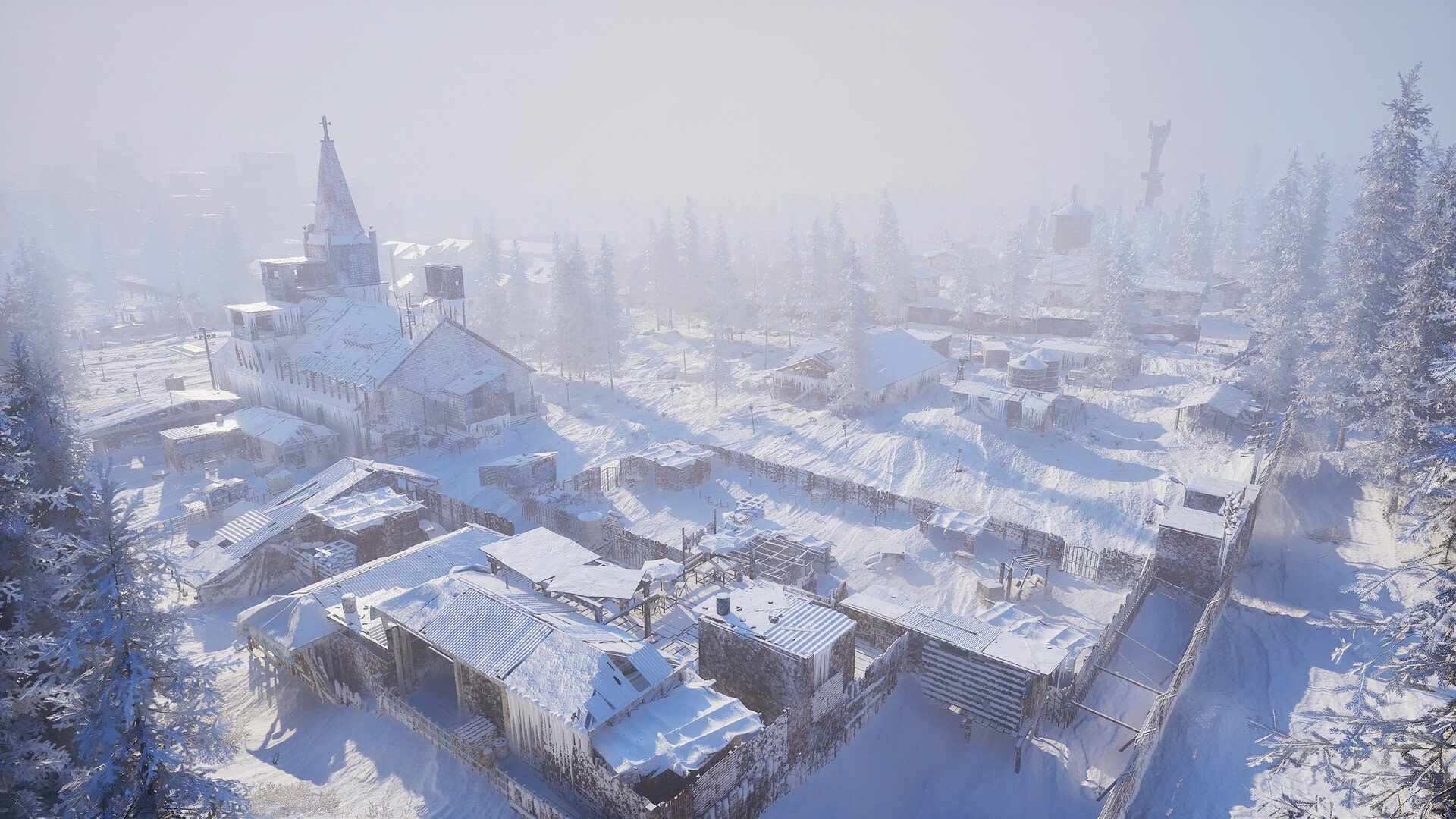
That means you should plan journeys around sources of heat rather than waiting for your warmth meter to become a crisis. Towns and populated settlements can function as free warming stations, while campfires give you temporary safety when your route takes you into the wilderness.
The red-lit towers around settlements are particularly useful navigation markers during storms or poor visibility. If you lose your bearings in a blizzard, finding one can be more valuable than continuing toward a quest marker while your Body Warmth keeps falling.
Leaving a settlement: Know where your next heat source is
Entering a Cold Zone: Watch how quickly Body Warmth falls before committing deeper
Traveling late: Keep enough materials for an emergency fire
Lost in bad weather: Look for the red lights above settlements
Also remember that going to bed is not an automatic escape from the cold. If your sleeping area is not warm enough, you cannot simply sleep through the problem.
Make Every Long Trip Pay You More Than Once
Travel is one of Permafrost's hidden resource costs. Early fast travel is limited, and returning to an inconvenient base can consume enough time that a single-purpose farming trip becomes inefficient even if you found exactly what you wanted.
Before leaving town, look at everything along the route. If the next quest passes through an area with animals, abandoned buildings, ore, or another objective, do those during the same trip instead of making four separate journeys later.
A good expedition should ideally move several things forward at once:
Story: Advance toward the next settlement or quest
Food: Hunt animals along the route
Materials: Gather resources you are actually short on
Loot: Search abandoned locations you pass
Exploration: Identify shelters and safe areas for future trips
This becomes even more important deeper into the map, where safe places are less common. Finding a usable shelter or settlement is not just exploration progress; it expands how far you can safely operate on every future trip.
Build Around What You Keep When You Die
Death in Permafrost does not wipe everything. Equipped gear and items on your hotbar remain with you, while the contents of your backpack are dropped and have to be recovered.
You can use that rule to reduce the cost of dangerous exploration.
Store valuable materials and items you do not actually need before entering a dangerous area. Keep the tools, weapon, healing items, and survival supplies you expect to use readily accessible rather than carrying your entire stockpile around.
A Wooden Chest therefore has value much earlier than its storage capacity alone suggests. It is effectively insurance against turning a normal death into a corpse-recovery mission involving half of everything you own.
Before a particularly risky journey, ask yourself one question: if I died five minutes from now, what in my backpack would I hate having to recover? Leave those items behind unless the trip actually requires them.
Upgrade Tools When They Unlock Something New
Better tools are not just faster versions of your current equipment. Tool tiers determine which resources you can gather, so an upgrade can open an entirely new material chain.
For example, the early transition from Stone to Flint matters because the Flint Pickaxe can harvest materials your starting pickaxe cannot. That means tool upgrades can be more valuable than spending those same resources on additional building pieces.
I would therefore prioritize a new tool tier when it gates a resource you currently need. Upgrading every tool immediately just because you can is less important if the current version already handles everything you are gathering.
This keeps your crafting investment focused on actual bottlenecks instead of upgrading equipment simply because another tier appeared in the menu.
The Best Food Solves More Than Hunger
Hunger is only one reason to care about food. Cooked meals and warm drinks can also support Body Warmth, Health, or Energy, which makes them much more efficient inventory slots than supplies that solve only one problem.
That makes hunting particularly valuable. Animals provide meat for food while also giving materials such as Hide, Animal Fat, and Bones that feed other crafting systems.
A single hunting trip can therefore solve tomorrow's meals and contribute toward future equipment at the same time.
Cook meat instead of casually eating it raw. Raw food can cause Parasites, while cooking gives you stronger food options without creating another condition you then have to cure.
Warm drinks are also more valuable when saved for a bad situation. Drinking one while already safe in a settlement wastes the emergency Body Warmth recovery you may desperately want later that night.
A Bow Is a Survival Tool Before It Is a Combat Build
Getting a bow early gives you more than a weapon. It lets you hunt without having to chase animals into dangerous terrain and gives you a ranged answer when wildlife or human enemies are between you and your destination.
Carry a healthy supply of arrows whenever you make a long trip. Wooden Arrows can sometimes be recovered after firing, so the effective cost of using the bow is lower than the number of arrows you initially leave with.
The important part is avoiding the opposite mistake: leaving with only a handful because you expect to hunt one animal. Permafrost can turn a food run into a fight very quickly, especially once hostile wildlife and human enemies start appearing.
Pack for the Worst Part of the Route, Not the First Five Minutes
A lot of dangerous trips begin in warm, familiar territory. That can make it tempting to leave with almost nothing because everything looks safe when you step outside.
Your loadout should instead reflect the most isolated part of the journey.
For a serious expedition, make room for food, a ranged weapon and ammunition, healing, your best useful tools, and enough Wood and Stone to establish emergency heat if the route leaves populated areas.
A splint also deserves more respect than it gets early. Rope unlocks both the Crude Bow and the Makeshift Splint, and carrying a way to deal with a broken leg can prevent a survivable accident from becoming a slow death because you can no longer move effectively.
Read Debuffs Instead of Guessing What Is Wrong
Permafrost tracks a large number of status effects, and several problems escalate through increasingly dangerous stages rather than immediately killing you.
Cold is a good example. A falling Body Warmth meter can turn into severe cold effects and eventually Hypothermia if you keep pushing forward.
The useful part is that you do not have to memorize every status in the game. Open your inventory and hover over an active debuff to see information about what it is and how to deal with it.
That should become your first reaction whenever an unfamiliar icon appears. Treating every status with random food or medication wastes supplies and can leave the real cause untouched.
Do Not Let Energy Become Tomorrow's Problem
Energy is easier to ignore than Health or Body Warmth because it usually does not create an immediate emergency. The penalty arrives later, when exhaustion starts affecting a journey you are already committed to.
Sleep whenever you have a safe, warm opportunity instead of waiting until your Energy is nearly gone.
This is another reason settlements matter so much. A town is not only somewhere to complete quests; it can be a reset point where you warm up, sleep, reorganize your backpack, store unnecessary loot, and leave prepared for the next section of the map.
Let Your Routine Level More Than One Skill
Permafrost rewards repeating actions through its skill system, which means the activities you choose to do regularly shape your character over time.
The mistake is creating a routine so narrow that only one part of your character develops. Hunting, gathering, crafting, cooking, fighting, repairing, and exploration all have value beyond the immediate item they produce.
This also matters if you plan to complete the achievement list. Jack of All Trades requires five different skills at Level 10 or higher, while Master of One requires Level 20 in a single skill.
A good long-term approach is therefore to have one activity you specialize in while still deliberately rotating through enough systems that the rest of your character does not stagnate.
Story Progress Is One of Your Best Upgrades
It is easy to delay quests in a survival game because building and gathering always give you something else to do, but Permafrost puts several useful upgrades behind continued story progress.
Larger backpacks are generally obtained as you move through the main story, new settlements improve your position on the map, additional recipes become available, and eventually your fast-travel options improve.
That means spending hours trying to optimize your starting area can actually delay some of the upgrades that would make all of those survival tasks easier.
If you feel like you are constantly fighting inventory space, travel distance, or missing recipes, the solution may not be another hour of farming. It may simply be time to move the story forward.
Think in Terms of Survival Loops
The most useful way to play Permafrost is to make each system support another one. Hunt for food and crafting materials. Explore while completing quests. Use settlements to recover instead of consuming your own resources. Store valuables before dangerous trips. Upgrade tools when they open materials you actually need.
Once those loops start overlapping, you spend much less time fixing problems you accidentally created for yourself. That is when Permafrost shifts from constantly reacting to Hunger, cold, inventory limits, and travel distance into actually planning where you want to go next.