All Will Fall Tips and Tricks: Complete Survival Guide
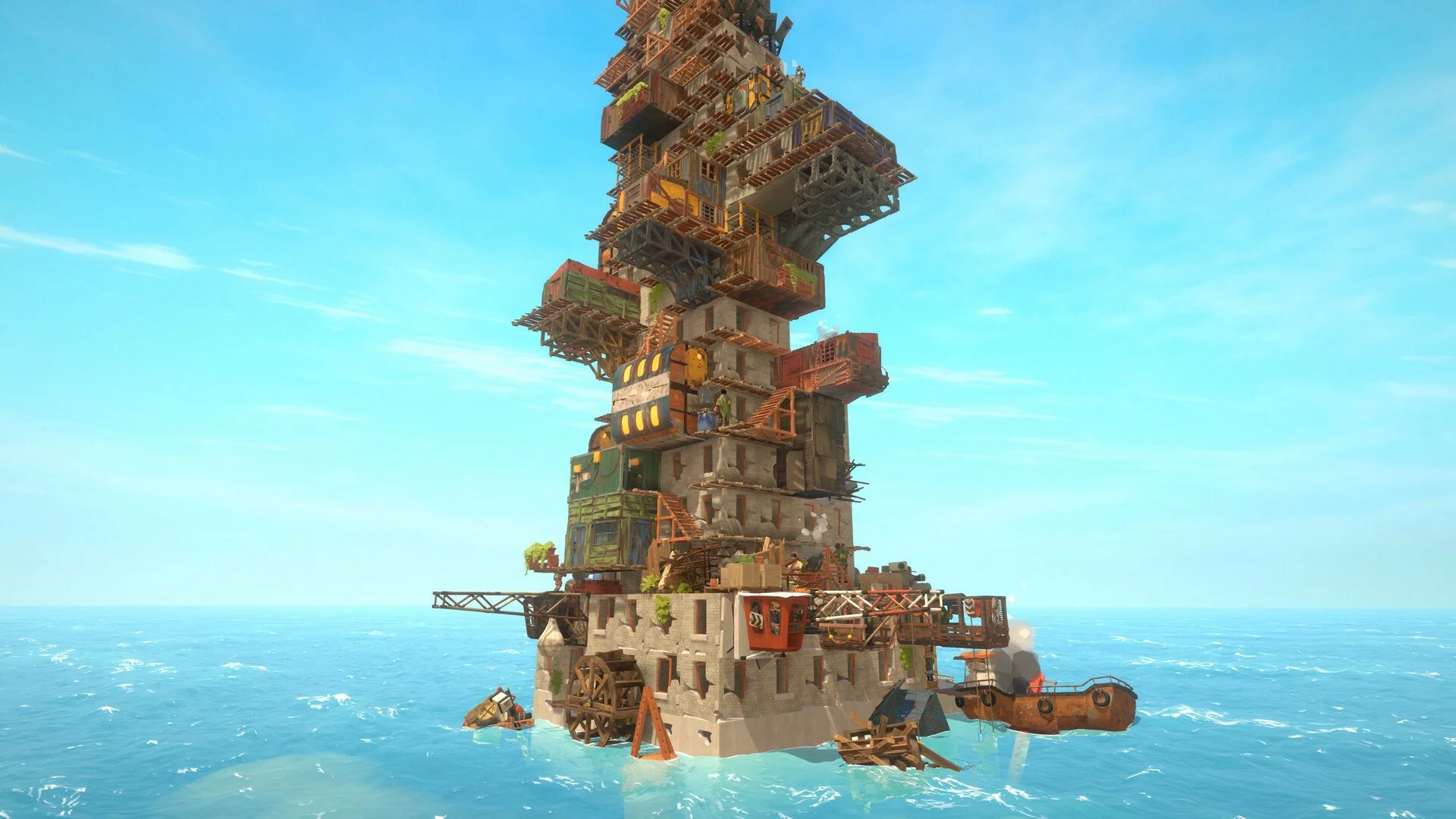
All Will Fall starts off feeling manageable, then suddenly everything stacks at once. Structure stress, slow production, morale drops, missed tide windows… it rarely comes from 1 big mistake. It is usually a few small ones slipping at the same time until the whole colony feels harder to control.
The runs that stay stable are not rushing anything. They are the ones where every system keeps up just enough to avoid that chain reaction.
The Core Rule That Keeps Your Colony Stable
The biggest key in All Will Fall is staying balanced across structure, resources, morale, and Influence instead of overcommitting to one system.
That balance is what stops problems from stacking.
It is very easy to lean too hard into something early. Building taller feels good. Pushing production feels good. Unlocking new tech feels good. But the game constantly checks everything at once, and when one part falls behind, something else usually follows right after.
You start noticing it in small ways first. Movement slows down a bit. Morale dips slightly. Production feels just a little off. Then suddenly multiple systems are underperforming at the same time. That is the point where runs start feeling out of control.
Staying balanced prevents that spiral before it even starts.
Build Wide First Before You Even Think About Going Tall
Going vertical too early is one of the easiest ways to lose a run.
The physics system does not forgive weak foundations. Weight needs to be supported properly, and when it is not, stress builds quietly until something gives. The worst part is that it does not always look dangerous right away. Everything can seem fine until a collapse hits out of nowhere.
Building outward first gives you space to distribute weight and actually support future layers. It also makes your layout easier to manage, which matters more than it seems early on.
When a structure starts feeling risky or unstable, it usually traces back to expanding upward before the base could handle it.
Layout Matters More Than Raw Production
Having enough buildings does not mean your colony is efficient.
Colonists physically move everything. That means your layout controls how fast your economy actually runs. Long carry distances quietly slow everything down, even if your numbers look fine on paper.
You really start noticing this when production says it is working, but resources are still arriving late. That is almost always travel time eating your output.
Keeping things tight makes a huge difference
Place Fishing Piers close to food storage so trips stay short
Keep water production near water storage so cycles stay consistent
Put material production next to construction storage to speed up builds
Short routes mean more actual work gets done. Over time, that adds up way more than just building extra production.
The Tide Controls More Than You Think
The tide cycle is not just background. It actively changes what you can do.
Low tide opens up resources for a limited time. High tide brings trade ships and shifts what areas are usable. Missing those windows slows your progress more than it feels in the moment.
The biggest gains usually come from reacting fast when low tide hits. Assign workers immediately and grab what you can before it disappears again. Waiting even a little bit can mean losing that entire opportunity.
It also affects where you build. Ignoring the tide can lead to placing important structures in areas that regularly flood, which becomes a long term headache.
Morale Can Shut Down Your Entire Colony
Morale problems escalate fast.
Each faction tracks its own happiness, and when one drops too low, it can trigger strikes. When that happens, parts of your colony just stop working. That spreads quickly, especially if it hits something important like food or materials.
It often hits out of nowhere. Everything feels stable, then suddenly nothing is getting done.
Keeping morale stable is more about consistency than spikes
Keep food, water, shelter, and entertainment covered at all times
Build faction specific buildings early so no group falls behind
Watch trends instead of reacting late to a full drop
Once morale tanks, fixing it takes longer than maintaining it ever would have.
Influence Is Your Emergency Control
Influence does not look flashy, but it is one of the most important resources you have.
You gain it slowly, and you do not get it back quickly. That makes every use matter. It is easy to spend it on small rewards early, then suddenly not have enough when a serious event shows up.
That is when it hurts.
The best way to treat Influence is like a safety net
Use it to prevent major damage during events
Spend it on faction leaders and long term upgrades
Avoid burning it on things you can recover naturally
Saving it feels boring until the moment it saves your run.
Storm Warnings Are Your Chance To Fix Everything
Storms are one of the few times the game clearly tells you what is coming.
That warning is not just flavor. It is your window to prepare. Once the storm hits, you are stuck reacting instead of fixing.
This is where runs either stabilize or fall apart.
Before a storm hits, slow down and check everything
Reinforce weak structures, especially lower levels carrying weight
Avoid starting heavy builds that add stress right before impact
Save manually so you are not locked into a bad outcome
Storm damage sticks. You cannot just undo it afterward, so preparation is everything here.
Research Should Solve Problems Right Now
Unlocking new tech feels good, but it can slow you down if you are not ready to use it.
Research works best when it directly improves your current situation. Unlocking something you cannot support yet just creates more pressure without solving anything.
The strongest choices usually line up with what your colony is struggling with
Improve food production early so growth stays stable
Unlock materials that support your next expansion
Hold off on exploration until your base can handle it
Research is not about getting ahead for later. It is about staying functional right now.
Small Problems Are What Actually Kill Runs
Most failures do not come from 1 big mistake. They build over time.
A small stress issue turns into a collapse. A minor morale drop turns into a strike. A slight delay in resources turns into a shortage. The game gives you warning signs, but only if you pay attention early.
You can usually feel when something is off. Maybe things are just a bit slower, or a system is not quite keeping up. That is the moment to fix it, not later.
A few habits help catch issues early
Check stress overlays regularly
Watch how faction happiness is trending, not just current values
Fix inefficiencies as soon as they show up
Stopping problems early is always easier than recovering once they spread.
Read More → All Will Fall Achievements Guide
Final Blurb
All Will Fall rewards control over time, not speed.
The strongest colonies are not the biggest or fastest. They are the ones that stay stable while everything else is trying to push them off balance. When a run starts struggling, it is rarely 1 big failure. It is usually small issues stacking until they finally show.
Keep your systems balanced, fix problems early, and the game becomes much more manageable.
FAQ
What is the most important tip in All Will Fall?
Staying balanced across structure, resources, morale, and Influence matters more than pushing any one system too far ahead.
Why does my colony suddenly fall behind?
Small inefficiencies stack over time. Movement delays, morale drops, and weak structure support all build into bigger problems.
How do I prevent buildings from collapsing?
Build outward before going vertical and regularly check the stress overlay to catch weak points early.
What should I use Influence for?
Save it for major events, faction leaders, and permanent upgrades instead of spending it on basic resources.
Why is production slow even when I have enough buildings?
Long carry distances and poor layout reduce efficiency, even if your production numbers look correct.