WoW Forever Beginner Guide for New Players
WoW Forever might actually be one of the best opportunities to start World of Warcraft from zero, because you don't need years of WoW knowledge to understand what you're doing on day one. My advice is to learn the things that prevent unnecessary frustration while leaving the world itself mostly unexplained. Pick a class that makes you want to log back in, read the quests, get comfortable with a few important controls, and let the complicated stuff become relevant when you actually reach it. You can optimize WoW forever afterward; you only get one first trip through Azeroth.
Jump To Section:
What to Do First
How to Pick Your First Class
Set Up Keybinds Early
How to Approach Leveling
Your First Dungeon
Find a Good Guild
When Should You Use Guides?
When to Start Worrying About Raids
Your First Few Hours Should Be Almost Completely Unoptimized
Don't start WoW Forever Global launch with a checklist of everything you need to accomplish before Level 60. Create the character you actually want to play, enter the world, follow the quests around you, and allow yourself to get distracted. If an NPC sends you somewhere interesting, go see what's there. If another player needs help killing something, help them. If you find a town and spend ten minutes figuring out what everyone inside does, you haven't fallen behind.
This is especially important in Forever because the leveling world isn't supposed to be disposable content you rush through before the “real game.” Blizzard is building Forever around an expanded Level 1–60 Azeroth, so exploration, questing, dungeons, and the people you encounter on the way are part of the actual game rather than an obstacle between character creation and endgame.
A good beginner mindset is to optimize friction, not discovery. Fix something when it's making the game annoying or confusing. You don't need to research every system before you've even encountered it.
Pick a Class You Want to Play Tomorrow, Not the Current Meta
Your first class matters, but not because you need to identify the mathematically strongest option before creating a character. You're going to spend far more time looking at its abilities, learning its combat rhythm, and developing the character than you will benefiting from a theoretical difference on a tier list.
If two or three classes sound equally interesting, then it makes sense to research them. Think first about the basic experience you want: melee or ranged combat, magic or weapons, pets or no pets, and whether healing or tanking interests you. That narrows the decision much more naturally than beginning with whatever happens to be considered strongest during launch balance.
And if you're still completely undecided, there's nothing wrong with creating several characters and playing their early levels before committing. One piece of advice already circulating among experienced WoW players is to take potential classes to roughly Level 10 and see which one you actually enjoy controlling.
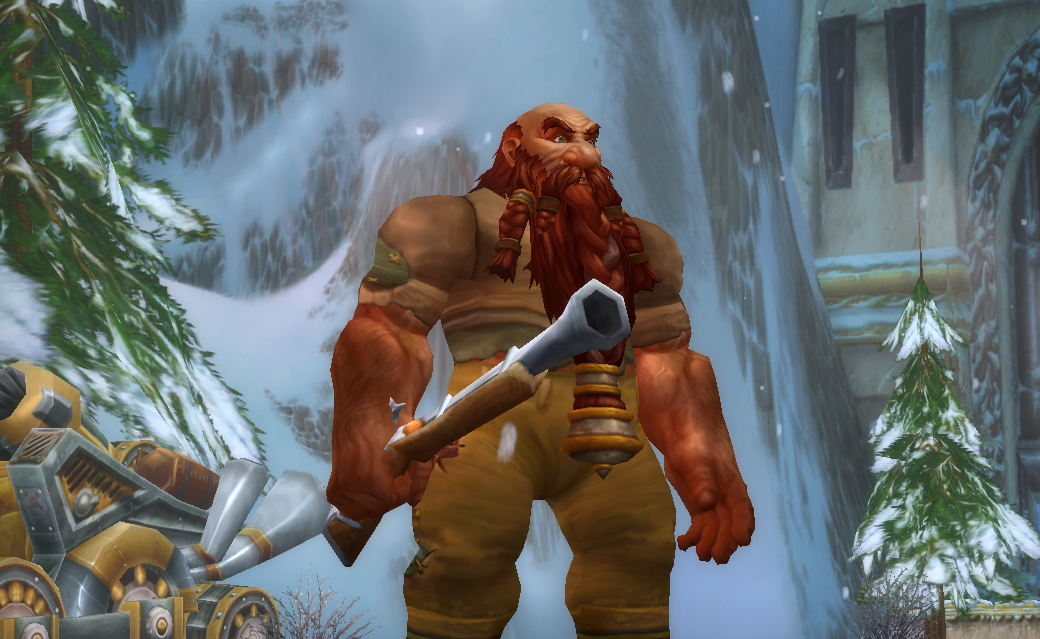
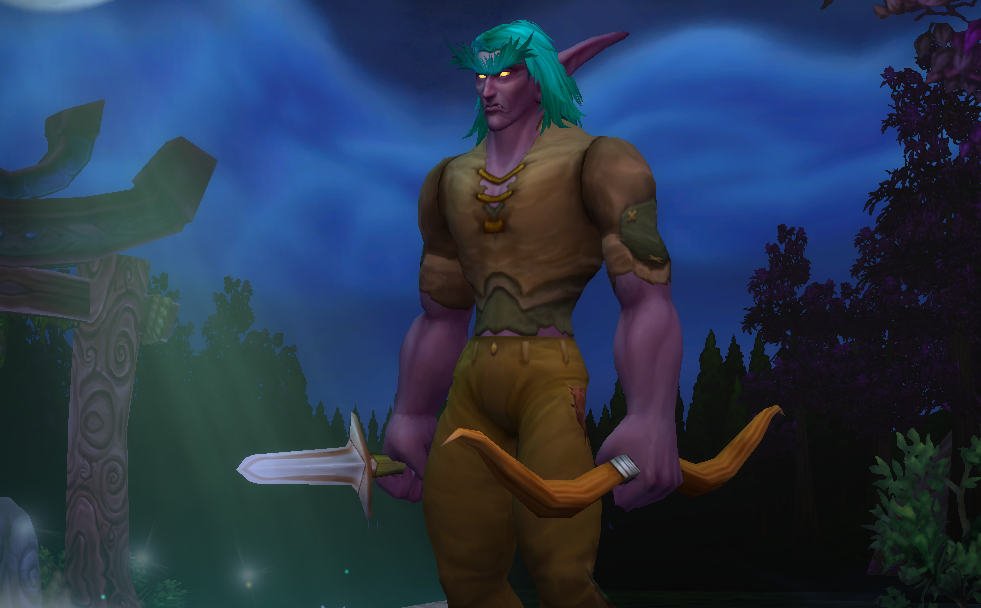
Race also limits which classes are available. Our WoW Forever classes and races guide shows every combination at Global launch, including Skyborne and the new options such as Undead Paladin and Dwarf Shaman.
Learn Keybinds Before You Learn a Perfect Rotation
This is the boring beginner tip that will probably help you more than reading an advanced build guide on your first day. Start putting abilities you use constantly on keys you can comfortably reach instead of clicking everything on your action bar.
Don't respond by immediately creating 30 complicated bindings. Begin with the spell or attack you're constantly pressing. Put it somewhere comfortable, use it until the key becomes automatic, and gradually add abilities around it. You're building muscle memory rather than trying to memorize an MMO control scheme all at once.
That also makes learning your class substantially easier. When you stop thinking “where is that ability on my screen?” you can start thinking about when you're supposed to use it.
Don't Turn Leveling Into a Race Unless You Actually Want a Race
One of the easiest ways to make your first WoW experience worse is constantly comparing your progress with someone who already knows where every quest is, which enemies to skip, and exactly how to move through each zone. Experienced players are going to reach milestones faster than you. That doesn't mean you're doing anything wrong.
I would read the quests on a first character rather than immediately following an optimized route. WoW's zones make considerably more sense when you understand why you're moving between locations, and Forever is specifically adding new stories and content to that journey. You'll naturally become faster as the game teaches you its rhythms.
There's also no requirement that every session produces maximum XP. Exploring somewhere you weren't sent, messing around with another player, returning to town, or spending time figuring out your class are all normal parts of leveling.
If you eventually decide that quest text isn't interesting to you and efficiency is more fun, optimize away. The important part is making that decision after you've experienced the alternative rather than skipping it because a leveling guide told you there was a faster route.
Tell Your Dungeon Group You're New
You do not need to memorize every dungeon before you're allowed to enter it. For an early dungeon, I'd actually recommend the opposite: join the group, tell them you're new, and ask whether there's anything important you need to know.
That one sentence solves a surprising number of problems. It tells experienced players why you might hesitate, gives them an opportunity to explain an unusual boss mechanic before the pull, and makes feedback feel considerably less hostile because everyone understands the situation.
Community responses to new Forever players have been overwhelmingly along these lines: early dungeon groups are generally not expecting a first-time player to arrive with encyclopedic knowledge. Players are much more likely to become frustrated when someone doesn't understand a mechanic, stays silent when asked, and repeatedly causes the same problem.
Tanking is the one role where I'd prepare slightly more before entering unfamiliar group content. The tank often controls where the group moves and what gets pulled, so not knowing the dungeon can be more noticeable there. Even then, “first time tanking this, point me the right way” is considerably more useful than pretending you already know it.
A Good Guild Is More Useful Than Knowing Everything Yourself
WoW becomes a very different game once you have people you recognize. For a completely new Forever player, I'd prioritize finding a friendly guild over finding an elite one.
A beginner-friendly guild gives you somewhere to ask questions that aren't worth opening a guide for, people to run dungeons with, experienced players who can explain strange systems, and eventually a path toward larger group content without needing to introduce yourself to strangers every time.
Don't evaluate a guild entirely by progression. A group that's slightly less optimized but actually talks, helps people, and runs content together can improve your experience far more than joining a technically stronger guild where you barely know anyone.
Use Guides to Answer Problems You Actually Have
I wouldn't tell a beginner to avoid guides completely. I'd change when you use them.
Instead of reading a giant list of everything you need to know before installing WoW Forever, play until the game gives you a question. Can't decide between two classes? Compare them. A profession suddenly looks interesting? Learn how it works. Can't find something for a quest? Look it up. A dungeon boss keeps killing the group? Read the mechanic.
That approach keeps guides useful without letting them play the game for you. It also gives everything you read context. “This talent improves this ability” means a lot more after you've actually been using the ability for ten levels.
Professions are one area where looking something up somewhat earlier can make sense because they involve longer-term choices and material collection. Even there, I wouldn't worry about identifying the single perfect profession combination before you've learned what you enjoy doing.
Save the Serious Preparation for Raids
Raids are where I'd change the beginner philosophy. By the time you're preparing for organized endgame content, spending a few minutes learning encounters beforehand is reasonable because your mistakes can affect a much larger group and the mechanics are naturally more demanding.
But that's a problem for future you. You don't need a raid rotation, perfect talent setup, optimized profession plan, gear checklist, or encyclopedic knowledge of boss mechanics while you're learning how your first character works.
Learn in layers. First learn to move and fight comfortably. Then understand your class. Then get comfortable grouping with other players. Dungeons teach you how your role works around a party. By the time raids actually become relevant, you'll have enough context for a raid guide to make sense instead of looking like several pages of terminology you've never encountered.
That's ultimately the beginner path I'd use for the WoW Forever Global launch: choose something that looks fun, learn a few controls properly, take the leveling world seriously, tell people when you're new, and look things up when curiosity or difficulty gives you a reason. You don't need to become an experienced WoW player before you start playing WoW.