WoW Forever Survival Hunter Build Guide
Survival Hunter in WoW Forever is no longer just the Hunter tree you dip into for utility. The spec has been rebuilt around fighting in melee, using traps while combat is already happening, and turning Mongoose Bite opportunities into some of your most important damage windows. That makes Survival feel less like a ranged Hunter standing slightly closer to the enemy and more like a melee character that happens to bring a pet, traps, and the rest of Hunter's utility with it.
Jump To Section:
Best Survival Hunter Build
How Survival Hunter Works
Mongoose Bite and Expose Prey
How to Use Traps
Survival Hunter Rotation
Talent Priorities
Best Survival Hunter Pets
Survival Hunter Stats
Race Considerations
Dungeons and Group Play
Build Survival Hunter Around Melee Uptime, Mongoose Bite, and Traps
The strongest identity for Survival in WoW Forever is a dedicated melee Hunter. The tree has been reworked with additional melee-focused talents, improvements to Mongoose Bite, bonuses to melee combat stats, and Aspect of the Beast gaining additional melee Attack Power. Traps can also be placed during combat now, which is a major change for a spec that wants them to be part of its normal damage plan instead of something prepared before the pull.
I would build around three priorities: stay on the target, capitalize on Mongoose Bite when Expose Prey gives you the opportunity, and keep useful trap effects contributing instead of treating traps like an occasional gimmick.
Primary playstyle — Melee DPS
Main proc interaction — Expose Prey into Mongoose Bite
Core sustained attacks — Strider Kick and Raptor Strike
Important maintenance — Hunter's Mark and Immolation Trap
Recommended Aspect — Aspect of the Beast
Extra advantage — Hunter pet and trap utility
That combination is what makes Survival interesting to me. You're not abandoning everything that makes Hunter a Hunter just because you're standing in melee range. You're layering Hunter utility on top of a completely different damage profile.
Survival Hunter Is About Maintaining Pressure Instead of Creating Distance
Marksmanship wants room between itself and the target. Survival is almost the opposite. Once you've committed to the fight, you want enough melee uptime to keep your core attacks flowing while your pet and traps continue contributing around you.
Aspect of the Beast fits naturally into that plan because WoW Forever adds melee Attack Power to the Aspect on top of its older functionality. Survival's tree also contains new support for melee hit, critical strikes, parry, and other close-range bonuses.
The important consequence is that movement has a different purpose here than it does on a ranged Hunter. You're not constantly trying to increase the gap. You're trying to avoid losing contact with the enemy unnecessarily while still respecting mechanics, controlling enemies with traps, and reacting to whatever the fight gives you.
I think that's the cleanest mental shift for anyone coming from another Hunter spec: Survival isn't the fallback plan for when an enemy reaches you. Melee range is where your build is supposed to work.
Mongoose Bite Becomes a Proc You Actually Build Around
Mongoose Bite is one of the abilities that best demonstrates how different Survival is in Forever. The redesigned tree contains several talents specifically supporting Mongoose Bite, including effects that improve its damage and make it easier to use.
In the damage flow you've provided, Expose Prey is the key signal. When the proc is available, Mongoose Bite becomes the attack you want to capitalize on rather than continuing through the rest of your buttons as if nothing happened.
No Expose Prey proc — Continue maintaining your normal melee pressure.
Expose Prey activates — Prioritize Mongoose Bite.
Trap needs refreshing — Restore Immolation Trap rather than letting it disappear.
Nothing higher priority available — Continue with Strider Kick and Raptor Strike.
That's more useful than memorizing Survival as six abilities written in a fixed order. The rotation has a reaction point built into it, and noticing that reaction point is part of playing the spec correctly.
In-Combat Traps Are One of Survival's Biggest WoW Forever Changes
One of the most important Hunter-wide changes is that traps can now be used during combat. You no longer need to leave combat through something like Feign Death before setting another trap.
For Survival, that matters more than it might for another Hunter build because traps are part of the actual melee gameplay rather than merely preparation before combat begins.
Immolation Trap should be maintained against the target as part of your normal pressure. Instead of thinking “I used my trap before the fight, now I'm done,” you can treat the trap as something that needs to remain relevant throughout the encounter.
This also gives Survival a distinctive rhythm. You're attacking directly in melee, reacting to Mongoose Bite opportunities, and periodically stepping through the trap part of your toolkit without having to break the flow of combat first.
To me, that's much more interesting than treating traps as a separate Hunter minigame. Forever makes them part of what your character can actively do while the fight is already underway.
The Survival Hunter Rotation Is Better as a Priority List
I wouldn't play Survival by trying to repeat the exact same six-button sequence indefinitely. Its proc interaction and trap maintenance make a priority system easier to use.
1. Use Aspect of the Beast.
2. Keep Hunter's Mark on your target.
3. Use Mongoose Bite when Expose Prey gives you the opportunity.
4. Maintain Immolation Trap.
5. Use Strider Kick.
6. Use Raptor Strike when higher-priority actions aren't taking precedence.
The reason I prefer explaining it this way is that Survival has several things competing for your attention. Hunter's Mark is maintenance. Immolation Trap is maintenance. Expose Prey creates a reaction. Strider Kick and Raptor Strike give you the attacks that keep the rotation moving when those other conditions aren't demanding something first.
That distinction makes the rotation easier to remember because every button has a job instead of simply having a number next to it.
Prioritize the Parts of the Survival Tree That Enable the Melee Build
I would not invent an exact point-by-point talent order here without a complete confirmed level 30 tree path. What is clear from the Survival redesign is what the build is trying to support.
The new tree contains melee-focused options including Expose Prey, Predator's Edge, Resourcefulness, Strider Kick, Survival Tactics, Survivalist's Discipline, and Lacerating Strikes. The tree itself also provides access to additional melee-oriented bonuses and Mongoose Bite support.
Prioritize talents that:
Improve your melee attacks.
Strengthen or enable Mongoose Bite interactions.
Support Expose Prey.
Improve trap usage and utility.
Increase useful melee combat stats.
Give Survival its new melee-specific abilities.
That's enough to build around the spec's actual identity without pretending an unverified exact talent sequence is settled. Once you know you're building a melee Survival Hunter rather than a ranged Hunter with a few Survival points, the tree becomes much easier to evaluate.
Your Pet Still Matters Even Though Survival Is Doing the Fighting
Moving Survival into melee does not remove pets from the equation. You're simply no longer standing behind one while it handles most of the physical contact for you.
For pure personal damage, Cats are the pet option identified in the material you've provided. Owls have a different purpose because Screech can provide value to the wider raid instead of focusing entirely on your own damage.
That creates a useful distinction:
Want more personal DPS — Cat.
Want raid utility through Screech — Owl.
I like that choice more than simply calling one pet universally best. Your own damage and the group's overall value aren't always the same optimization problem.
Survival Wants Stats That Actually Support a Melee Hunter
One of the biggest mistakes I'd avoid is assuming a Survival Hunter should automatically gear exactly like Marksmanship simply because both characters have “Hunter” above their name.
Forever's Survival redesign specifically introduces additional support for melee hit, melee critical strikes, parry, and other melee-focused effects. That should change how you evaluate the character compared with a build whose entire job is maximizing ranged weapon damage.
I would prioritize gear based on whether it meaningfully improves the melee damage profile you're actually playing rather than blindly inheriting another Hunter spec's stat assumptions.
There's also an important limitation here: the sources you've provided establish Survival's melee-stat direction, but they don't provide a complete numerical stat priority I would trust enough to fabricate into a ranked list. Until those values are confirmed, I'd rather give you the correct gearing principle than invent a precise ordering that only looks authoritative.
Weapon Synergy Matters More for Survival Than It Does for a Ranged Hunter
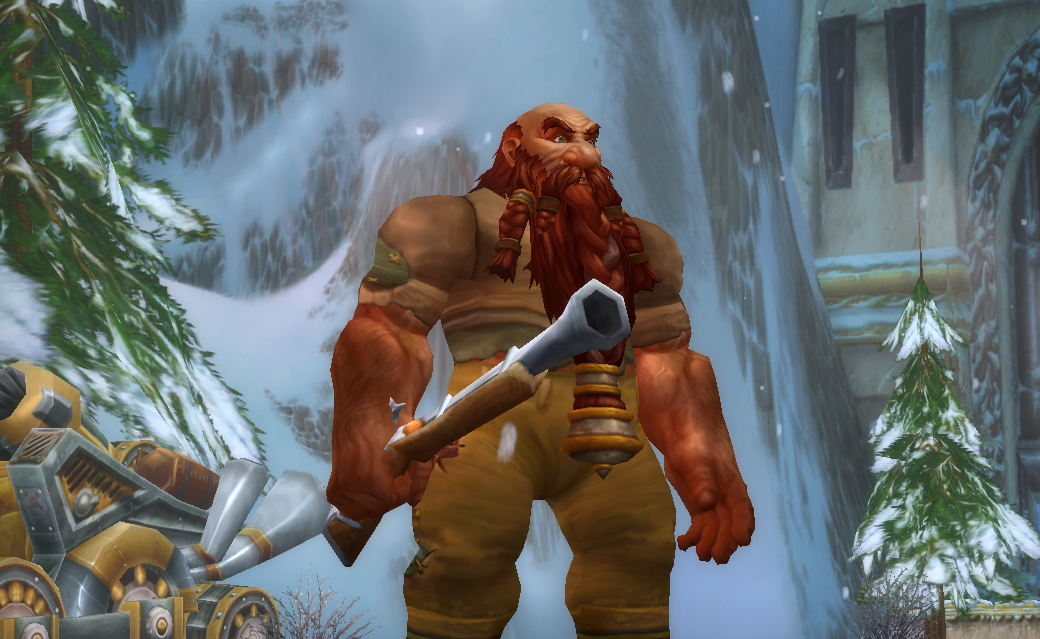
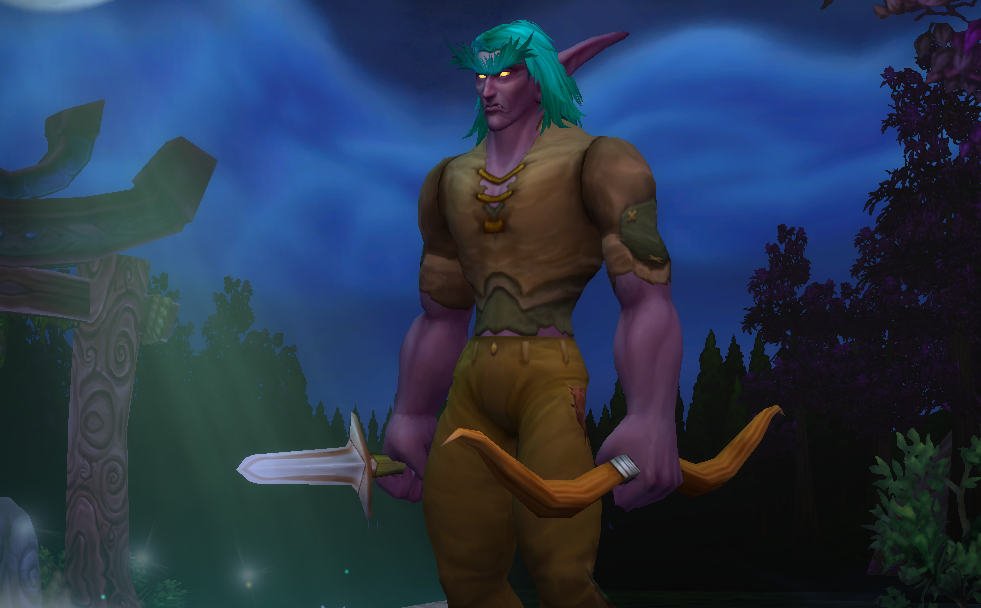
Alliance Survival Hunters can be Human, Dwarf, Night Elf, or High Order Skyborne. Horde can be Orc, Tauren, Troll, or Windshaper Skyborne.
The melee redesign makes some racial bonuses worth looking at differently than you would on Marksmanship. Human has Sword Specialization, Dwarf has Mace Specialization, and Orc has Axe Specialization, giving each of those races a natural connection to particular melee weapon choices.
Other racials solve different problems. Night Elf brings Elune's Light and additional movement/defensive utility, Tauren has War Stomp and Endurance, while Troll combines Berserking with regeneration and Beast Slaying.
I wouldn't let that turn into “you must play X race for Survival,” though. I'd use weapon synergy and racial utility to break a tie between characters you already want rather than letting one racial dictate the entire character.
Survival Plays More Like a Melee DPS Slot in Dungeons
The biggest practical difference in a dungeon is where you're standing. Marksmanship wants room behind the group. Survival wants access to the enemy itself.
That means your concerns start looking more like other melee DPS classes: maintain uptime when it's safe, avoid mechanics that punish standing close, react to your damage procs, and keep your trap contribution active while the group is fighting.
Hunter's Mark should remain on the important target, and the Expose Prey to Mongoose Bite interaction remains one of the priority moments to watch for. Immolation Trap gives you another source of sustained pressure, while Strider Kick and Raptor Strike keep the melee rotation moving between those higher-priority events.
Your pet adds another layer that most melee characters don't have. Whether you use it primarily for personal damage or bring utility such as Screech, it's contributing separately while you're already attacking from the front line.
That's ultimately why Survival stands out to me in WoW Forever. It isn't simply “Hunter, but melee.” The spec combines direct melee attacks, proc-based Mongoose Bite gameplay, active in-combat traps, and a permanent pet into something none of the traditional melee classes really replicate.
For more class, leveling, dungeon, race, and system coverage, the WoW Forever guides hub has our growing collection of Forever guides.
Looking for a different Hunter build?
WoW Forever Beast Mastery Hunter Build Guide
WoW Forever Marksmanship Hunter Build Guide