AION 2 Ranger Macro Guide
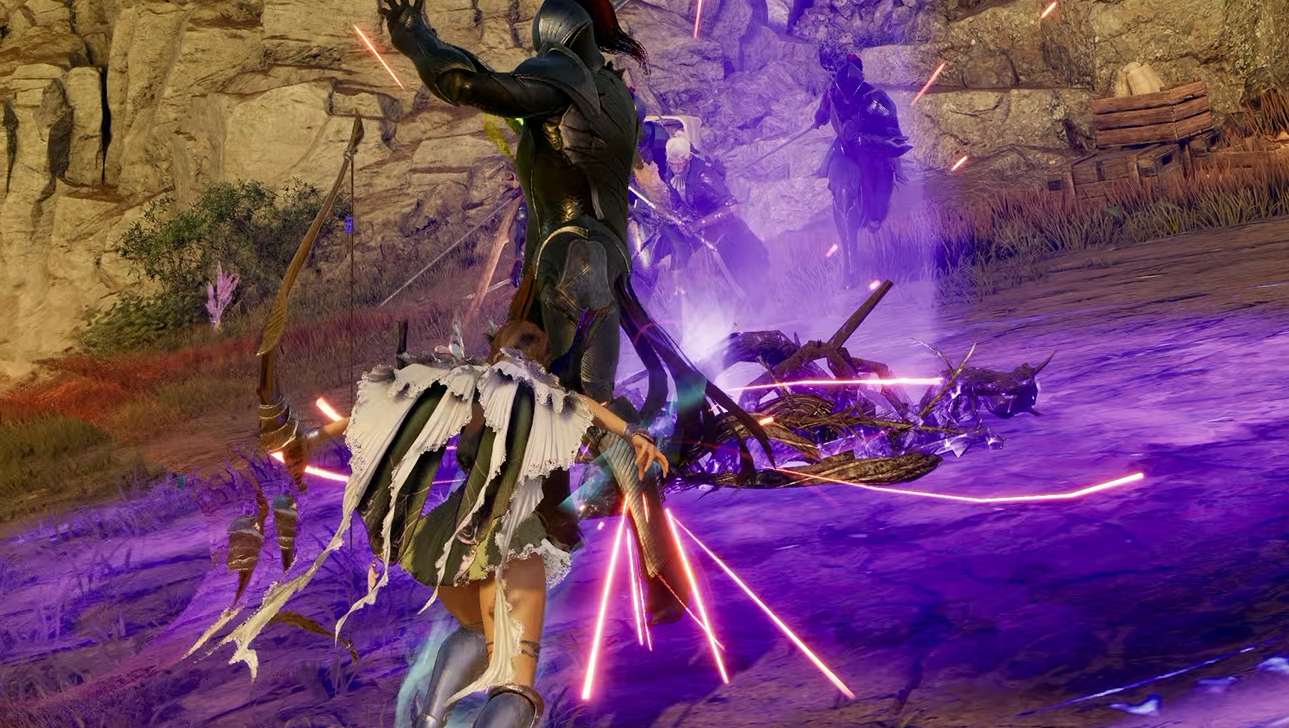
Ranger macros in AION 2 work best when you stop trying to automate the entire rotation. The class has too many prerequisite chains, conditional attacks, cooldown resets, and charged skills for one giant sequence to handle well, so the better setup is to let the macro manage repeatable damage and maintenance skills while you keep the attacks that require timing under manual control.
Jump To Section:
Best Ranger Macro Setup
How Ranger Macros Actually Work
Early Game Ranger Macro
Skills to Keep Manual
Why Your Macro Keeps Stopping
Best Macro Delay
How the Macro Changes Later
Best Ranger Macro Setup in AION 2
The best Ranger macro is a priority setup rather than a complete automated rotation. Put your repeatable buff and damage chains into the macro, use Marking Shot as an early-game filler, include your MP-maintaining basic attack when necessary, and leave Dead Shot and conditional skills such as Snare Shot outside the macro.
A practical early setup follows this general order:
Start: Your maintenance buffs and summon chain
Then: Gale Arrow
Filler: Marking Shot
Main damage: Your normal damage chains and DoT skills
Repeatable attack: Tremor Shot
MP support: Snipe/basic attack if your control setup needs it
Keep manual: Dead Shot, Snare Shot, Bursting Arrow setup, and other situational skills
The exact skill order can change with your build, but the principle should stay the same: automate skills you are happy to use whenever they become available and manually control anything whose value depends on timing, a condition, or a reset.
If you are still choosing Ranger skills and Specialties, our AION 2 Ranger build guide covers the broader PvE, PvP, and leveling setup.
Ranger Macros Are Not Normal MMO Rotation Macros
The easiest mistake is treating the AION 2 macro system like a list of individual buttons that the game simply presses from top to bottom.
Skill chains matter. When you add a chain to the macro, you are working with that chain rather than only the first skill displayed in it. Prerequisite attacks therefore need to be arranged so the skill that enables a follow-up can actually happen before the follow-up is checked.
This is particularly important on Ranger because so much of the class is built around attacks becoming available after another skill, a status effect, or a cooldown interaction.
A better way to think about the macro is as a priority queue. It handles the attacks that are safe to use repeatedly, while you intervene whenever the class presents a more valuable decision.
Early Game Ranger Macros Work Without Cooldown Reduction
You do not need an endgame Cooldown Reduction setup before Ranger macros become useful.
Early on, Marking Shot can actually make the macro more stable because your important chains spend more time on cooldown. It gives the macro something useful to fire during those gaps instead of reaching the end of its available attacks with nothing ready.
That makes Marking Shot more valuable in an early macro than its raw damage would suggest. It is filling dead space rather than competing with your strongest attacks.
You can even place it more than once across your macro structure when your cooldowns are still long. Once your build reaches much higher Cooldown Reduction and your main attacks become available more frequently, that filler becomes less necessary.
This is why copying an endgame Ranger macro onto a fresh character can feel terrible even when the macro itself is technically correct. The later build has fewer empty cooldown windows to fill.
Do Not Put Dead Shot in the Macro
Dead Shot is one of the clearest examples of a skill that should remain manual.
It is a high-value charged attack, and its cooldown can come back quickly through Ranger's other interactions. If you bury it inside the macro, the game decides when to fire it instead of letting you react immediately when it resets.
Watch Dead Shot separately and press it yourself whenever the correct opening appears. A manual skill input takes priority over the macro, so you can interrupt the macro's normal sequence, fire Dead Shot, and then continue.
Snare Shot is another skill better handled manually because it enables Bursting Arrow when the target meets the required Root or Slow condition. That is a conditional damage window, not something the macro should blindly attempt whenever it reaches that entry.
Macro: Repetitive chains, filler attacks, maintenance skills
Manual: Charged attacks, conditional attacks, important cooldown resets, situational burst
The Ranger macro is therefore doing the boring part of the rotation for you, not playing the class for you.
Build MP Recovery Into the Macro Before You Chase More Damage
A macro that looks good for 20 seconds but eventually runs out of MP is not a good sustained Ranger setup.
Your basic Snipe-style attack can contribute MP recovery while also interacting with Dead Shot's cooldown through its Specialty setup. Including it at the right point gives your macro a way to recover resources during downtime instead of repeatedly consuming MP until the sequence falls apart.
That creates an important distinction between dummy burst and actual sustained damage. Removing every low-damage filler may make the opening rotation look stronger, but it can reduce total damage across a longer boss fight if you eventually have to stop casting.
Action Combat and Target Mode Need Slightly Different Macros
Your control mode can change what needs to be inside the macro.
In Action Combat, you can bind the macro around your normal mouse input so that your basic attack continues firing naturally between macro skills. In that setup, manually adding the same basic attack into the macro can become unnecessary.
If you use the target-lock style controls and have the macro on a separate keyboard bind, adding the basic attack to the sequence makes more sense because it is not automatically being woven in the same way.
This is why two Ranger players can use nearly identical builds but still need slightly different macro layouts. The skill setup is only half of the equation; your input method also determines what the macro has to handle.
Why Your Ranger Macro Stops After One or Two Skills
If your early Ranger macro constantly stops after the first few attacks, the problem is usually not that Ranger is incompatible with macros.
The more common issue is putting conditional or prerequisite skills into the sequence without giving their enabling chain enough room to resolve. Ranger has several attacks that cannot simply be fired whenever the macro reaches them.
There is also a practical reliability issue with fast macro execution. Some players duplicate particularly important chain entries so that if the first pass fails to complete as expected, the sequence gets another opportunity rather than immediately moving past it.
You do not need to duplicate every skill. Reserve that for a chain that repeatedly gets skipped during actual testing.
Stops on a prerequisite: Put the enabling skill or chain before the follow-up
Skips an important chain: Test repeating that chain entry
Everything is on cooldown: Add an early-game filler such as Marking Shot
Runs out of MP: Add your resource-restoring basic attack back into the loop
Misses important burst: Remove that skill and control it manually
Best Ranger Macro Delay
The fastest possible delay is not automatically the best macro delay.
Ranger is sensitive to latency because so many attacks are being fired rapidly, and an extremely short delay can become unreliable if your connection cannot consistently keep up with the macro's input timing.
A community-tested starting point is around 10 ms on a low and stable connection, while players closer to 80-100 ms ping may need something closer to 50 ms.
I would treat those numbers as starting points rather than rules. Use the lowest delay that consistently completes your chains without skipping skills.
If you do not know your current latency, our AION 2 ping guide shows where to check it.
Test the Macro for Failure, Not Just DPS
The best way to tune a Ranger macro is to watch what goes wrong on a training target rather than staring only at the final damage number.
Run the sequence for several minutes and watch for four things: whether an important chain gets skipped, whether MP continually trends downward, whether Dead Shot sits ready too long, and whether the macro spends noticeable time with nothing useful available.
Each problem points to a different adjustment.
If a chain gets skipped, change its placement or repeat it. If MP collapses, restore more basic attacks. If Dead Shot sits unused, you need to react to it manually more aggressively. If the macro hits long empty periods, an early-game filler such as Marking Shot becomes more valuable.
This is a much better way to tune the macro than copying someone else's exact sequence because the correct answer changes with ping, Cooldown Reduction, Specialties, and your current skill levels.
Your Ranger Macro Should Get Smaller as Your Build Gets Faster
An early Ranger macro usually needs more filler because your important skills spend longer unavailable. As you gain Cooldown Reduction and improve the rest of the build, those gaps shrink.
That means the macro should evolve rather than simply getting longer.
Marking Shot is the easiest example. Early on, it prevents downtime and is perfectly reasonable to keep in the sequence. With heavy Cooldown Reduction, your stronger chains return quickly enough that repeatedly reaching Marking Shot can start taking time away from better attacks.
The same logic applies to duplicated entries. Something that improves consistency on a low-level character may become unnecessary once faster cooldowns make another attack available before the macro ever reaches the duplicate.
The end goal is not to fit as many Ranger skills as possible into one button. It is to create the shortest macro that reliably handles the actions you no longer want to think about, leaving your attention free for Dead Shot resets, movement, positioning, defensive decisions, and conditional burst windows.
Where to Set Up the Ranger Macro
Open Settings, go to Key Settings under General, then scroll to the Macro controls and assign the macro to a comfortable key.
After that, open the in-game Macro menu and add your skill chains in the order you want them evaluated.
For Action Combat, a mouse bind can make the system feel much more natural because you can continue aiming and moving while the macro handles your repeatable attacks. Target-mode players may prefer keeping it on a keyboard key and manually weaving other skills around it.
Whichever control style you use, keep this as an in-game macro setup. You do not need third-party macro software to make Ranger's built-in system work.