Graveyard Keeper 2 Town Gratitude Guide
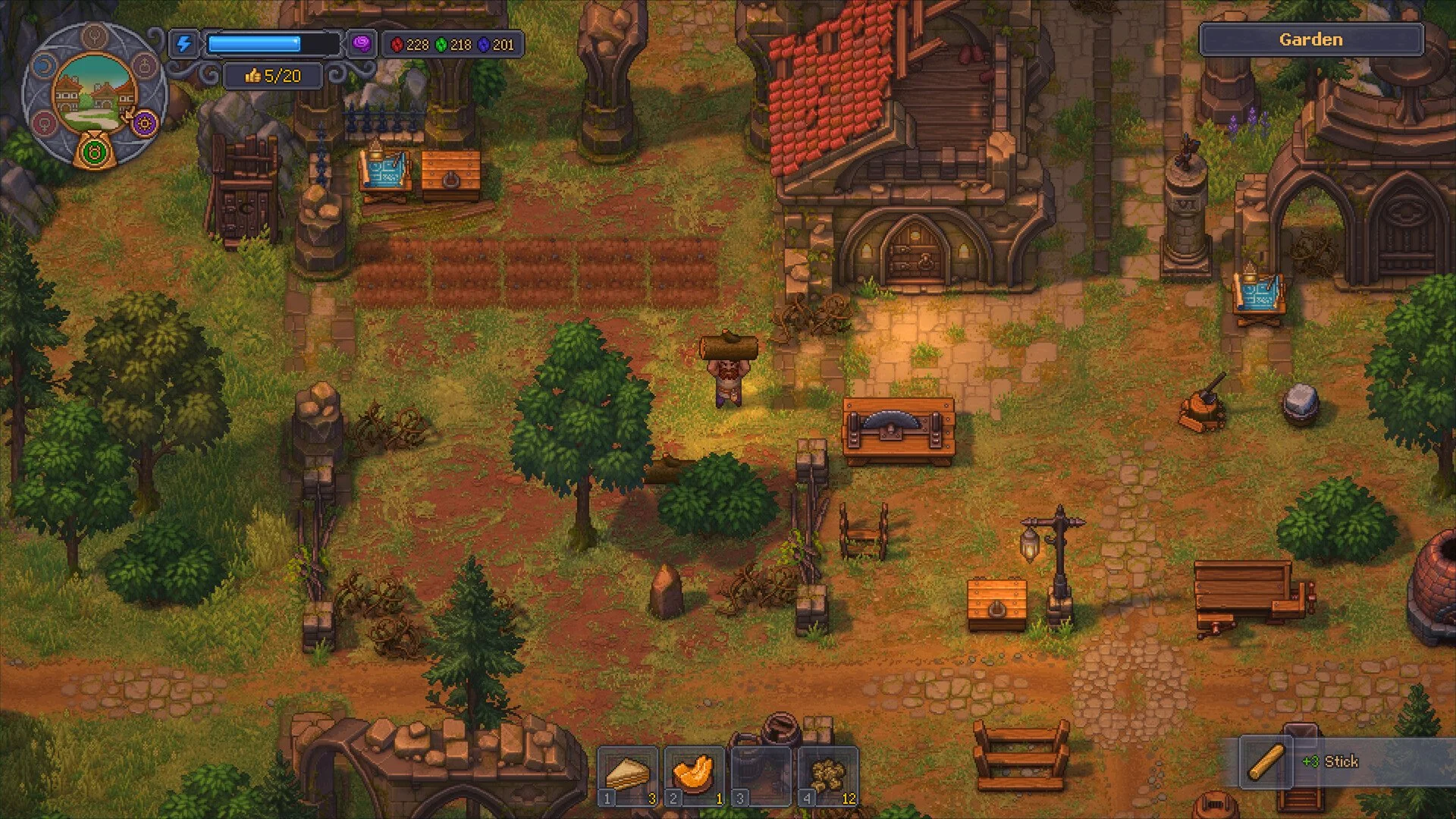
Town Gratitude in Graveyard Keeper 2 is a weekly resource tied directly to the village economy and your sermons. You build it by doing useful things for the town, particularly selling specific goods marked with the golden thumbs-up icon, then spend it through the church to support stronger sermons and Faith production. The practical goal is to arrive at Wrath day with your Gratitude ready rather than scrambling to fill the meter at the last minute, and there are several ways to reach that point without relying on quests forever.
Jump To Section:
What Town Gratitude Does
How to Get Town Gratitude
Best Crops for Gratitude
Burial Certificates and Other Sources
How Weekly Limits Work
The Herm Buy-and-Sell Method
Best Weekly Gratitude Routine
What Does Town Gratitude Do in Graveyard Keeper 2?
Town Gratitude is the golden thumbs-up resource shown near your Energy bar. Its main progression value comes through the church: Gratitude is consumed when you preach, and having more available supports a larger congregation, more Faith, and additional sermon income when your Temple quality can support it.
That puts Gratitude one step before Faith in the progression chain. You earn Gratitude through town activity, bring it into your sermon, and turn that weekly preparation into Faith that can then be spent on Inspirations and other progression.
For the full church side of that system, including Wrath day, Temple quality, prayers, and how congregation limits work, see my Graveyard Keeper 2 Faith guide.
How to Get Town Gratitude
Town Gratitude comes from several different activities rather than one dedicated farming station. The easiest sources to build around are burial certificates, crops and other goods sold to Herm, fish fillets, quest rewards, and items in trader menus marked with the golden thumbs-up icon.
That icon is worth paying attention to. If an item has the thumbs-up marker when you're trading, selling it contributes toward the Town Gratitude counter.
Quests can also hand out chunks of Gratitude and are useful while progressing naturally, but I wouldn't build a permanent weekly routine around them. Quest rewards are finite. Crops, burials, fish, and trading can all be repeated.
Repeatable Gratitude Sources
Sell burial certificates.
Sell eligible crops and other thumbs-up goods to Herm.
Sell river fish fillets.
Use repeatable trading to finish whatever remains before your sermon.
Use quest Gratitude as bonus progress rather than the foundation of the loop.
Crops Are One of the Best Long-Term Gratitude Sources
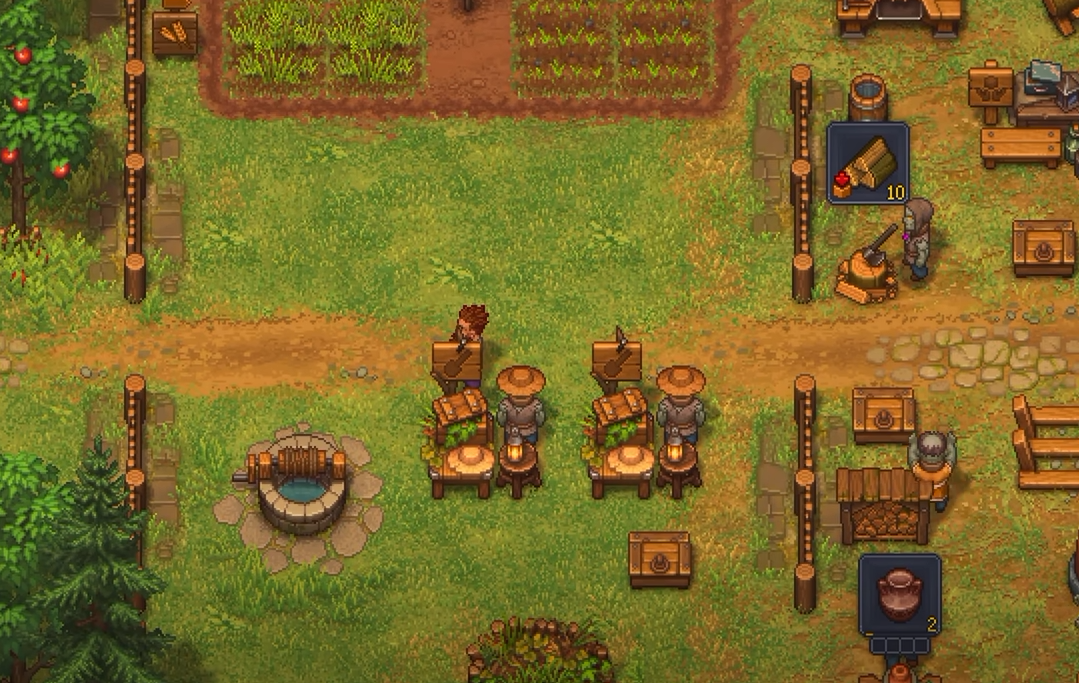
Community testing shows that wheat, carrots, beets, cabbages, and onions can all generate Gratitude when sold. The important part is that each crop type has its own weekly contribution limit, so growing several different crops is much better than producing one gigantic pile of carrots and expecting the meter to keep moving.
For wheat, carrots, beets, cabbages, and onions, roughly 15 items add up to one Gratitude point. Selling 30 of one eligible vegetable type reaches about 2 Gratitude, after which that crop stops contributing for the week.
That gives farming a natural diversification incentive. Thirty wheat and 30 carrots are much more useful for Gratitude than 60 wheat, because the second batch of wheat would already be beyond that source's weekly Gratitude cap.
Community players have reported that a crop-heavy setup can provide most of a full weekly meter by itself. If you're already maintaining a farm for food, money, or ingredients, this is probably the cleanest long-term method because the same harvest can serve several systems at once.
If you're using a very food-heavy or farming-heavy routine and have the pre-order bonus, the Graveyard Keeper 2 Sauna can also make your meals restore 10% more Energy while Steamed Up is active. It doesn't generate Gratitude itself, but it can make the work around a large farming day a little cheaper.
Burial Certificates Are Reliable, but They Won't Carry the Whole Week
Burial Certificates are one of the first obvious ways the game teaches you to gain Gratitude. Selling them contributes to the meter, but community testing found that this source stops contributing after about 5 Gratitude in a week.
That makes certificates excellent baseline progress rather than a complete solution. If you're already processing corpses and handling burials, take the Gratitude you're getting naturally and then fill the remaining points through crops, fish, trading, or quest rewards.
River fish fillets can help fill smaller gaps as well. Community testing puts them at roughly 0.4 Gratitude each, with 5 fillets reaching about 2 Gratitude before that source hits its weekly limit.
That opens up some useful combinations. Two fillets plus a few vegetables can finish a partially filled Gratitude point without requiring you to dump another full stack of crops into Herm.
Gratitude Sources Have Their Own Weekly Limits
The most useful way to plan Town Gratitude is by source rather than by total inventory. Different categories stop contributing after you've sold enough of them during that week.
Community testing found a 2-Gratitude weekly limit for each eligible vegetable type, about 2 from river fish fillets, and about 5 from burial certificates. Because these limits are separate, spreading your sales across multiple categories lets you keep gaining Gratitude after one source has stopped paying it.
Partial progress is also tracked during the week. If you sell a handful of one crop and then another eligible good later, those fractions can combine toward the next full point. However, leftover fractional progress is lost when the new weekly cycle begins.
The community testing places that reset at the beginning of Pride day. So if you have a nearly completed Gratitude point late in the week, finish it before the reset rather than assuming that partial bar will carry over.
You Can Buy Goods From Herm and Sell Them Back for Gratitude
There is also a shortcut for weeks where your own production falls short. Herm sells some of the same goods that award Gratitude when sold back to him, which means you can buy eligible stock and immediately resell it.
You lose money on the spread, but you gain the Gratitude attached to the resale. One documented demo route bought 5 fillets plus 30 each of wheat, carrots, beets, and cabbages, then sold everything straight back to Herm. That test reached the full 10 Gratitude in one trip.
The exact money figures from that test should not be treated as universal launch prices. The documented save spent 7 silver 53 copper and received 5 silver 27 copper back, for a 2 silver 26 copper trading loss, but trader prices can move with reputation and discounts.
I'd use this as a fallback rather than your default economy. If you're already producing crops, burying bodies, and playing normally, generating Gratitude from things you own is better than paying a trading loss every single week.
Where the method becomes genuinely useful is convenience. If Wrath day arrives and you're sitting at 8 or 9 Gratitude, spending a little money to finish the meter can be better than missing part of that week's sermon potential.
The Best Town Gratitude Routine Is a Weekly Mix
I wouldn't dedicate an entire farm, fishing route, or burial schedule purely to Gratitude unless you need to. The system works better when it piggybacks on things you're already doing.
During the week, process corpses normally and sell the burial certificates. Grow several eligible crops instead of overproducing one type. Use fish or quest rewards when convenient. Then check the Gratitude meter before Wrath day and only use Herm's buy-and-sell method if you're still short.
My Weekly Route
Take the Gratitude that naturally comes from burial certificates.
Sell multiple crop types rather than exceeding one crop's weekly cap.
Use fish or quest rewards to cover awkward gaps.
Check the meter before Wrath day.
Buy and resell thumbs-up goods only if you still need the final points.
Perform the sermon, then start rebuilding Gratitude for next week.
This also avoids wasting goods after a category has already reached its weekly contribution limit. Once one crop has stopped producing Gratitude, either save the rest, sell it because you need money anyway, or switch to another category that can still advance the meter.
The target for most weeks is simple: arrive at sermon day with the Gratitude you intend to spend already prepared. Town Gratitude is much easier to manage when you stop trying to farm all of it from one activity and instead let burials, farming, fishing, quests, and trading each cover part of the weekly requirement.