AION 2 Kisk Summoning Stone Guide
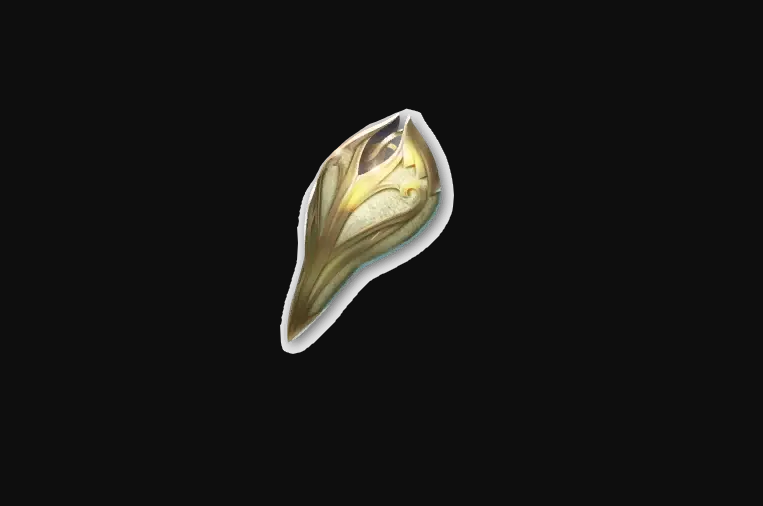
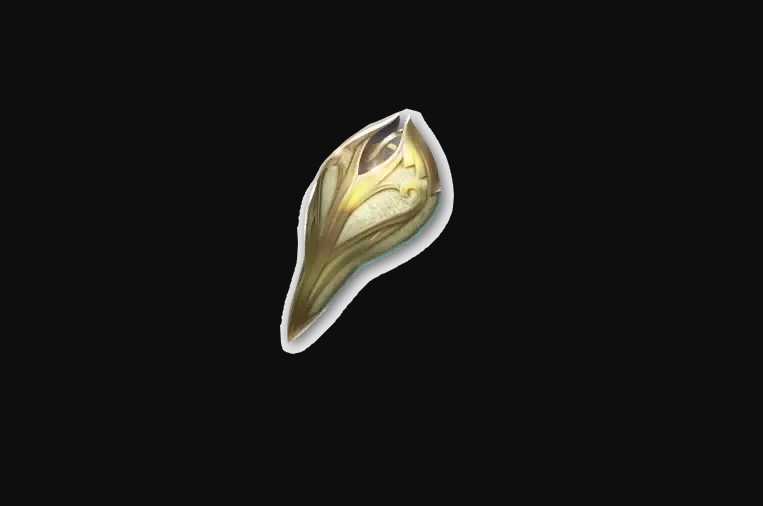
Kisk Summoning Stones let you create a temporary resurrection point in AION 2, which is especially useful in Spacetime Rifts, the Abyss, and other dangerous open-world areas. There are Personal, Party, Force, and Legion versions, with each one determining who can use the Kisk after you place it.
Jump To Section:
What Does a Kisk Summoning Stone Do?
How to Use a Kisk
How to Get Kisk Summoning Stones
Personal vs Party vs Force vs Legion
Using Kisks in Spacetime Rifts
Which Kisk Should You Use?
What Does a Kisk Summoning Stone Do in AION 2?
A Kisk Summoning Stone creates a temporary resurrection point where you place it. If you die while the Kisk is still active, you can revive there rather than being sent back to a distant Kibelisk or removed from the area you were exploring.
This matters most once you begin entering more dangerous areas such as Spacetime Rifts and the Abyss. Both put you in situations where dying can mean a long return trip or losing your position entirely.
Main purpose: Create a temporary resurrection point
Best use: Spacetime Rifts, Abyss content, Field Bosses, and open-world PvP
Consumable: Yes
Kisk placement cooldown: 30 minutes
If you are still working toward the point where Rifts and the Abyss become relevant, our AION 2 leveling guide covers the full Level 1-45 route and the transition into early endgame content.
How to Use a Kisk Summoning Stone
Keep the Kisk Summoning Stone in your inventory, move to the location where you want your fallback point, then use the item to summon the Kisk.
Placement is more important than simply using it as soon as you enter an area. I would put it close enough to your objectives that dying does not create another long run, but far enough away that enemies or opposing players are unlikely to stumble across it immediately.
Kisks can be destroyed, so placing one beside a main road, enemy settlement, or heavily traveled PvP route can defeat the entire point of carrying it.
For a Personal Kisk, only you can use the resurrection point. Larger versions extend that access to the relevant group.
How to Get Kisk Summoning Stones in AION 2
The easiest way to get Kisk Summoning Stones is to buy them from General Goods Merchants. Both factions have access to merchants that sell them, including merchants in Verteron and Altgard.
You can also buy them through the General Shop rather than traveling to a specific NPC.
Personal Kisk: 100,000 Kina
Party Kisk: 300,000 Kina
Force Kisk: 500,000 Kina
Legion Kisk: 500,000 Kina
Some Spacetime Rift quests also reward Kisk Summoning Stones, including Personal, Party, and Legion versions depending on the quest.
There is no crafting recipe for Kisks, so once your quest rewards are gone, buying replacements is the main reliable option.
Personal vs Party vs Force vs Legion Kisk
The four Kisk Summoning Stones all create the same type of fallback resurrection point. The main difference is who is allowed to use it.
Personal Kisk: Only the summoner can use it
Party Kisk: Intended for members of your Party
Force Kisk: Intended for members of your Force
Legion Kisk: Only members of the summoner's Legion can use it
If you are running content with friends, the Party version is usually more sensible than everyone independently placing a Personal Kisk. Our AION 2 how to play with friends guide covers grouping and playing together if you are still setting up your party.
Force and Legion Kisks make more sense for organized larger groups. If you are playing alone, paying 500,000 Kina for access other players will never use is unnecessary.
Why Kisks Are So Useful in Spacetime Rifts
Spacetime Rifts are where I would most strongly recommend carrying a Kisk.
Rifts send you into opposing faction territory, where enemy players, guards, and hostile objectives can quickly kill you. Without a nearby resurrection option, dying can send you back to your own faction's side and cut the run short.
The safest approach is to enter the Rift, travel away from the most obvious entry and travel routes, then place the Kisk somewhere reasonably concealed before moving deeper into hostile territory.
Before entering: Bring at least one Kisk
After entering: Move away from obvious travel routes before placing it
Avoid: Roads, enemy towns, guards, Kibelisks, and obvious PvP hotspots
If you die: Use the Kisk resurrection to stay inside the Rift
Since Rifts revolve around traveling into the opposing faction's territory, it also helps to understand how the two sides are separated. Our AION 2 Elyos vs Asmodian faction guide covers the major faction differences.
Which Kisk Summoning Stone Should You Use?
For solo play, the Personal Kisk is the best value. It costs 100,000 Kina and gives you the resurrection point you need without paying for access that will go unused.
For normal grouped play, use a Party Kisk. Force and Legion Kisks are better reserved for larger coordinated activities where enough people will benefit from the shared resurrection point to justify the higher price.
Solo: Personal Kisk
Small group: Party Kisk
Large organized group: Force Kisk
Legion activity: Legion Kisk
I would also avoid treating a Kisk as a substitute for being properly prepared for higher-level content. Once you start entering tougher Rifts and Abyss activities, increasing your actual character strength becomes just as important as having a safe respawn point. Our AION 2 Combat Power guide covers the major systems that increase your overall strength.
Kisks also cannot be placed in every part of the game, particularly certain instanced or restricted areas. They are best treated as an open-world safety tool for content where a death would otherwise cost you significant travel time or remove you from the area.